The Affordable Housing Crisis in Africa: A Problem We Can No Longer Ignore
Africa is growing. Its cities are expanding at a pace that rivals any region on the planet. By 2050, the United Nations projects that the African continent will be home to more than 2.5 billion people, with a significant portion living in urban centres. Lagos, Nairobi, Accra, Abidjan — these cities are buzzing with ambition, youth, and economic energy. But beneath that energy lies a deeply uncomfortable truth: millions of Africans do not have access to decent, affordable housing.
The numbers are staggering. According to the Centre for Affordable Housing Finance in Africa, the continent faces a housing deficit of over 51 million units. In Ghana alone, estimates put the housing gap at more than 1.8 million units — and that figure grows every year. Families are doubling up in single rooms. Young professionals are spending over 60% of their income on rent in cities like Accra and Kumasi. Low-income earners are being pushed further to the periphery of cities, spending hours commuting to work while living in conditions that fall far short of what any human being deserves.
This is not just a housing problem. It is a human dignity problem. And it demands serious, committed, and innovative responses.
Why Affordable Housing Matters for Africa's Future
Before we talk about solutions, it is worth understanding why affordable housing is so foundational to Africa's broader development goals. Housing is not simply a roof over one's head. It is a foundation for health, education, economic productivity, and social stability.
The Link Between Housing and Economic Growth
When people live in stable, affordable housing, they are more productive at work. Children perform better in school. Families can save money and invest in small businesses. The construction of affordable homes also creates thousands of jobs — from architects and engineers to masons, plumbers, and electricians. In Ghana, the construction sector contributes significantly to GDP, and a deliberate push toward affordable housing development could supercharge that contribution.
Health, Safety, and Social Cohesion
Overcrowded, poorly ventilated housing is a breeding ground for disease. We saw this painfully illustrated during the COVID-19 pandemic, when families in densely packed urban settlements had little ability to isolate or practice basic hygiene. Affordable, well-designed homes with proper sanitation and ventilation are not a luxury — they are a public health necessity. Beyond health, stable housing also reduces crime, strengthens communities, and gives children a sense of safety and belonging that shapes their entire trajectory in life.
What Is Holding Back Affordable Housing Development in Africa?
If the need is so obvious, why hasn't the market responded? The truth is, several interconnected barriers make affordable housing a notoriously difficult challenge across Africa.
High Construction Costs
Building materials in many African countries are expensive, often because they are imported. Cement, steel, and finishing materials can eat up a large portion of development budgets. In Ghana, fluctuating exchange rates and import dependencies have historically driven up construction costs, making it difficult for developers to price units at levels that ordinary families can afford.
Limited Access to Mortgage Finance
In high-income countries, most people buy homes through mortgages. In Africa, the mortgage market is still underdeveloped. Interest rates in Ghana, for example, have historically been high, making long-term borrowing expensive for the average Ghanaian worker. The Ghana Home Loans market has been growing, but penetration remains low compared to the scale of need.
Land Tenure and Bureaucratic Challenges
Securing land in Ghana and across Africa can be a complex process involving multiple stakeholders, traditional authorities, and government agencies. Unclear land titles and lengthy approval processes increase the cost and timeline of housing projects, discouraging investment in affordable segments of the market.
A Market Skewed Toward the Elite
For decades, real estate developers across Africa have focused on the luxury and upper-middle-income segments of the market. These projects offer higher margins and fewer headaches. The result is an abundance of high-end apartments and estates that sit partially empty while the vast majority of Africans — who need decent but modest homes — are left without options.
Ghana's Growing Response to the Housing Crisis
Despite the challenges, Ghana is seeing encouraging signs of progress. Government initiatives, private sector innovation, and growing public awareness are combining to push affordable housing up the national agenda.
Government Policy and National Housing Programmes
The Government of Ghana has, at various points, launched housing programmes aimed at bridging the deficit. The National Housing Policy seeks to create an enabling environment for both public and private investment in housing. Institutions like the Home Finance Company of Ghana (HFC) and the National Housing and Mortgage Fund are working to expand access to mortgage financing for Ghanaians across income brackets.
Technology and Innovation in Construction
Some developers are turning to innovative construction technologies to bring costs down. Pre-fabricated building systems, compressed earth blocks, and modular construction techniques are being explored as ways to build faster and more affordably. These approaches, when combined with thoughtful urban planning, can significantly reduce the cost per unit without compromising quality.
The Role of Private Developers
Perhaps the most critical driver of change will be private developers who are willing to take a long-term view of the market. Companies that understand that Ghana's growing middle class — and the aspirational families below it — represent a massive, underserved market are beginning to step in. The key is offering homes that are genuinely affordable, well-located, and built to last.
Gido Homes Ltd: Building Dreams, One Home at a Time
At Gido Homes Ltd, a proud subsidiary of GIDO Group Ltd, we believe that every Ghanaian family deserves a place they can truly call home. We are not in the business of building houses — we are in the business of building futures.
Our approach to affordable housing is rooted in three core principles: quality, accessibility, and community. We do not believe that affordability should mean compromise. Every home we build is designed with care, constructed with durable materials, and finished to a standard that our homeowners can be proud of — whether they are first-time buyers or growing families looking for more space.
What Makes Gido Homes Different
We understand the Ghanaian market intimately. We know that our clients work hard, save diligently, and dream big. That is why we have structured our offerings to meet people where they are — with flexible payment plans, transparent pricing, and homes that are located in areas with real access to schools, markets, hospitals, and transport links.
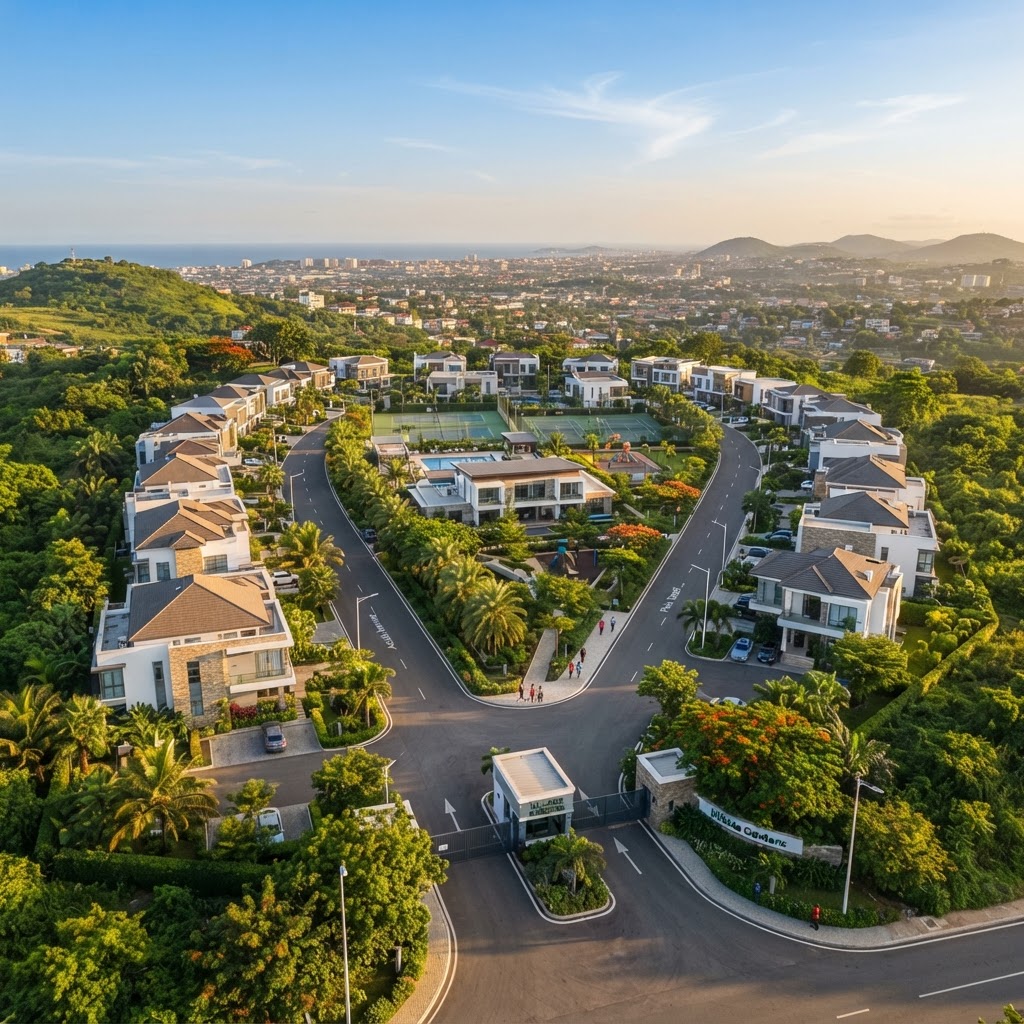
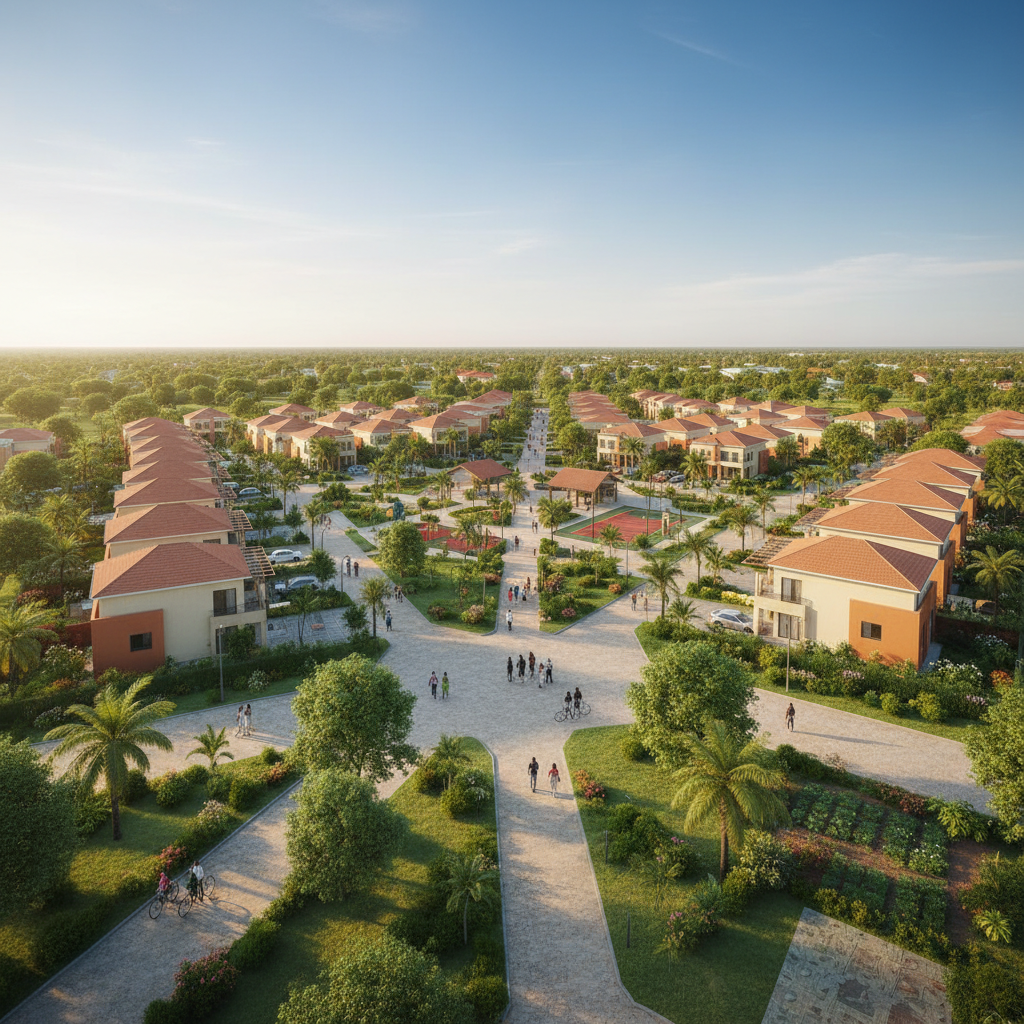
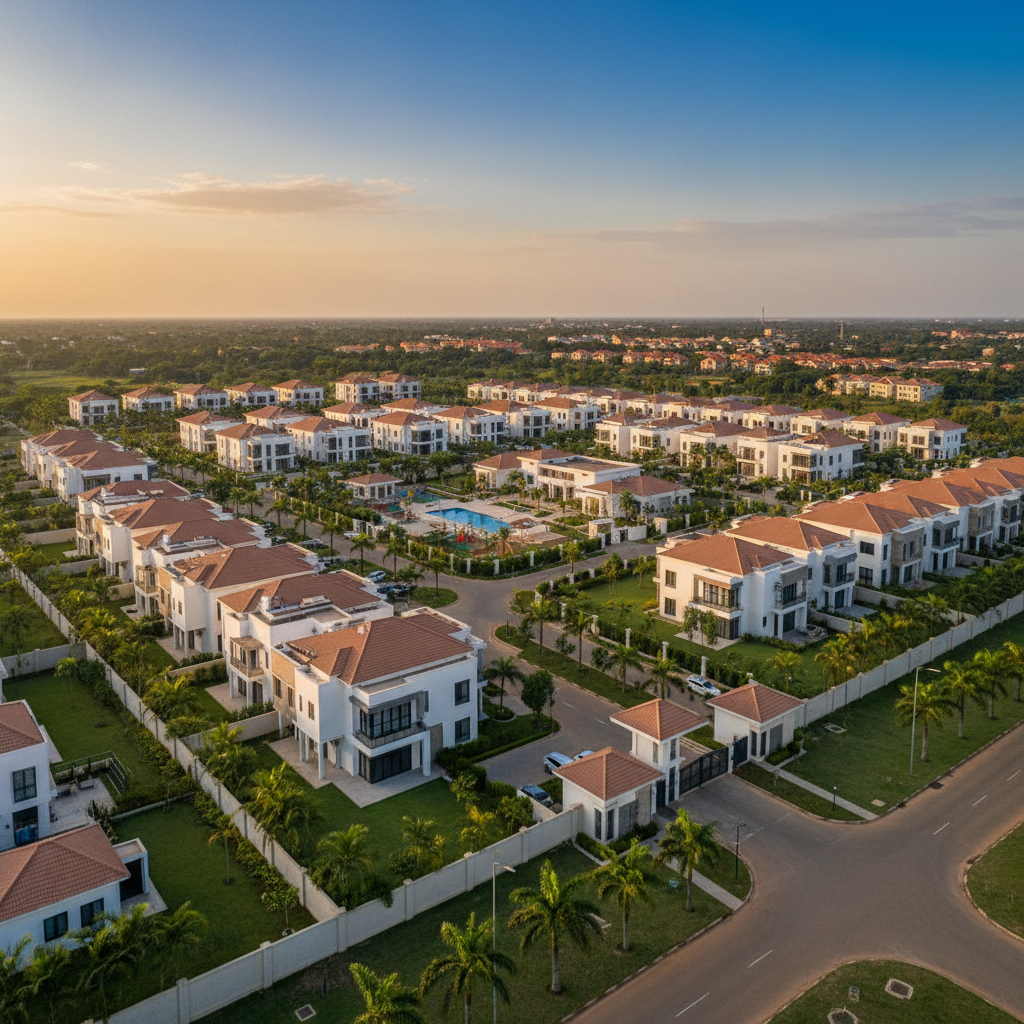
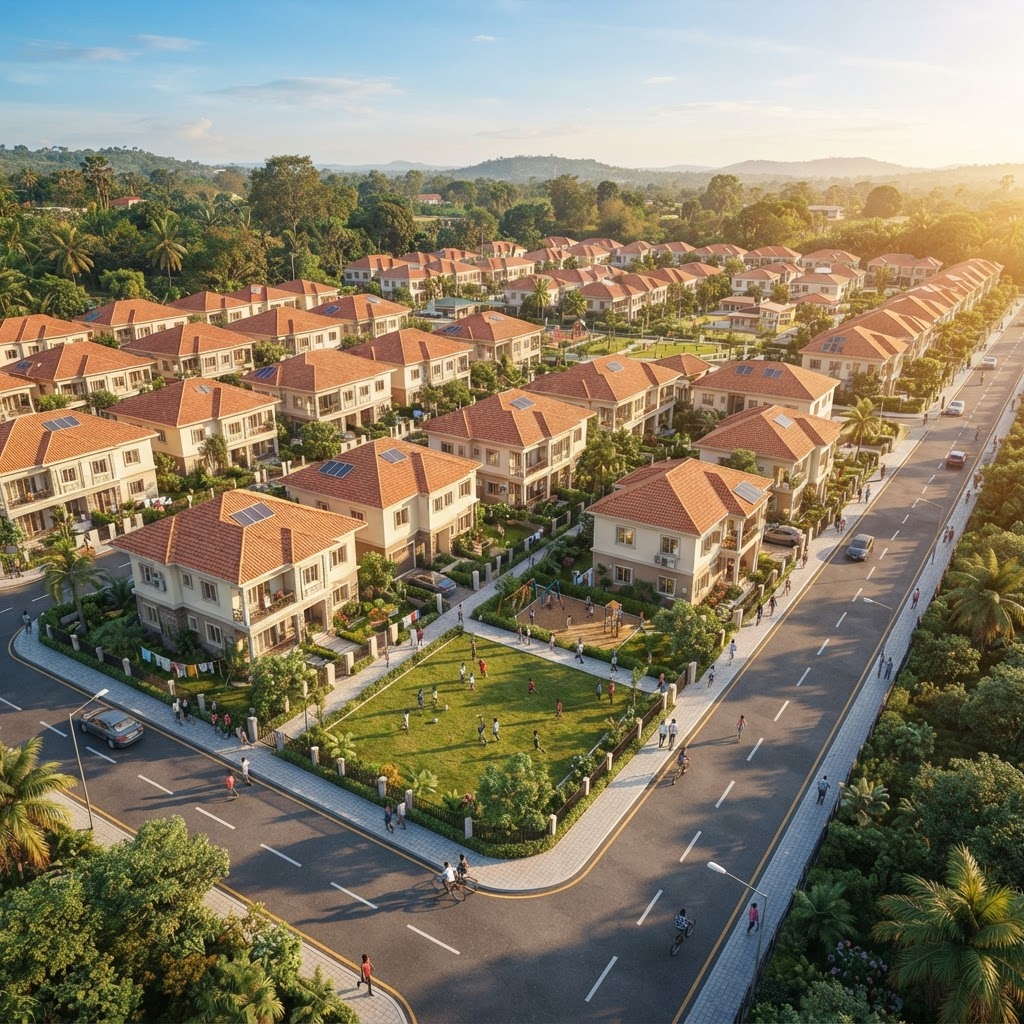
We also invest in community. Our housing developments are not just collections of buildings. They are neighbourhoods designed to foster interaction, safety, and pride of ownership. Green spaces, proper roads, reliable utilities — these are not afterthoughts for us. They are central to our vision of what affordable housing in Ghana should look like.
Our Commitment to the Broader African Vision
Ghana sits at the heart of a broader continental movement toward more equitable urban development. As a member of the African Union and a signatory to the Sustainable Development Goals, Ghana has committed to ensuring that all its citizens have access to adequate housing by 2030. At Gido Homes, we take that commitment personally. Every project we complete is a contribution to that vision — not just for Ghana, but for the model it sets for the rest of Africa.
The Path Forward: What Africa Needs to Solve the Housing Crisis
Solving Africa's affordable housing crisis will require action on multiple fronts simultaneously. Governments must create more enabling policies, reduce red tape in land acquisition and building approval, and expand subsidised mortgage programmes for low- and middle-income earners. Financial institutions must develop creative housing finance products tailored to the realities of African income structures — including informal sector workers who may not have regular payslips but are entirely creditworthy.
Developers must resist the temptation to chase only the top of the market and instead see the enormous opportunity that lies in serving ordinary families well. And communities themselves must be involved in the planning and design of housing projects to ensure that what gets built actually meets their needs.
The solution to Africa's housing deficit will not come from a single actor. It will come from a coalition of government, private sector, civil society, and communities all pulling in the same direction. That coalition is forming. The momentum is building. And companies like Gido Homes Ltd are proud to be part of it.
Conclusion: A Home Is Not a Luxury — It Is a Right
Affordable housing in Africa is one of the defining challenges of our generation. But it is also one of the greatest opportunities. The families who are waiting for decent homes are not passive victims — they are active, aspirational people ready to invest in their futures the moment someone gives them the chance.
At Gido Homes Ltd, we are committed to being that chance. We invite you to explore our current developments, speak with our team, and take the first step toward owning a home you can be proud of. Because in our view, a decent home is not a luxury reserved for the few. It is a right that every African family deserves.
Ready to find your perfect home? Contact Gido Homes Ltd today and let us help you take the next step toward homeownership.