Affordable Housing in Africa: How Gido Homes Is Redefining Homeownership for Every Family
There is something deeply personal about owning a home. It is not just four walls and a roof — it is security, dignity, and a foundation for the next generation. Yet across Africa, millions of families wake up every day without that foundation. The affordable housing deficit on the continent is staggering, and it is growing.
At Gido Homes Ltd, a subsidiary of GIDO Group Ltd, we believe that quality housing should not be a luxury reserved for the wealthy few. It should be a real, attainable goal for every hardworking family in Ghana and across Africa. In this article, we explore the affordable housing crisis in Africa, what is driving it, and how thoughtful, community-focused development can change the story.
The Scale of Africa's Affordable Housing Crisis
Let us start with the numbers, because they tell a story that demands attention.
Africa currently faces a housing deficit of approximately 51 million units, according to estimates from the African Development Bank. Sub-Saharan Africa alone needs to build roughly 4 million new homes every year just to keep pace with population growth. Ghana, despite being one of West Africa's most stable economies, is not immune. The country's housing deficit currently sits at an estimated 1.8 million units — a figure that continues to climb as urban migration accelerates and family formation outpaces construction.
The gap between housing supply and demand is not just a statistic. It translates directly into overcrowded communities, rising rents, informal settlements, and families forced to make impossible trade-offs between shelter and education, healthcare, or food.
Why Is the Deficit So Persistent?
Several structural forces are driving Africa's housing gap, and understanding them is the first step toward solving them:
- Rapid urbanization: Africa is urbanizing faster than any other region in the world. Cities like Accra, Lagos, Nairobi, and Abidjan are absorbing thousands of new residents every week, putting enormous pressure on existing housing stock.
- High construction costs: The price of building materials — cement, steel, timber — has risen sharply in recent years, making it harder for developers to deliver homes at prices ordinary families can afford.
- Limited access to mortgage financing: In most African countries, mortgage markets remain underdeveloped. Interest rates are high, loan terms are short, and qualification criteria exclude the majority of working-class households.
- Land tenure challenges: Unclear or disputed land ownership makes it risky and complicated for developers and homebuyers alike, particularly in peri-urban areas.
- Infrastructure gaps: Many affordable locations lack reliable roads, water, electricity, and drainage — raising the total cost of development and making new communities less attractive to buyers.
These are real obstacles, but they are not insurmountable. Across the continent, innovative developers, governments, and financiers are finding ways to close the gap — and Gido Homes is proud to be part of that solution in Ghana.
What Does "Affordable Housing" Actually Mean?
This is a question worth asking directly, because the term gets used loosely in ways that do not always reflect reality.
In technical terms, housing is considered affordable when a household spends no more than 30% of its monthly income on housing costs — rent or mortgage repayment included. By that standard, a family earning the average Ghanaian household income would qualify for a home priced within a certain range, often far below what the conventional real estate market offers.
True affordable housing is not just cheap housing. It means homes that are:
- Structurally sound and safe — built to proper standards with quality materials
- Appropriately sized for the families who will live in them
- Located in accessible communities with transport links, schools, and healthcare nearby
- Financially accessible through mortgage products, rent-to-own schemes, or government subsidy programs
- Sustainable — designed to keep long-term maintenance costs low
At Gido Homes, these principles are not just ideals on paper. They guide every project we undertake.
How Gido Homes Is Addressing Affordable Housing in Ghana
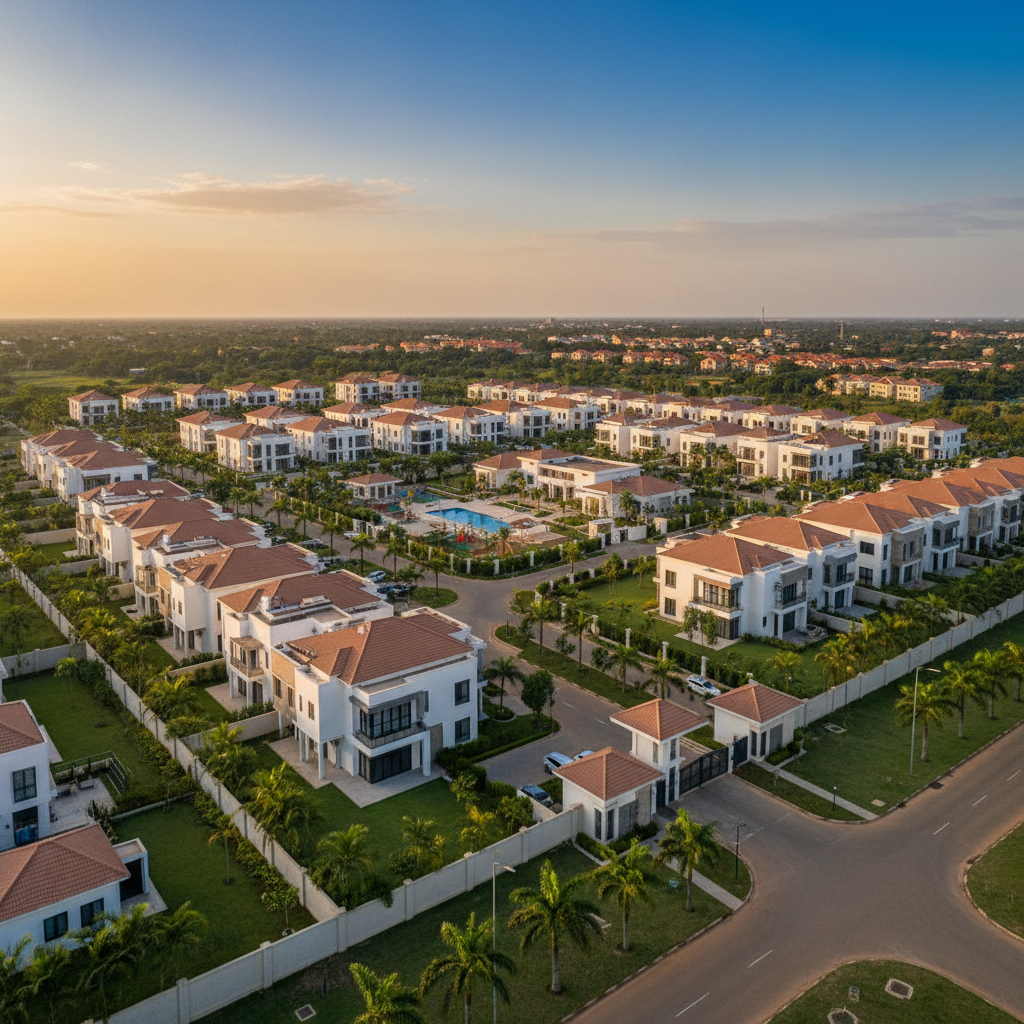
Gido Homes Ltd was established with a clear and unambiguous mission: to deliver quality, affordable homes to Ghanaian families who deserve better than what the market has historically offered them. As part of the broader GIDO Group Ltd ecosystem, we are backed by the resources, expertise, and long-term commitment that large-scale housing development demands.
Smart Design That Reduces Cost Without Cutting Corners
One of the most effective levers we have as a developer is design. By being intentional about space planning, standardizing floor plans across multiple units, and optimizing material use, we are able to significantly reduce per-unit construction costs — savings we pass directly on to our buyers.
This does not mean cramped, uncomfortable spaces. It means efficient, thoughtfully designed homes where every square metre works hard. Our homes are built to accommodate the real way Ghanaian families live — with room for extended family, flexible sleeping arrangements, and spaces that grow with you.
Strategic Land Acquisition in Growth Corridors
Land cost is one of the largest drivers of housing price. Gido Homes takes a long-term view of land acquisition, identifying emerging growth corridors around Accra and other Ghanaian cities where infrastructure is improving and demand is rising, but land values have not yet spiked. This forward-looking approach allows us to offer buyers genuinely competitive prices in locations with strong future appreciation potential.
Flexible Payment and Financing Options
We understand that even a well-priced home is out of reach for most families if the only way to buy it is a lump-sum cash payment. That is why Gido Homes works actively with financial institutions to provide buyers with accessible mortgage options, structured payment plans, and rent-to-own pathways that make homeownership achievable in stages.
Our team works personally with each client to understand their financial situation and identify the best route to ownership — because we are not just selling houses, we are helping families build wealth.
Community-Centered Development
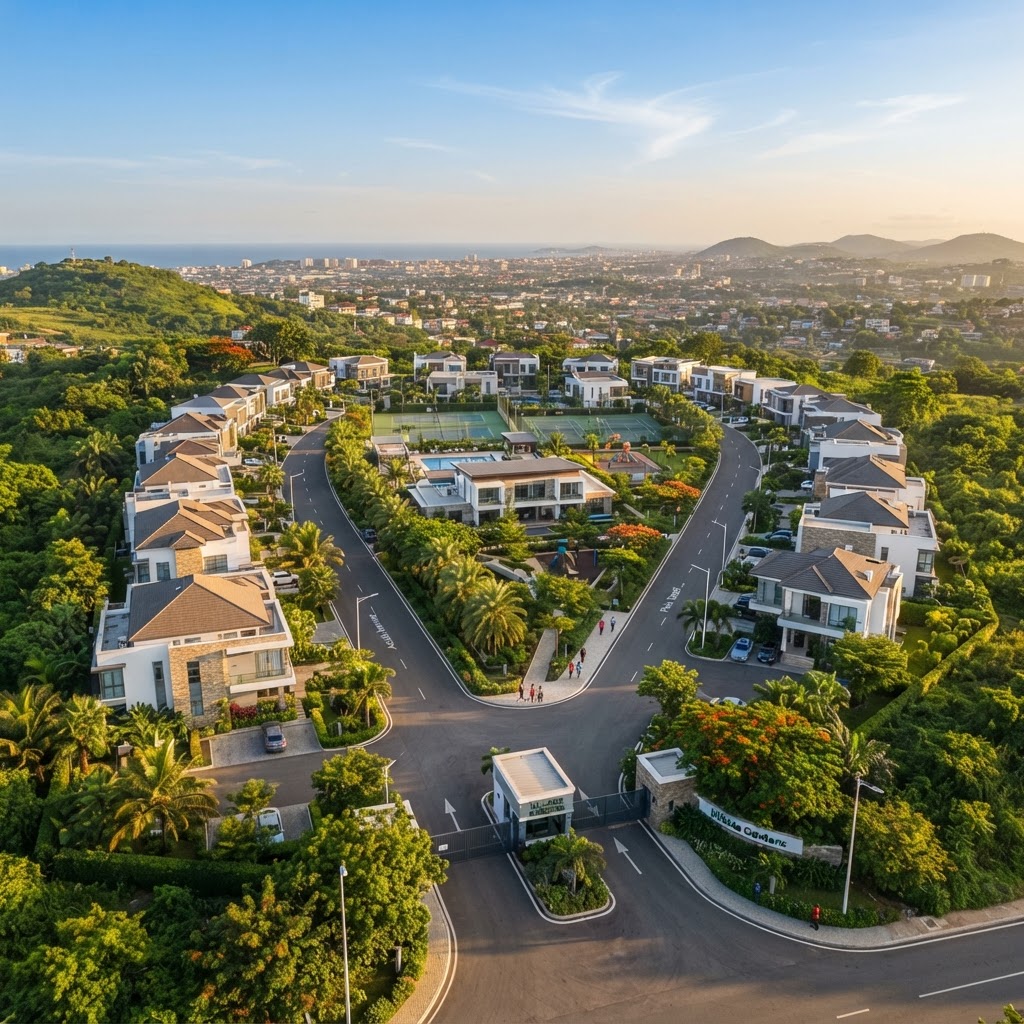
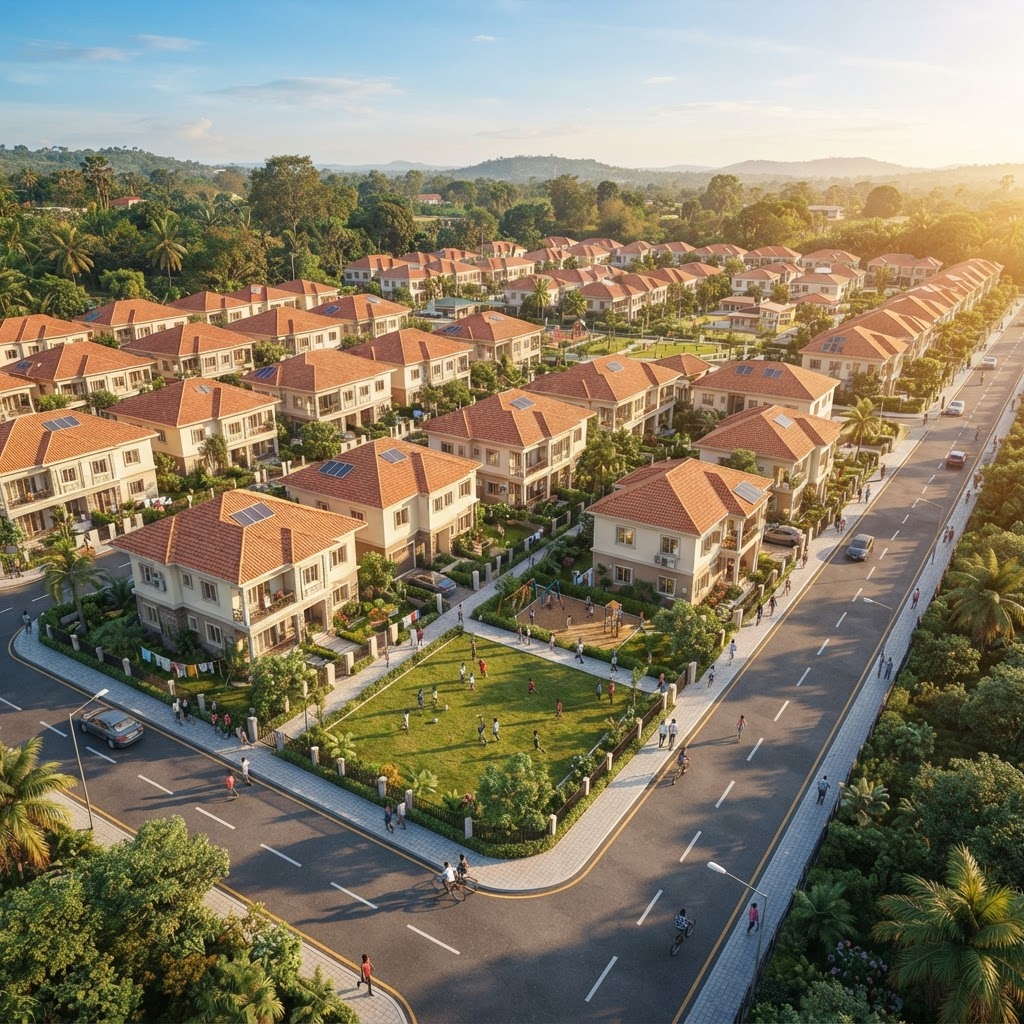
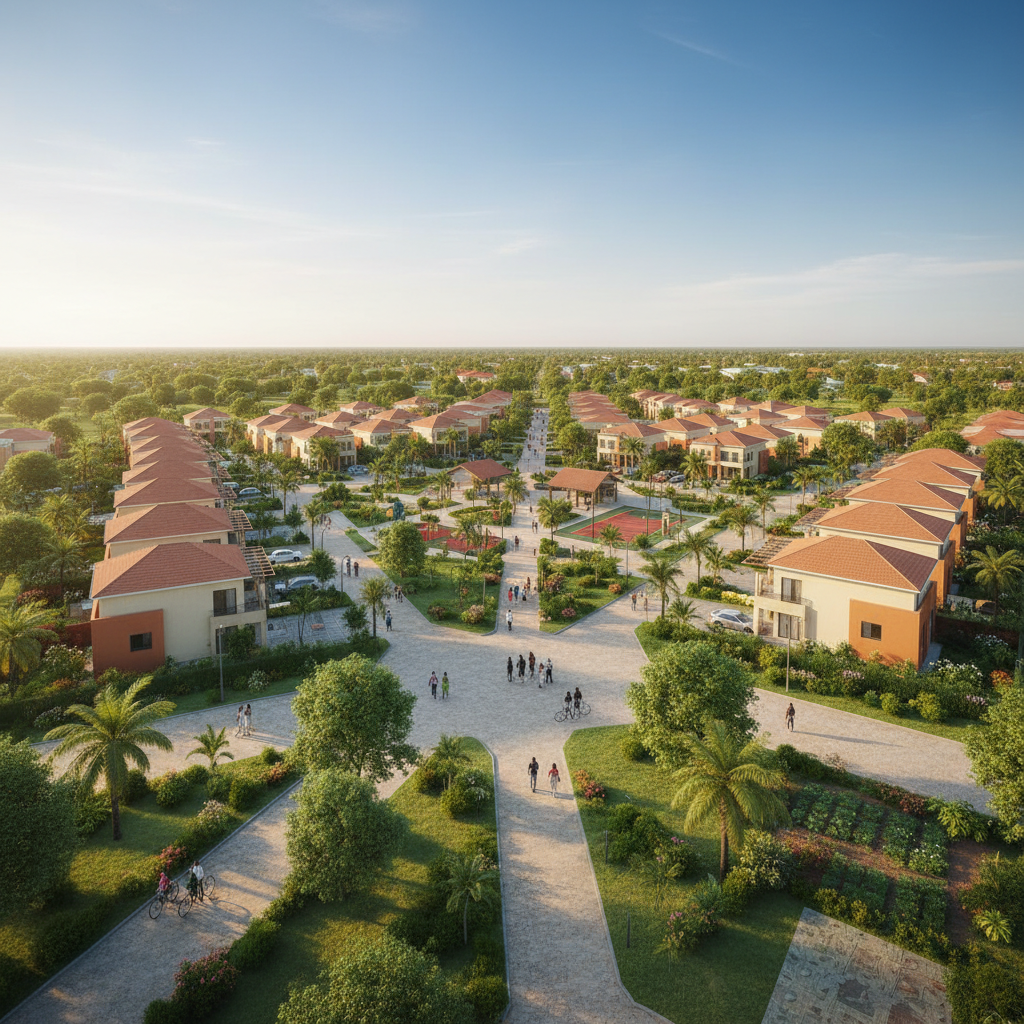
Affordable housing that is isolated, poorly serviced, and disconnected from economic opportunity is not truly solving the problem. Gido Homes invests in the community around our developments — advocating for infrastructure improvements, incorporating communal green spaces, and ensuring residents have access to the amenities that make a neighbourhood a real home.
The Broader African Opportunity
Ghana's housing journey is part of a larger continental story. Across Africa, a new generation of developers, policymakers, and financiers are reimagining what housing can look like — and the momentum is genuinely exciting.
Countries like Rwanda and Kenya have demonstrated that when government policy, private investment, and affordable finance align, significant progress is possible. Rwanda's government-backed housing programs have delivered thousands of units in Kigali. Kenya's affordable housing agenda under its Big Four plan showed the power of political will and public-private partnerships.
Ghana has its own ambitious housing targets and an increasingly supportive policy environment. The government's recognition of the housing deficit as a national priority — combined with the growth of Ghana's mortgage market and the expansion of capital available for real estate development — creates a genuine window of opportunity for developers like Gido Homes to do meaningful, large-scale work.
The Role of Technology in Affordable Housing
Technology is also reshaping what is possible. From prefabricated construction techniques that cut build times and costs, to digital platforms that connect buyers with financing and developers with materials, innovation is making affordable housing more viable than ever before. Gido Homes is actively exploring these technologies to enhance the quality and speed of delivery across our projects.
Why Now Is the Time to Invest in an Affordable Home in Ghana
If you are a Ghanaian family or individual who has been putting off the dream of homeownership because it seemed too far out of reach, there are compelling reasons why now may be the right moment to take that step.
Property values in Ghana's growth corridors continue to appreciate. Rental markets remain tight, meaning every month you rent is a month you are building someone else's wealth, not your own. Mortgage financing, while still developing, is more accessible today than it was a decade ago. And with developers like Gido Homes offering genuinely affordable options backed by quality construction and professional support, the barriers to entry have never been lower.
Homeownership is not just a financial decision. It is one of the most powerful steps a family can take toward long-term stability and generational wealth. We are here to help you take it.
Conclusion
Africa's affordable housing crisis is real, urgent, and deeply consequential for millions of families. But it is also a problem that can be solved — with the right vision, the right partners, and the right commitment to putting people first.
At Gido Homes Ltd, we are not waiting for someone else to fix it. We are building the answer, one quality, affordable home at a time, right here in Ghana. Whether you are a first-time buyer, a young family ready to put down roots, or an investor looking to contribute to meaningful development, we invite you to be part of this story.
Because every family deserves a place to call home.
Interested in learning more about our current and upcoming developments? Contact Gido Homes Ltd today and let us help you find your way home.