The Rise of Residential Development in Ghana
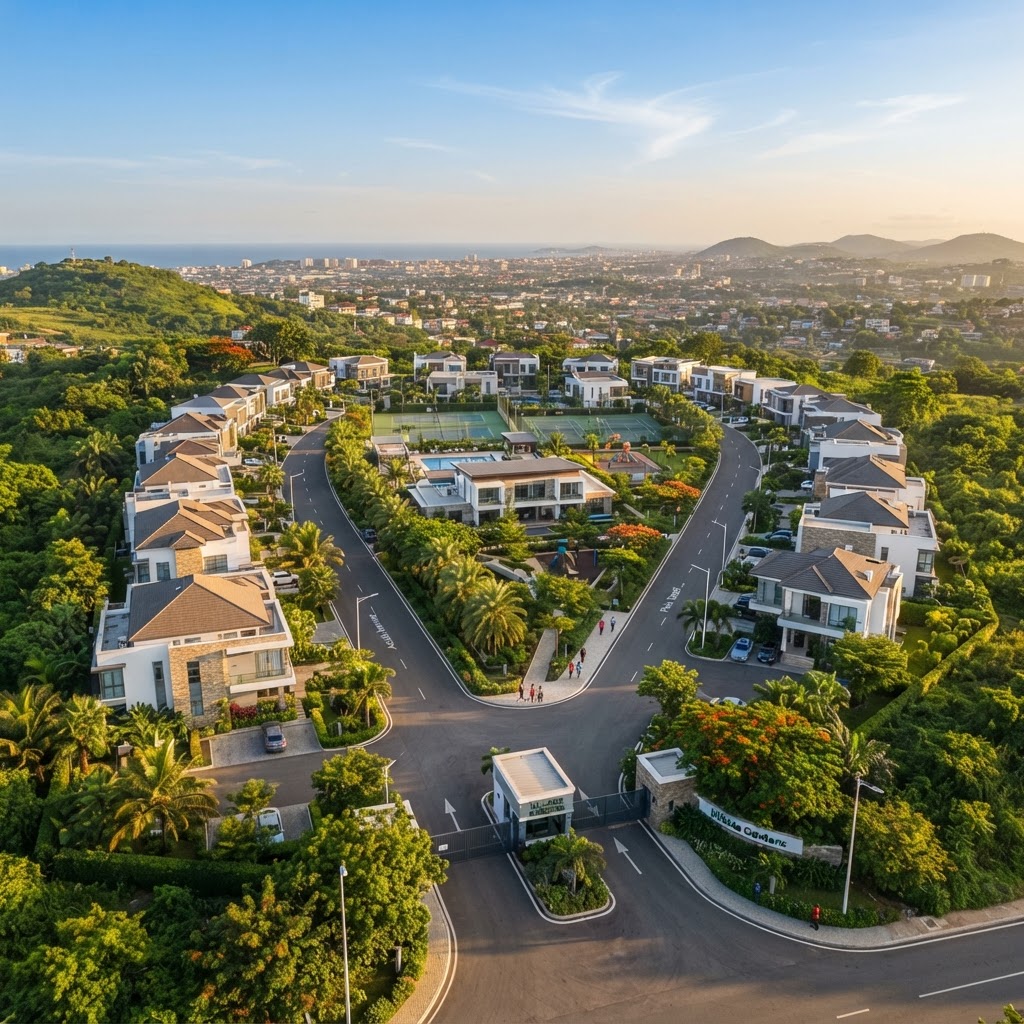
Ghana is changing — and nowhere is that change more visible than in the skyline of its cities and the quiet streets of its growing suburbs. From Accra's bustling neighbourhoods to the expanding corridors of Tema, Kumasi, and beyond, residential development is reshaping how Ghanaians live, invest, and build their futures.
At Gido Homes Ltd, a proud subsidiary of GIDO Group Ltd, we have watched this transformation unfold firsthand. We have also played an active role in it — designing, building, and delivering residential communities that reflect the aspirations of modern Ghanaian families. This article explores what residential development truly means in the Ghanaian context, why it matters, and how families and investors can make smart choices in today's market.
What Is Residential Development and Why Does It Matter?
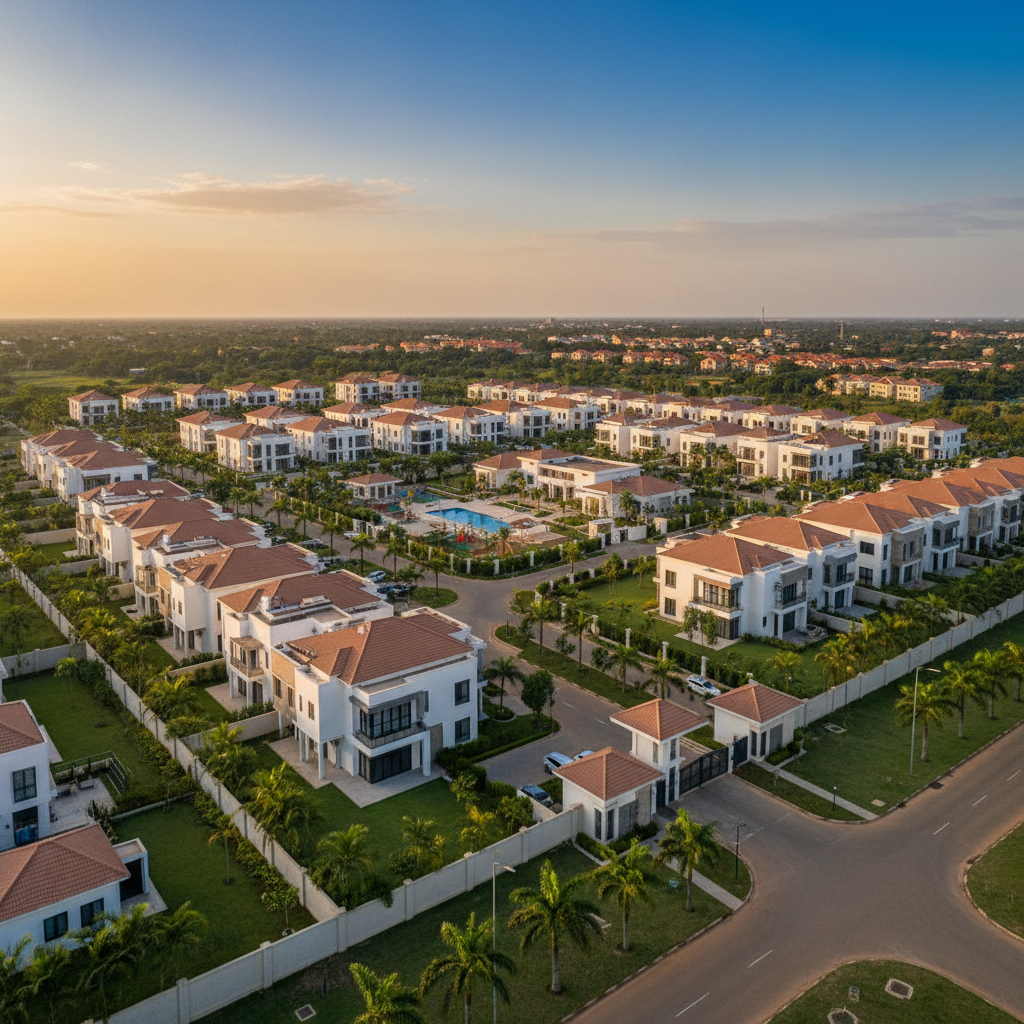
Residential development refers to the planning, construction, and delivery of housing units intended for people to live in. This can range from single-family homes and townhouses to gated communities, apartment complexes, and affordable housing estates.
In Africa — and Ghana specifically — residential development carries enormous social and economic weight. According to the Ghana Statistical Service, the country faces a housing deficit of over 1.8 million units. That means millions of families are either living in substandard conditions, renting far above their means, or simply unable to access safe, dignified housing.
This gap is not just a statistic. It represents real people — young professionals starting careers in Accra, growing families seeking more space in Kumasi, retirees hoping to settle into a home they truly own. Addressing that gap through quality residential development is one of the most impactful things the private sector can do for Ghana.
Key Trends Shaping Housing Development in Ghana Today
1. Growing Demand in Peri-Urban Areas
As city centres become more congested and expensive, demand for housing is shifting outward. Towns like Kasoa, Oyibi, Pokuase, Adenta, and Ashale-Botwe have become hotbeds of residential development activity. Buyers are increasingly willing to commute if it means owning a quality home at a reasonable price.
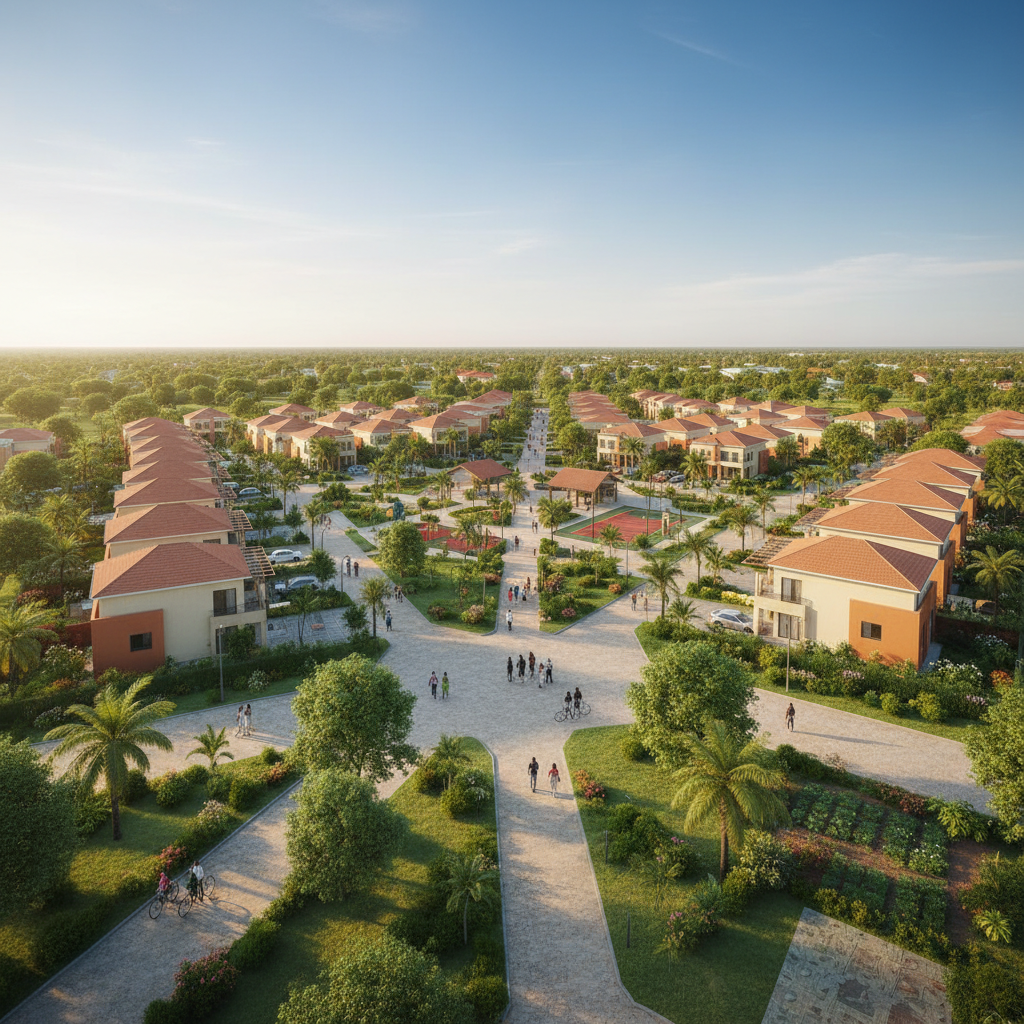
This shift has opened enormous opportunities for developers like Gido Homes to deliver thoughtfully planned estates in accessible locations — communities designed with roads, drainage, electricity, and green spaces built in from the start.
2. The Middle-Class Homebuyer Is Rising
Ghana's growing middle class is one of the most important demographic forces shaping the housing market. These are educated, employed Ghanaians who want more than just four walls. They want security, aesthetics, reliable water and power, community spaces for their children, and proximity to schools and shopping.
They also want transparency. The days when a developer could sell a plot with a vague promise and a handshake are fading. Today's homebuyers ask hard questions, research developers online, and expect clear contracts, proper titles, and regular construction updates.
3. Sustainable and Smart Design
Across Africa, there is a growing conversation about building homes that are both environmentally responsible and cost-effective to run. Solar-ready rooftops, rainwater harvesting systems, energy-efficient windows, and passive ventilation design are no longer luxuries — they are becoming expectations, especially among younger buyers.
At Gido Homes, we believe that building sustainably is not just good for the planet. It is good business. Homes that cost less to run are more attractive to buyers and hold their value longer.
4. Mortgage Accessibility Is Slowly Improving
Historically, mortgage financing in Ghana has been limited and expensive. Interest rates have made home loans inaccessible for many. However, the landscape is slowly evolving. Government-backed schemes, employer housing funds, and new financial products from local banks are gradually making it easier for Ghanaians to finance a home purchase.
For developers, this means partnering with the right financial institutions to give buyers flexible, workable payment plans. It also means building homes at price points that align with what buyers can realistically afford.
What Makes a Quality Residential Development?
Not all housing developments are created equal. Whether you are a first-time buyer or a seasoned investor, understanding the hallmarks of quality is critical before committing your money.
Secure Land Title and Documentation
This is non-negotiable. In Ghana, land disputes are one of the most common and costly problems buyers encounter. A reputable developer will have clean title documentation, proper site plans registered with the Lands Commission, and no encumbrances on the property. Always ask to see the title documents before you pay a single pesewa.
Infrastructure and Utilities
A beautiful house surrounded by unpaved roads, no drainage, and unreliable power is not a quality development — it is an expensive headache. Look for estates where the developer has invested in internal roads, proper drainage channels, streetlighting, and connections to Ghana Water and Electricity Company (ECG) infrastructure.
Community Planning and Amenities
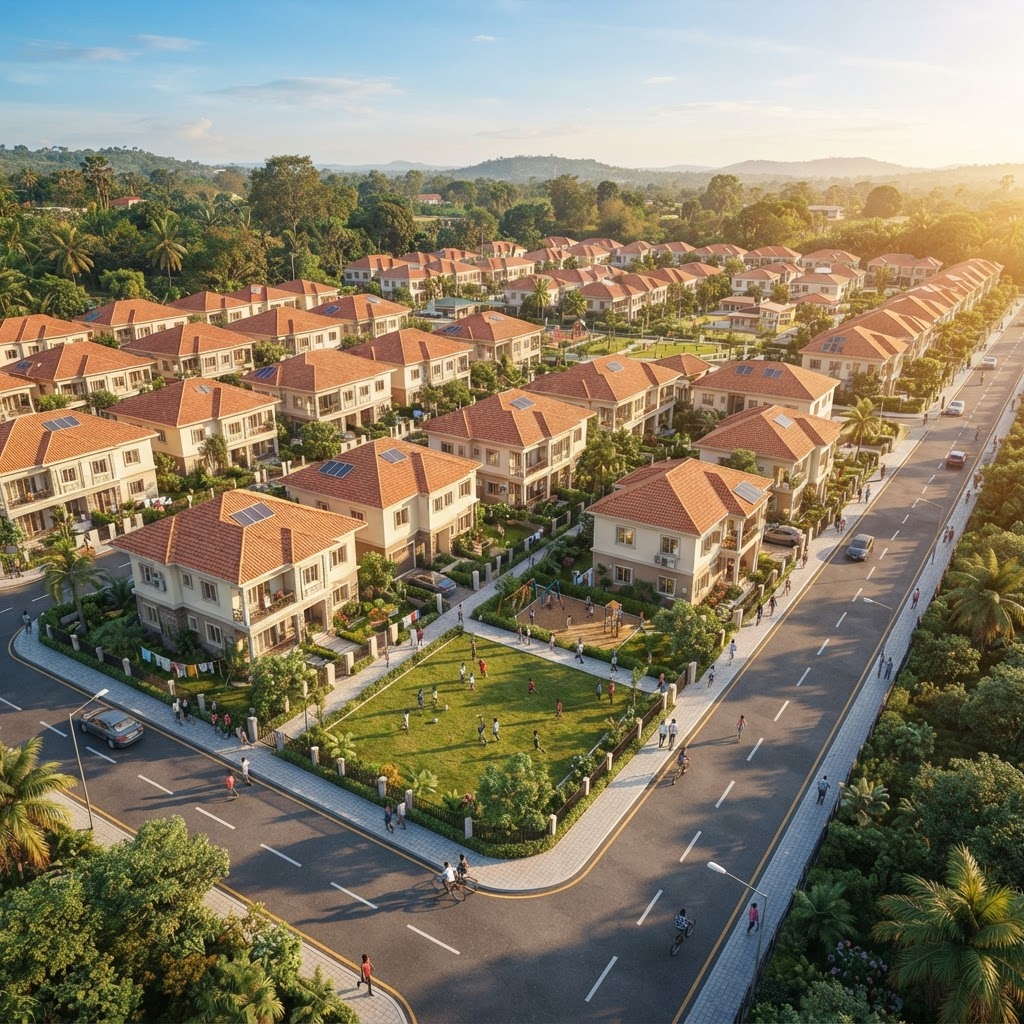
The best residential developments think beyond individual units. They create communities. That means parks and green spaces where children can play, perimeter security, estate management services, and sometimes even neighbourhood retail or recreational facilities.
These features do not just make daily life more pleasant — they protect your investment by making the estate desirable for future buyers and renters.
Reputable Developer Track Record
Always research the developer. How long have they been building in Ghana? What projects have they delivered? Can you visit a completed community and speak with residents? A developer's reputation is their most valuable asset — and buyers should demand nothing less than a proven track record.
Investing in Residential Property in Ghana: An Opportunity Worth Considering
Residential real estate in Ghana has consistently proven to be a strong store of value. In a market where inflation can erode savings, property remains one of the most reliable ways to preserve and grow wealth.
For diaspora Ghanaians, investing in a home back in Ghana has both emotional and financial logic. Rental yields in well-located estates can be attractive, and the long-term appreciation potential in cities like Accra and Kumasi remains strong.
For local investors, buying into a residential estate — whether to live in or lease out — offers a tangible, manageable asset that can generate passive income while appreciating over time.
Of course, like any investment, due diligence is essential. Work with developers you trust, understand the payment terms fully, and if possible, engage a qualified property lawyer to review your purchase agreement.
How Gido Homes Ltd Is Delivering on the Promise of Quality Housing
At Gido Homes Ltd, our mission is straightforward: to deliver residential developments that Ghanaian families are proud to call home. We are part of the GIDO Group Ltd family — a diversified Ghanaian conglomerate with deep roots in building, infrastructure, and community development.
We bring that same commitment to every housing project we undertake. From site selection and community planning to construction quality and post-sale support, we hold ourselves to standards that go beyond the minimum.
We believe that building homes is about more than structures. It is about creating the conditions for families to thrive — safely, comfortably, and with confidence in their investment.
If you are exploring residential development options in Ghana — whether as a homebuyer or an investor — we invite you to learn more about what Gido Homes has to offer. Our team is ready to walk you through available properties, payment plans, and everything you need to make an informed decision.
Final Thoughts: The Future of Residential Development in Ghana Is Bright
Ghana's housing story is still being written. The challenges are real — land access, financing gaps, rising construction costs — but so is the momentum. A new generation of developers, buyers, and policymakers is pushing the sector forward with energy and ambition.
At Gido Homes Ltd, we are proud to be part of that story. We are building not just houses, but communities. Not just structures, but legacies. And we believe the best chapters are still ahead.
Ready to find your place in Ghana's future? Contact Gido Homes Ltd today and let us help you come home.