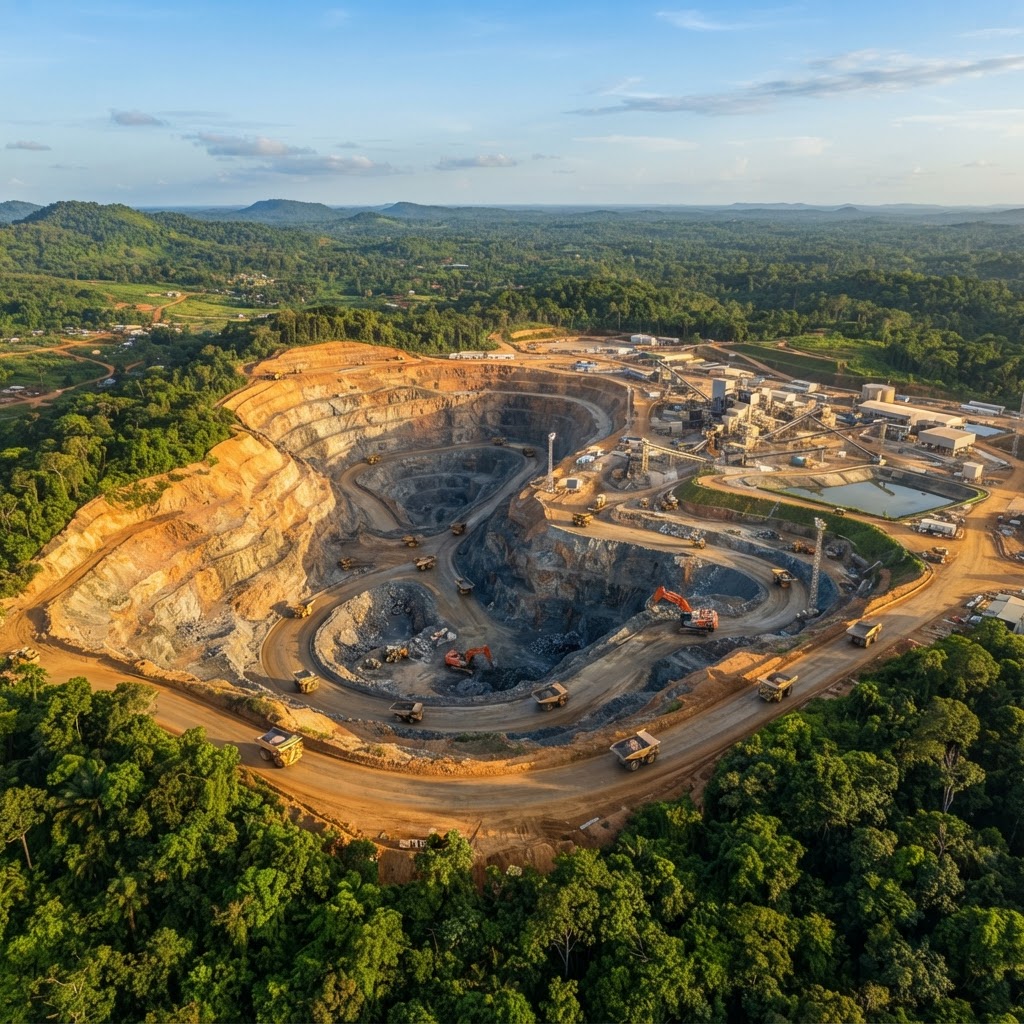
Mining has always been a double-edged sword. On one side, it fuels economic growth, creates jobs, and supplies the raw materials that power modern life. On the other, poorly managed mining operations can devastate ecosystems, contaminate water sources, and leave communities worse off than before. In Ghana — one of Africa's most storied mining nations — the conversation around environmental mining practices has never been more urgent or more important.
At Gido Mining Ltd, a subsidiary of GIDO Group Ltd, we believe that responsible mining is not a compromise. It is a commitment. It is the only way we know how to work. This article explores what environmental mining practices actually mean, why they matter deeply in the Ghanaian and broader African context, and how Gido Mining Ltd is putting these principles into real, measurable action on the ground.
Why Environmental Mining Practices Matter in Ghana
Ghana holds an exceptional wealth of natural resources. From gold — which earned the country its colonial-era name, the Gold Coast — to bauxite, manganese, diamonds, and increasingly, lithium, the country sits atop a treasure chest that global markets are hungry for. The mining sector contributes significantly to Ghana's GDP, accounts for a large share of export revenue, and employs thousands directly and indirectly.
But this wealth comes with responsibility. Ghana has experienced firsthand the consequences of irresponsible mining. Galamsey — the term for illegal, small-scale artisanal mining — has contaminated some of the country's most vital river systems, including the Pra and Offin rivers. Forest reserves have been stripped. Farmland has been rendered barren. Communities living near mining zones have reported health issues linked to heavy metal exposure and poor water quality.
These are not abstract problems. They affect real families, real farmers, and real futures. Licensed, professional mining companies like Gido Mining Ltd therefore carry a special weight of responsibility — not just to regulators, but to the Ghanaian people and to the African continent at large.
The Regulatory Framework Guiding Mining in Ghana
Ghana's mining sector is governed by several key legislative instruments, including the Minerals and Mining Act 2006 (Act 703), the Environmental Assessment Regulations (LI 1652), and guidelines from the Environmental Protection Agency (EPA) of Ghana. These frameworks require mining companies to conduct Environmental Impact Assessments (EIAs) before beginning operations, implement reclamation plans, and maintain ongoing environmental monitoring throughout the life of a mine.
Compliance is not optional — it is the law. But at Gido Mining Ltd, we view compliance as the floor, not the ceiling. Our internal standards often go beyond what regulations require, because we understand that protecting Ghana's environment is an investment in the country's long-term prosperity.
Core Environmental Mining Practices We Champion
So what does responsible, environmentally conscious mining actually look like in practice? Here is a breakdown of the key pillars that guide Gido Mining Ltd's operations.
1. Environmental Impact Assessments and Pre-Mining Planning
Before a single excavator breaks ground, Gido Mining Ltd conducts thorough Environmental Impact Assessments. These studies evaluate the potential effects of mining activities on soil, water, biodiversity, air quality, and surrounding communities. The findings are not filed away — they actively shape how we design our operations, what protective measures we put in place, and how we engage with local stakeholders.
Good planning at the start of a project prevents costly and damaging mistakes down the line. It is the foundation upon which every responsible mining operation must be built.
2. Water Resource Protection
Water is life. In Ghana, rivers and groundwater sources are critical lifelines for agriculture, drinking water, and community sustenance. Mining operations that contaminate these sources cause harm that can persist for generations.
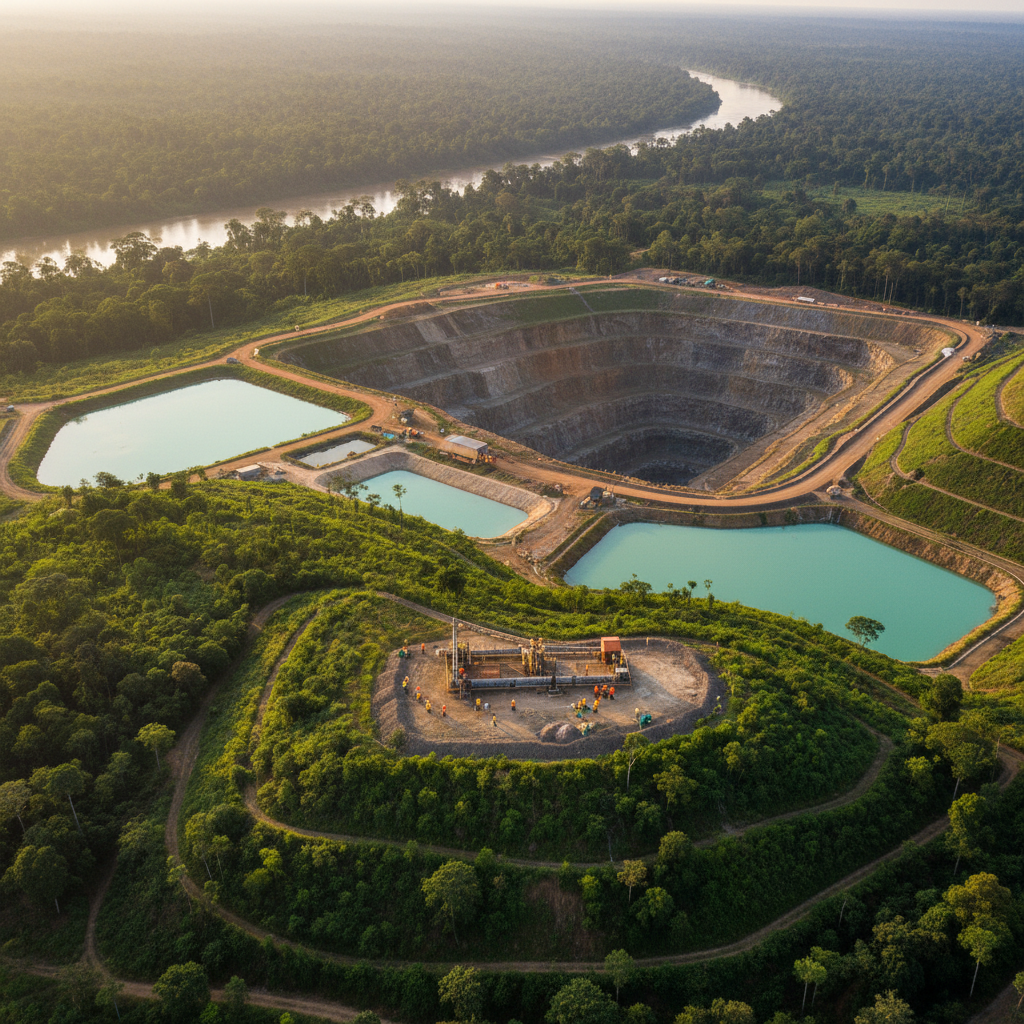
Gido Mining Ltd implements strict water management protocols at all our sites. This includes the construction of sediment ponds to capture runoff, regular monitoring of nearby water bodies for signs of contamination, and the use of closed-loop water recycling systems wherever feasible. We treat wastewater before it is released and maintain buffer zones around rivers and streams that fall within our operational areas.
3. Dust and Air Quality Management
Dust suppression is another critical but often overlooked aspect of responsible mining. Excessive dust generated during blasting, hauling, and processing can affect the respiratory health of workers and nearby communities, and can settle on crops and water sources.
At our sites, we employ water spraying on haulage roads, carefully time blasting activities, and use dust collectors in processing facilities. We also conduct periodic air quality monitoring to ensure that emissions remain within acceptable thresholds.
4. Land Rehabilitation and Mine Reclamation
Perhaps the most visible measure of a mining company's environmental commitment is what it leaves behind once extraction is complete. Land reclamation — the process of restoring mined areas to productive use — is a legal requirement in Ghana, but it is also a moral one.
Gido Mining Ltd maintains dedicated mine closure and rehabilitation plans for all active sites. These plans include regrading disturbed land to stable contours, replacing topsoil, revegetating with native plant species, and where appropriate, returning land to agricultural productivity. We begin reclamation work progressively, rehabilitating sections of mined land while operations continue elsewhere, rather than waiting until a site is fully exhausted.
This approach minimises the total footprint of disturbed land at any given time and ensures that rehabilitation expertise and resources are maintained throughout the life of a mine.
5. Biodiversity Conservation
Ghana is home to remarkable biodiversity, including forest reserves, wetlands, and habitats for endangered species. Mining inevitably involves some level of habitat disturbance, but the impact can be significantly reduced through thoughtful site selection, operational design, and active conservation measures.
Gido Mining Ltd avoids operations in protected forest reserves and high-biodiversity areas wherever possible. Where some disturbance is unavoidable, we offset it through biodiversity action plans that may include habitat restoration, tree planting programmes, and partnerships with conservation organisations working in our operational regions.
6. Community Engagement and Social Responsibility
Environmental practices do not exist in a vacuum — they are inseparable from the communities in which mining takes place. Local communities are often the first to notice environmental changes and the most directly affected by them. Engaging these communities as genuine partners — not just stakeholders to be managed — is central to Gido Mining Ltd's approach.
We maintain open lines of communication with community leaders and residents, hold regular consultative meetings, and have established grievance mechanisms that allow community members to raise concerns directly with our management teams. We invest in local environmental education programmes and employ local people wherever possible, building capacity within communities to participate meaningfully in environmental monitoring and oversight.
The Business Case for Sustainable Mining in Africa
Some in the mining industry still view environmental responsibility as a cost — a drag on profitability and operational efficiency. At Gido Mining Ltd, we flatly reject this framing. The business case for sustainable mining practices is compelling and increasingly undeniable.
Investors worldwide are placing greater emphasis on ESG (Environmental, Social, and Governance) criteria when making funding decisions. Mining companies with strong environmental track records attract better financing terms, face fewer regulatory hurdles, and build the kind of social licence to operate that protects long-term business continuity.
Furthermore, environmental incidents — spills, contamination events, community protests — are expensive. They trigger regulatory fines, operational shutdowns, reputational damage, and legal liability. Prevention is always cheaper than cure.
And beyond pure economics, there is simply the matter of legacy. Ghana's natural environment is not ours to exploit carelessly. It belongs to present and future generations of Ghanaians. Mining companies that operate with this truth in mind will be remembered as partners in national development. Those that do not will face the judgement of history.
Looking Ahead: Innovation and Continuous Improvement
The field of environmental mining practice is not static. New technologies, new methodologies, and new standards are emerging constantly, and Gido Mining Ltd is committed to staying at the forefront of these developments.
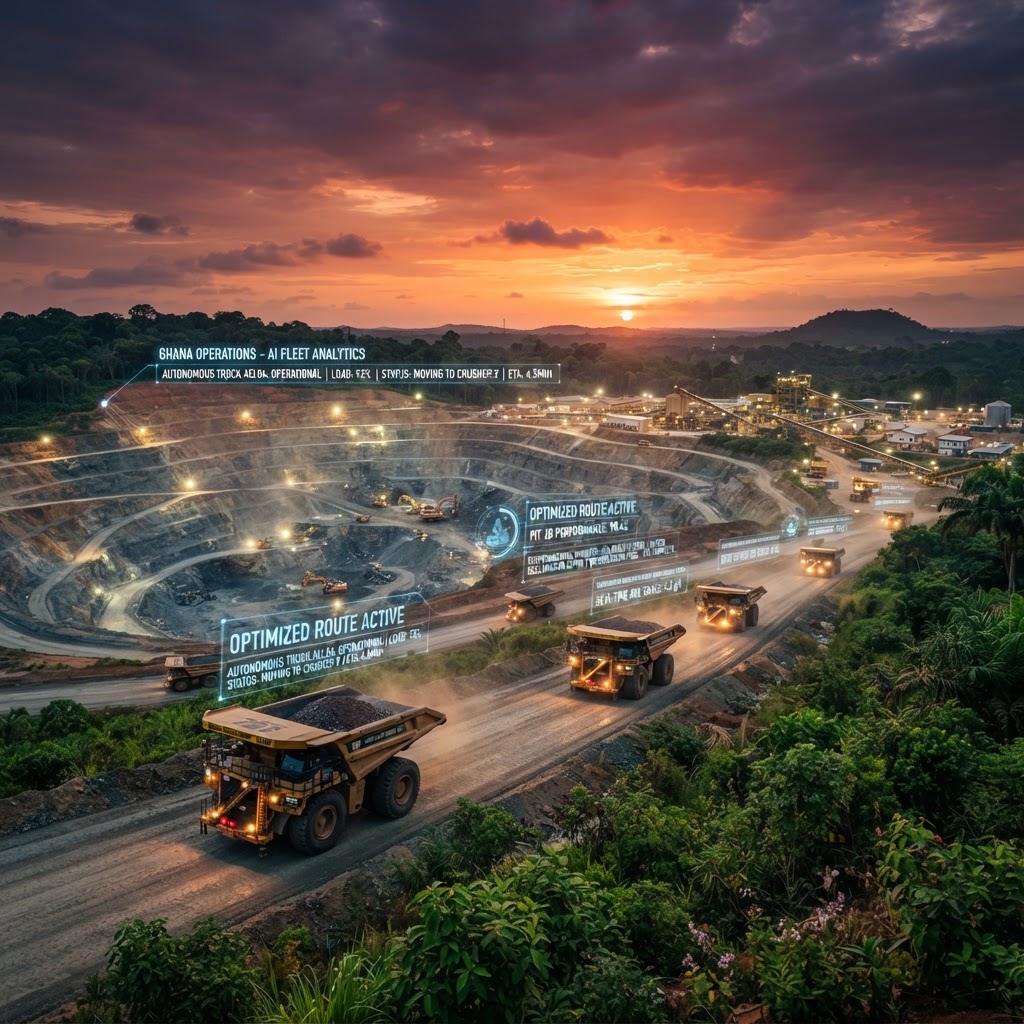
We are actively exploring the adoption of electric and hybrid mining equipment to reduce carbon emissions. We are investing in digital monitoring systems that provide real-time data on environmental indicators across our sites. And we are engaging with regional and international bodies to contribute to the development of best practice guidelines for mining in West Africa and across the continent.
Sustainability is not a destination — it is a direction. Every year, we set higher targets for ourselves and hold ourselves accountable to them.
Gido Mining Ltd: A Partner in Ghana's Sustainable Future
Ghana stands at an important crossroads. The global demand for minerals — especially those needed for clean energy technologies like lithium, cobalt, and manganese — is set to grow dramatically in the coming decades. Ghana has the resources to be a major beneficiary of this shift. But only if its mining industry develops in a way that preserves the country's natural capital, strengthens communities, and upholds the highest environmental standards.
Gido Mining Ltd is proud to be part of a mining industry that chooses responsibility. We are proud to operate under the broader GIDO Group Ltd family, which has always understood that sustainable business and national development go hand in hand.
If you are a partner, investor, community leader, or simply a Ghanaian who cares about the future of our land and our resources, we invite you to learn more about how we work — and to hold us to the standards we have set for ourselves.