The New Face of Mining: Why Technology Matters More Than Ever
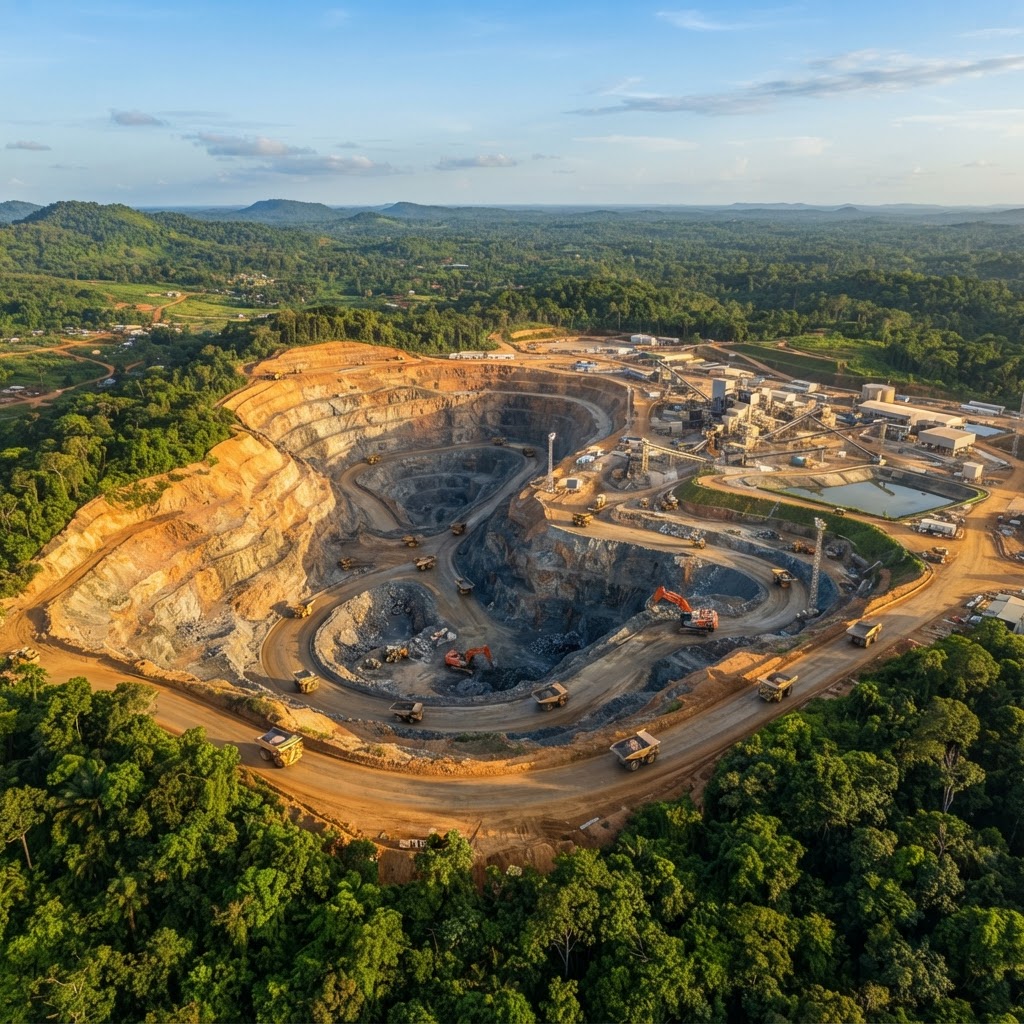
For decades, mining in Ghana and across Africa has been the backbone of economic growth. From gold and bauxite to manganese and diamonds, the continent sits atop some of the world's most valuable mineral reserves. But the way we extract these resources is changing — and changing fast.
Modern mining technology is no longer a luxury reserved for multinational giants operating in North America or Australia. It is rapidly becoming the standard expectation for any serious mining operation on the African continent. In Ghana, where the mining sector contributes significantly to GDP and foreign exchange earnings, embracing technological advancement is not just smart — it is essential.
At Gido Mining Ltd, a subsidiary of GIDO Group Ltd, we understand that the future of responsible, profitable, and sustainable mining lies in the intelligent application of technology. This article explores the key innovations reshaping the industry, their relevance to Ghana's mining landscape, and why forward-thinking companies are leading the charge.
Understanding the State of Mining in Ghana
Ghana is one of Africa's largest gold producers and has maintained that status for many years. The country's Minerals Commission oversees a sector that generates billions in revenue annually and employs hundreds of thousands of people directly and indirectly.
However, the industry has historically faced challenges — from environmental concerns and illegal small-scale mining (galamsey) to inefficiencies in ore processing and safety risks for workers. These are not unique to Ghana; they are issues that echo across mining operations throughout Sub-Saharan Africa.
This is precisely why mining technology has emerged as a critical conversation. The right tools and systems can address safety gaps, reduce environmental footprints, improve yield, and create more transparent and accountable supply chains.
Key Mining Technologies Reshaping the African Industry
1. Automation and Robotics in Mine Operations
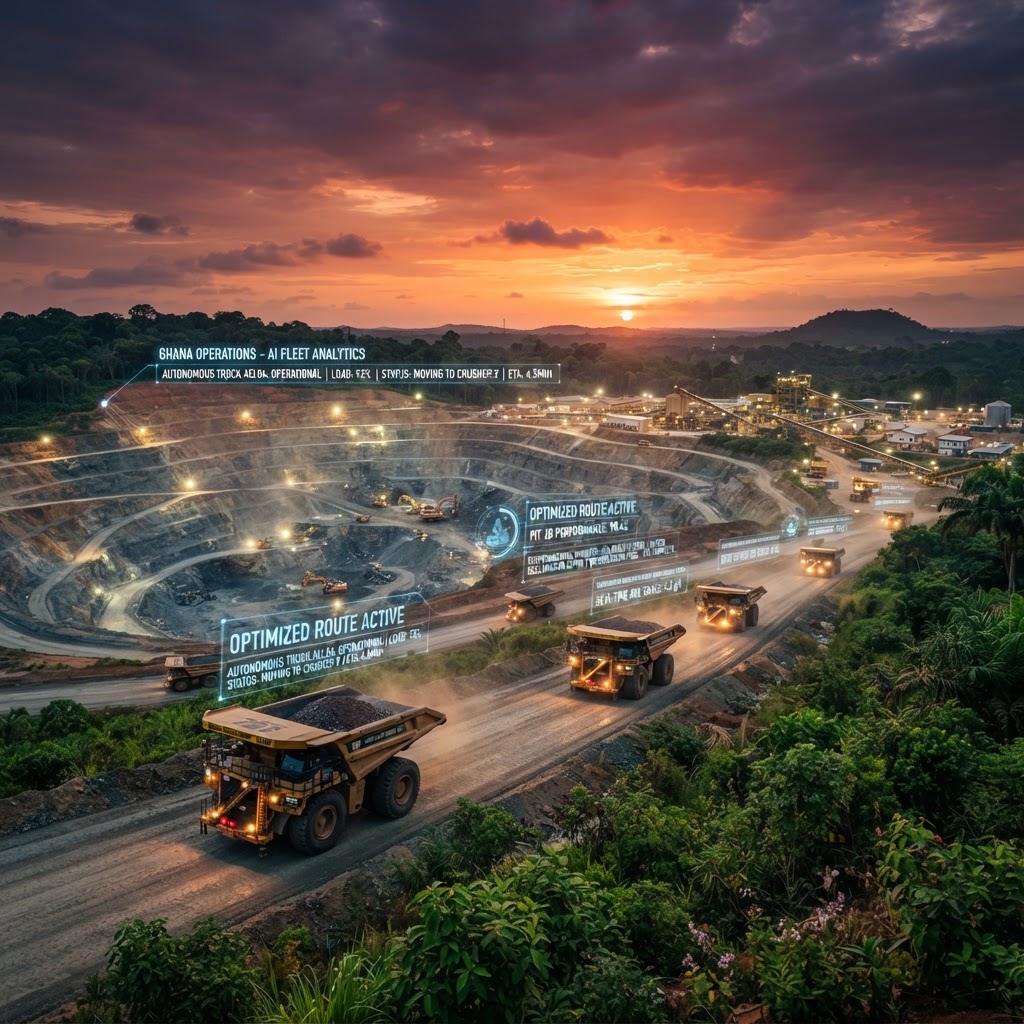
Automation is one of the most transformative forces in modern mining. Autonomous haulage systems (AHS), robotic drilling equipment, and automated loading machines are reducing the need for human operators to work in hazardous underground or open-pit environments.
In Ghana and other parts of Africa, early adopters are already deploying semi-autonomous equipment on large-scale mining sites. These machines operate around the clock without fatigue, reducing downtime and improving productivity. For a sector where operational efficiency directly translates to profitability, this is a game-changer.
Beyond heavy machinery, robotic systems are being used in ore sorting, sample analysis, and maintenance inspections — tasks that once required significant manpower and time.
2. Artificial Intelligence and Data Analytics
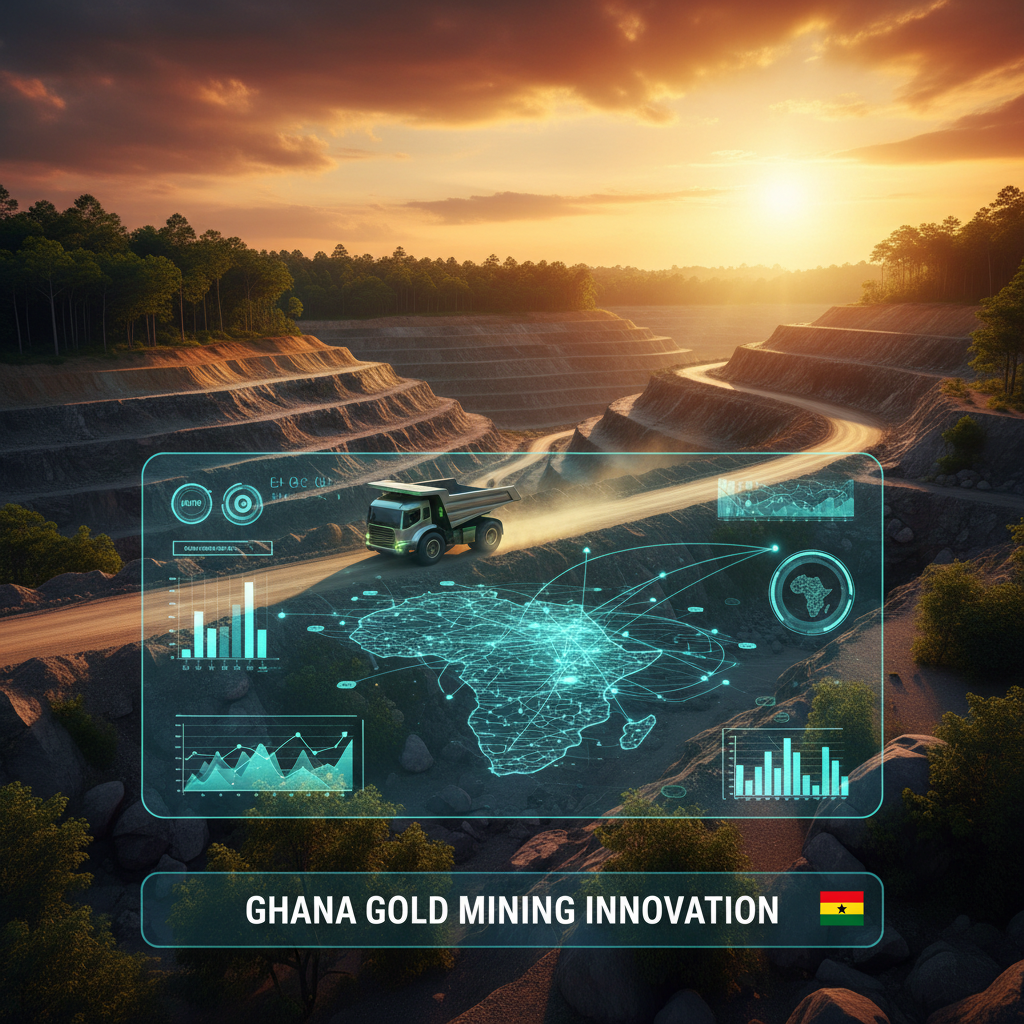
Artificial intelligence (AI) is quietly becoming one of the most powerful tools in the modern miner's toolkit. By analysing enormous datasets — from geological surveys to real-time equipment sensors — AI systems can predict ore grades, optimise blasting patterns, and even forecast machinery failures before they occur.
In Ghana's mining industry, data analytics platforms are helping operations managers make better decisions faster. Rather than relying solely on historical experience or manual reporting, teams can now access dashboards that provide live insights into every corner of the mine.
Predictive maintenance, powered by AI, is particularly valuable. When a processing plant's equipment fails unexpectedly, the financial cost can be enormous. AI tools can detect early warning signs and prompt maintenance teams to act before a breakdown happens — saving companies millions of cedis annually.
3. Drone Technology for Surveying and Monitoring
Unmanned aerial vehicles (UAVs), commonly known as drones, have found a powerful application in the mining industry. In Ghana, where mining sites can stretch across difficult terrain, drones offer a fast, cost-effective, and safe method of aerial surveying.
Drones equipped with LiDAR sensors and high-resolution cameras can generate accurate 3D maps of mining sites in a fraction of the time that traditional ground surveys take. This data is invaluable for planning excavations, monitoring stockpile volumes, tracking environmental rehabilitation progress, and conducting safety inspections in areas too dangerous for human access.
For small and mid-scale mining operations across West Africa, drone technology offers a particularly appealing entry point into the broader world of digital mining — relatively affordable, easy to deploy, and immediately impactful.
4. Environmental Monitoring and Clean Mining Technology
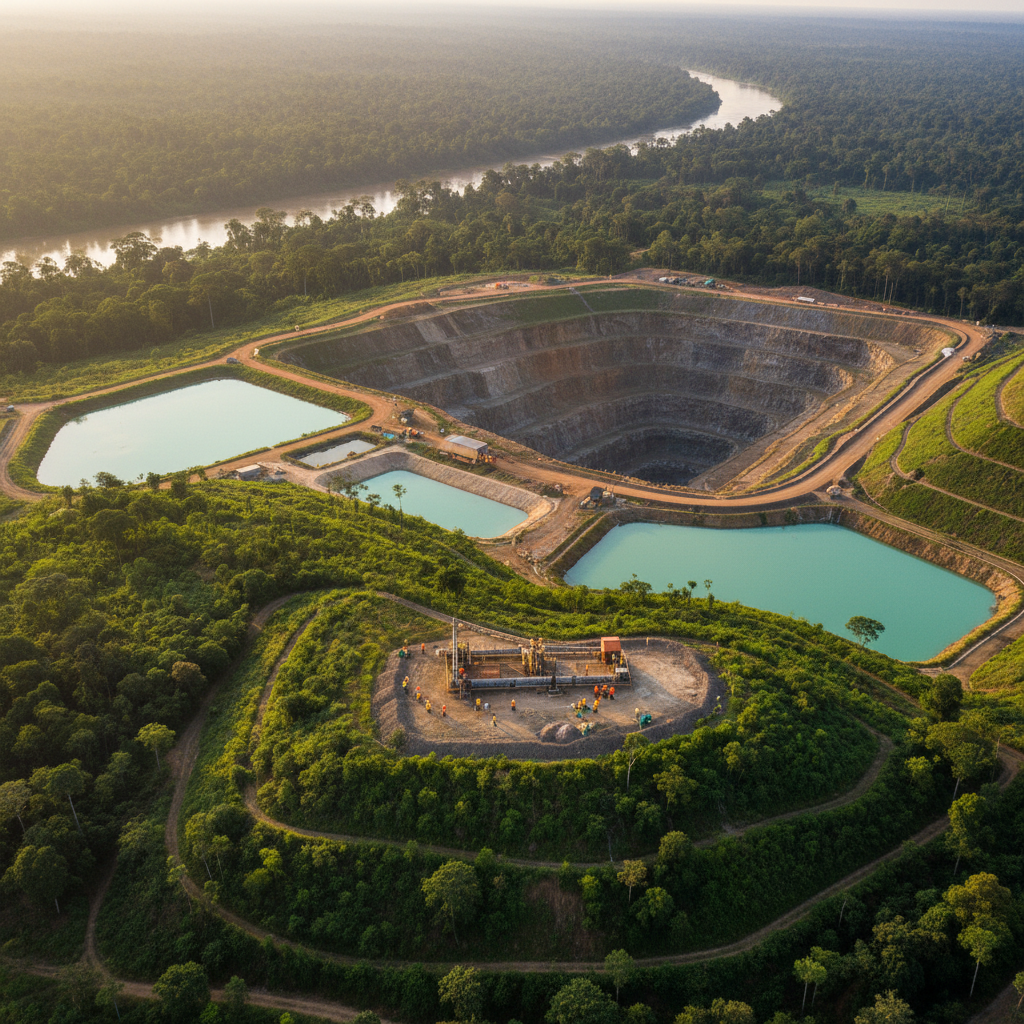
Sustainability is no longer optional in today's mining environment. Governments, investors, and communities are demanding that mining companies operate responsibly. In Ghana, the Environmental Protection Agency (EPA) enforces strict regulations on water use, land reclamation, and emissions — and rightly so.
Clean mining technology is helping companies comply with these regulations while also improving their reputation and long-term viability. Real-time water quality sensors can detect contamination early. Tailings management systems reduce the risk of environmental disasters. Solar-powered mine sites and hybrid energy solutions are cutting carbon footprints and energy costs simultaneously.
For a company like Gido Mining Ltd, which operates with a deep commitment to community and environmental responsibility, these technologies align perfectly with our values and our vision for sustainable mining in Ghana.
5. Digital Twin Technology
One of the more exciting and rapidly maturing technologies in mining is the concept of the "digital twin" — a virtual replica of a physical mine that mirrors real-world conditions in real time.
Using sensor data, geological models, and operational inputs, a digital twin allows engineers and managers to simulate different scenarios before implementing them on the ground. Want to test a new blasting configuration? Try it in the digital environment first. Planning a new shaft? Model it virtually and identify potential issues before breaking ground.
Digital twins are particularly powerful for training purposes as well. New operators can familiarise themselves with a mine's layout and systems in a risk-free virtual environment before ever setting foot underground.
6. Blockchain for Supply Chain Transparency
Conflict minerals and unethical sourcing remain serious concerns globally, and Ghana's mining industry is not immune to scrutiny. Blockchain technology is emerging as a solution that can provide end-to-end transparency in mineral supply chains.
By recording every transaction and transfer of custody on an immutable digital ledger, blockchain allows buyers, regulators, and the public to trace a mineral from the mine to the market. This is increasingly important for Ghana's gold sector, where international buyers and refiners demand proof of responsible sourcing.
Challenges to Technology Adoption in Ghana's Mining Sector
Despite the enormous potential, the road to widespread mining technology adoption in Ghana is not without obstacles.
Infrastructure gaps remain a challenge in many mining regions, particularly regarding reliable internet connectivity and power supply. Running advanced digital systems requires stable infrastructure — something that is still being developed in parts of rural Ghana.
Skills and talent are another consideration. Deploying sophisticated technology requires technically trained personnel. The good news is that Ghana has a growing pool of engineering and technology graduates, and companies that invest in training and local capacity building will be well-positioned for the future.
Capital investment is a genuine barrier for smaller operators. Not every mining company can afford to implement full automation or AI platforms overnight. However, the industry is seeing a shift toward more accessible, modular technology solutions that can be adopted incrementally.
Gido Mining Ltd: Embracing the Future of Mining
At Gido Mining Ltd, we are not observers of this technological revolution — we are active participants. Our approach to mining is built on the belief that doing things the right way means embracing innovation, protecting our people, preserving our environment, and delivering value to the communities and stakeholders who depend on us.
We are committed to continuously evaluating and integrating relevant technologies into our operations — not for the sake of appearing modern, but because we genuinely believe it makes us better miners, better employers, and better corporate citizens in Ghana.
The future of mining in Africa is bright. With the right combination of natural resources, growing expertise, and smart technology adoption, Ghana has every opportunity to lead the continent's mining industry into a new era of productivity and responsibility.
The Road Ahead: A Technology-Driven Mining Future for Africa
The global mining industry is undergoing a fundamental transformation. The companies and countries that recognise this and act accordingly will define the future of resource extraction in Africa.
For Ghana, the opportunity is significant. As one of the continent's most established mining nations, with a regulatory framework, growing expertise, and a wealth of natural resources, the stage is set for a technology-driven leap forward.
The integration of AI, automation, drones, digital twins, and clean technology is not about replacing Ghanaian workers — it is about empowering them. It is about creating safer workplaces, more efficient operations, and an industry that can proudly hold its head high on the world stage.
At Gido Mining Ltd and across the GIDO Group family of companies, we are proud to be part of this journey. We invite you to follow our story as we continue to innovate, invest, and build a stronger mining future for Ghana and Africa.