Gold Mining in Africa: Opportunities, Challenges, and the Future of the Industry
Africa has long been synonymous with gold. Long before the first European explorers set foot on the continent, African kingdoms were trading in gold, building empires, and attracting merchants from across the known world. Today, that same golden legacy continues — only now it plays out through modern mining operations, foreign direct investment, and the complex interplay of economic development and environmental responsibility.
From the sun-baked landscapes of Ghana's Western Region to the deep underground shafts of South Africa's Witwatersrand Basin, gold mining in Africa remains one of the most significant — and most scrutinized — industries on the continent. At Gido Mining Ltd, a subsidiary of GIDO Group Ltd, we believe that mining done right can be a powerful engine for community growth, national prosperity, and long-term sustainability.
In this article, we take a thorough look at the state of gold mining in Africa: where the opportunities lie, what challenges the industry must overcome, and how forward-thinking companies are reshaping the future of gold extraction on the continent.
Africa's Golden Legacy: A Continent Rich in Reserves
Africa accounts for roughly 20 to 25 percent of the world's total gold production each year. That's a staggering figure — and it barely scratches the surface of what lies beneath the continent's soil. Geological surveys consistently show that large portions of Sub-Saharan Africa sit on some of the most gold-rich rock formations in the world.
The Major Gold-Producing Nations
While South Africa was historically the world's top gold producer, the landscape has shifted considerably over the past two decades. Today, several African nations compete fiercely for the top spot:
- Ghana — Often called the "Gateway to West African Gold," Ghana is consistently ranked among the top three gold producers on the continent. The country's Ashanti Gold Belt is world-renowned, and Ghana's regulatory environment has made it a preferred destination for both large-scale and artisanal miners.
- South Africa — Despite declining output in recent years, South Africa's deep-level mines remain some of the most technically sophisticated in the world. The country has centuries of mining heritage.
- Tanzania — Home to significant gold deposits in the Lake Victoria Goldfields, Tanzania has attracted major international mining houses and continues to expand its production capacity.
- Mali and Burkina Faso — West Africa's Sahel region holds enormous untapped potential, though political instability has complicated investment in recent years.
- Sudan and Ethiopia — Emerging markets in East Africa are drawing growing attention from explorers and investors looking ahead to the next decade.
For Ghana specifically, gold is not just an industry — it is a cornerstone of national identity and economic policy. The country earned the nickname "Gold Coast" from European traders centuries ago, and that name still rings true today.
Why Investors Are Looking to Africa for Gold
The global demand for gold remains robust. Whether driven by jewelry markets in Asia, investment demand in Western financial institutions, or the growing use of gold in electronics and green energy technologies, the appetite for this precious metal shows no sign of cooling.
Africa's gold deposits offer compelling advantages for investors and mining companies:
Untapped and Underexplored Reserves
Unlike many mature mining jurisdictions in Australia or Canada, large sections of Africa remain geologically underexplored. Advances in aerial geophysical surveying and remote sensing technology are opening up new corridors that were previously inaccessible or unknown. This means the discovery pipeline for new gold deposits in Africa is still very much alive.
Competitive Operating Costs
Labor costs, while rising, remain competitive in many African countries relative to Western mining jurisdictions. Combined with favorable ore grades in certain regions, this can translate into attractive all-in sustaining costs (AISC) for well-managed operations.
Supportive Regulatory Frameworks
Countries like Ghana have invested heavily in building transparent, investor-friendly mining regulations. The Minerals Commission of Ghana, for instance, offers a structured licensing process, clear royalty frameworks, and active engagement with both domestic and international mining companies. This kind of regulatory certainty is exactly what responsible investors need.
The Challenges Facing Gold Mining in Africa
Of course, the story of gold mining in Africa is not without its complications. Any honest conversation about the industry must grapple with the real challenges that miners, governments, and communities face every day.
Artisanal and Small-Scale Mining (ASM)
Across West Africa, millions of people depend on artisanal and small-scale mining for their livelihoods. In Ghana alone, the phenomenon known locally as "galamsey" — illegal small-scale gold mining — has become a national crisis. Unregulated mining activities have polluted rivers, degraded farmland, and contributed to serious public health problems in affected communities.
Addressing ASM is not simply a law enforcement issue. It requires thoughtful policy design, alternative livelihood programs, and genuine partnership between government, civil society, and responsible mining companies. At Gido Mining Ltd, we recognize that coexisting constructively with artisanal miners and the communities around our operations is not optional — it is essential.
Infrastructure Deficits
Mining operations require reliable power, good roads, access to water, and functioning ports. In many parts of Africa, these fundamentals remain underdeveloped. This adds to capital costs and operational complexity, particularly for companies working in more remote or frontier regions.
Environmental and Social Governance (ESG) Pressures
Global investors are placing increasing scrutiny on the ESG credentials of mining companies. Institutional funds, development finance institutions, and even retail investors want to know that the gold they are financing is not coming at the cost of destroyed ecosystems or displaced communities. African mining companies that can demonstrate credible ESG performance will have a significant competitive advantage in accessing capital.
Political and Regulatory Risk
While countries like Ghana offer relative stability, other parts of the continent have seen mining projects disrupted by changes in government, abrupt policy shifts, or outright conflict. Doing thorough political risk analysis and building strong relationships with host governments and communities remains critical for any mining operation in Africa.
Sustainable Gold Mining: The Path Forward
Despite these challenges, there is genuine optimism about the future of gold mining in Africa — particularly among companies that are serious about operating sustainably and responsibly.
Technology and Innovation
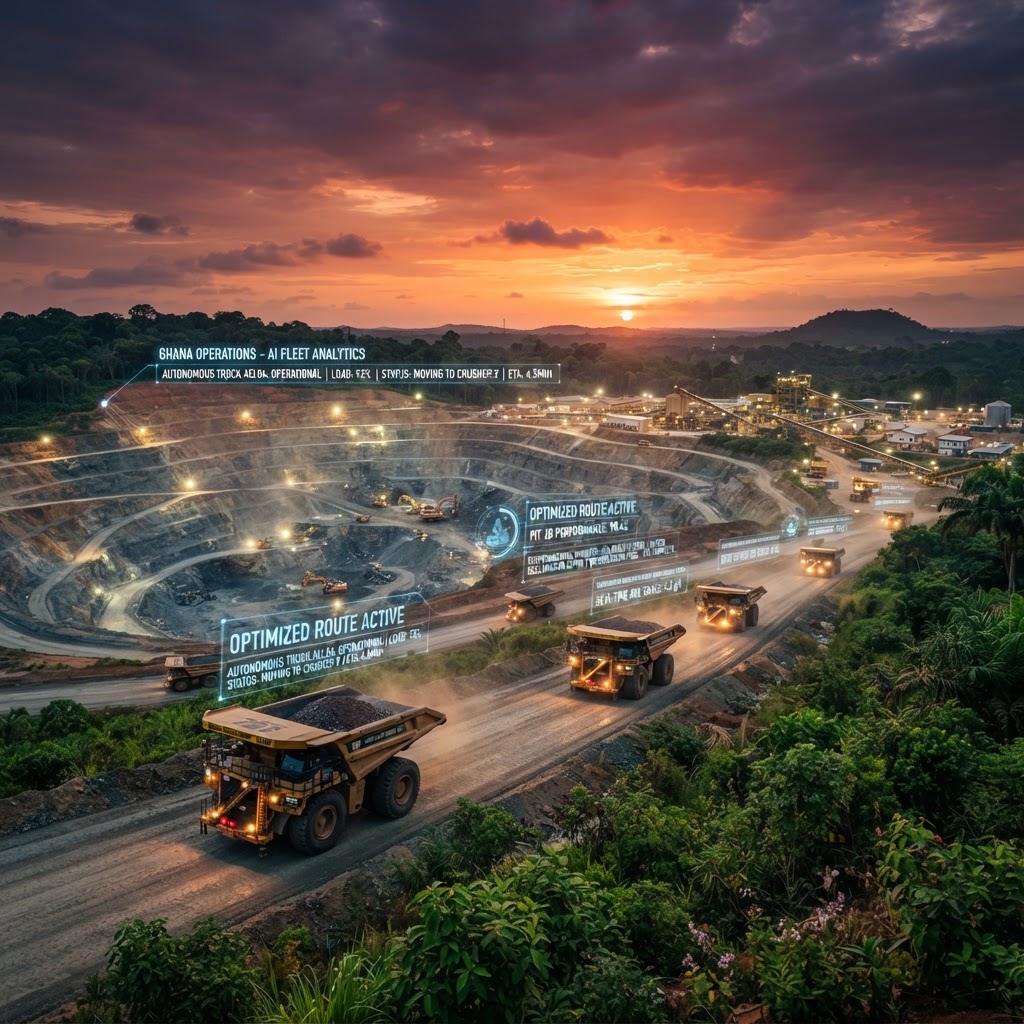
Modern gold mining is nothing like the labor-intensive, environmentally destructive image that many people still carry in their minds. Today's leading operations use advanced ore sorting technology, real-time environmental monitoring systems, drone-based surveying, and data-driven processing techniques that dramatically reduce waste and increase efficiency.
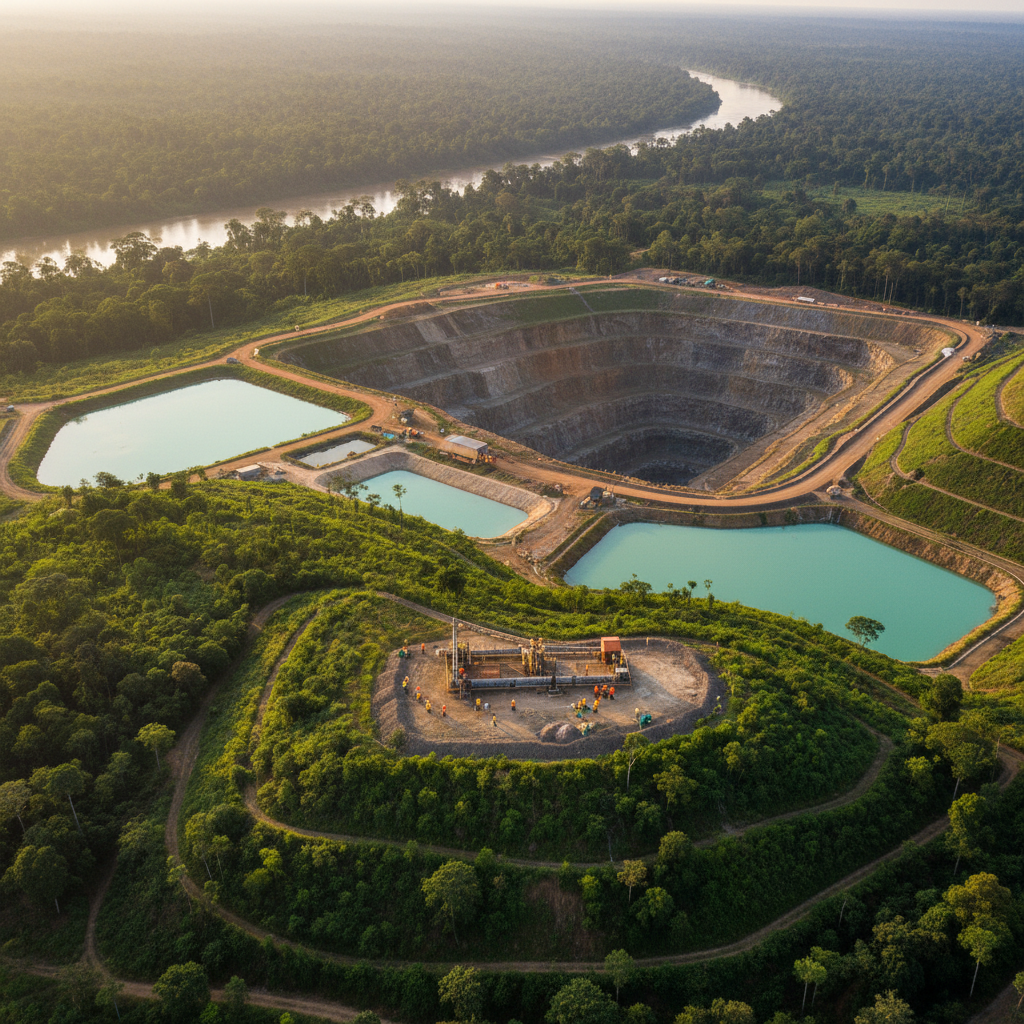
In Ghana, investments in cyanide management systems, tailings storage facilities, and mine water recycling infrastructure have significantly reduced the environmental footprint of large-scale operations. These are not just good-for-the-planet choices — they are increasingly good-for-business choices as well.
Community Development as a Core Strategy
The most successful mining companies operating in Africa today understand that community relations are not a PR exercise — they are a fundamental operational requirement. When communities around a mine feel genuinely included in the benefits of mining — through jobs, infrastructure investment, local procurement, and meaningful consultation — they become partners in the success of the operation rather than potential adversaries.
At Gido Mining Ltd, our approach to community engagement is built on long-term thinking. We invest in local education, support small businesses in our supply chain, and work closely with traditional authorities and district assemblies to ensure that our presence creates lasting value beyond the life of the mine.
The Role of African Governments
Governments across the continent are increasingly focused on ensuring that a larger share of mining revenues stays within their borders. Local content policies, beneficiation requirements, and revised royalty structures are all tools that African governments are deploying to maximize value from their mineral wealth.
Done well, this kind of resource nationalism can be a powerful development tool. Done poorly, it can drive away the investment needed to develop deposits in the first place. The sweet spot lies in building genuine partnerships between governments, communities, and responsible mining companies — partnerships built on trust, transparency, and shared long-term goals.
Gido Mining Ltd: Our Commitment to Responsible Gold Mining in Ghana
As part of the GIDO Group Ltd family of companies, Gido Mining Ltd is deeply committed to the responsible development of Ghana's mineral resources. We bring professional expertise, modern technology, and a genuine respect for the communities and environments in which we operate.
We believe that Ghana's gold sector has an exciting future — one that can deliver real, lasting prosperity for Ghanaian families and communities while meeting the world's demand for responsibly sourced gold. That belief is not just a mission statement. It drives every decision we make, from exploration planning to environmental rehabilitation.
Gold mining in Africa is at an inflection point. The companies and countries that embrace sustainability, transparency, and genuine partnership will thrive. Those that do not will find themselves increasingly left behind — by investors, by regulators, and by the communities they depend on.
The golden opportunity is real. The question is whether we will seize it wisely.