The Rising Giant: Why Logistics in Africa Matters More Than Ever
There is something quietly remarkable happening across Africa right now. Ports are expanding. Roads are being built. Warehouses are filling up. And businesses — from small traders in Accra to multinational corporations in Nairobi — are waking up to the reality that how goods move is just as important as what goods are being moved.
Logistics in Africa is no longer a footnote in the global supply chain conversation. It is becoming a headline.
With a population exceeding 1.4 billion people, a growing middle class, and the African Continental Free Trade Area (AfCFTA) now operational, the continent is positioning itself as one of the world's most exciting economic frontiers. And at the heart of all of this movement — literally and figuratively — is logistics.
For companies like Gido Logistics Ltd, a proud member of the GIDO Group Ltd family based in Ghana, this moment represents not just opportunity, but responsibility. The responsibility to build supply chains that are reliable, efficient, and genuinely transformative for African businesses and communities.
Understanding the African Logistics Landscape
Before we can talk about where African logistics is going, it helps to understand where it has been — and where the challenges still live.
Infrastructure: The Backbone That Is Still Being Built
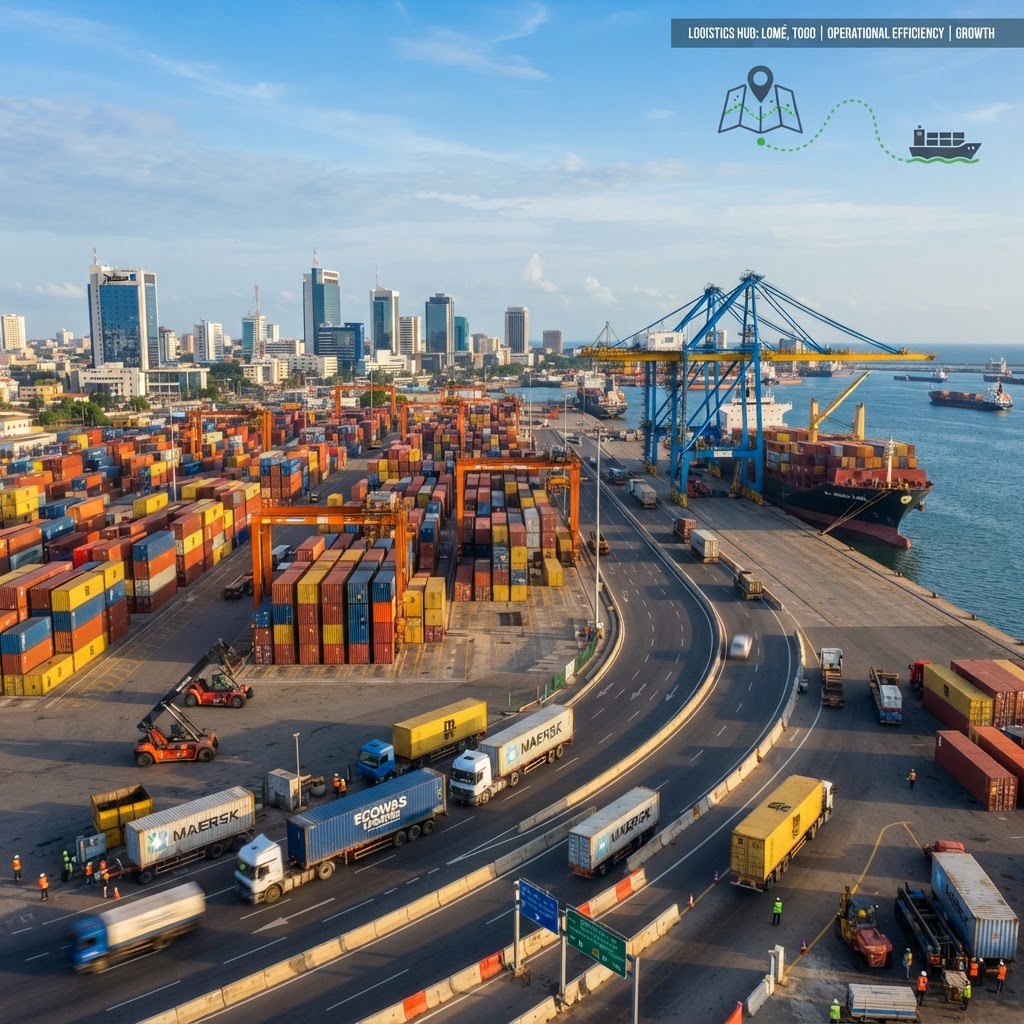
One of the most frequently cited challenges in African logistics is infrastructure. Roads connecting rural production areas to urban markets can be unpaved or poorly maintained. Rail networks, once promising, have suffered from decades of underinvestment in many countries. Port congestion — particularly at major hubs like Tema in Ghana, Apapa in Nigeria, and Mombasa in Kenya — has historically added days or even weeks to delivery timelines.
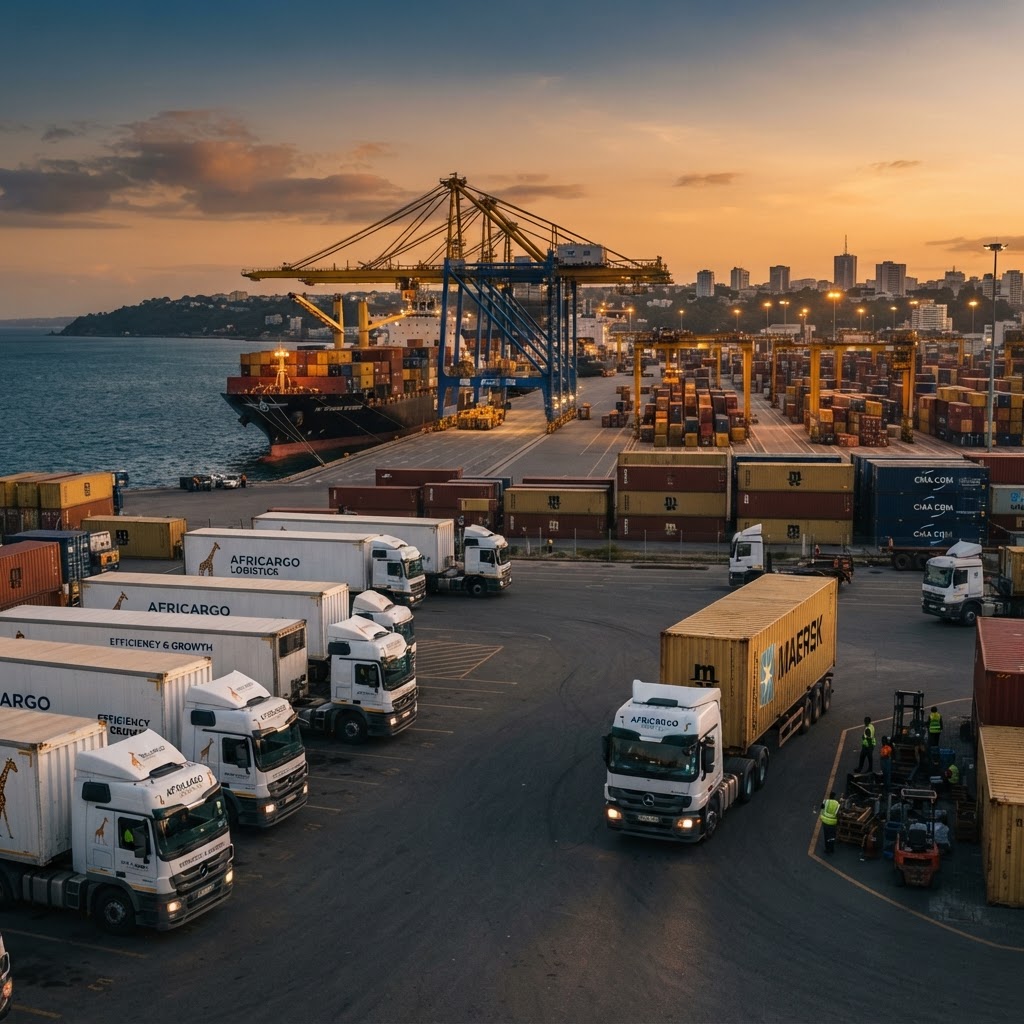
But here is the thing about infrastructure challenges: they are being addressed. Ghana's government, for instance, has invested heavily in road construction and port modernization at the Tema Port, one of West Africa's busiest. The Tema Port Expansion Project has significantly increased container handling capacity, reducing wait times and improving the flow of goods in and out of the country.
Across the continent, similar investments are underway. Ethiopia has built a new rail link to Djibouti. Tanzania is expanding the Port of Dar es Salaam. Morocco's Tanger Med has become one of Africa's most sophisticated logistics hubs, connecting the continent to European and global trade routes.
Infrastructure is still a work in progress, yes. But the work is happening — and it is accelerating.
The AfCFTA Effect: Opening Borders, Creating Corridors
The African Continental Free Trade Area is perhaps the single most significant policy development for logistics on the continent in a generation. By reducing tariffs and harmonizing trade regulations across 54 member states, AfCFTA is creating the conditions for intra-African trade to flourish in ways it never has before.
Historically, it has often been cheaper and easier for African countries to trade with Europe or Asia than with each other. That is a remarkable and somewhat uncomfortable fact. AfCFTA aims to change it fundamentally.
For logistics providers operating in Ghana and across West Africa, this shift creates enormous opportunity. New trade corridors are emerging. Demand for cross-border freight forwarding, customs clearance expertise, and regional warehousing solutions is growing. Businesses that once imported from overseas are exploring sourcing from neighboring African nations — and they need reliable logistics partners to make that happen.
Key Sectors Driving Logistics Demand in Africa
Not all sectors are equal when it comes to logistics demand. Some industries are growing faster than others, and understanding where the pressure points are helps logistics companies like Gido Logistics deliver smarter, more targeted solutions.
Agriculture and Agribusiness
Africa feeds itself — and increasingly, feeds the world. The continent holds approximately 60% of the world's uncultivated arable land, and agricultural exports remain a cornerstone of many African economies. Ghana exports cocoa, cashews, and various fresh produce. Kenya exports tea, coffee, and flowers. Ethiopia is one of the world's largest coffee producers.
But getting agricultural produce from farm to market — or from port to overseas buyer — requires a cold chain and time-sensitive logistics network that is still being developed in many parts of the continent. Reducing post-harvest losses through better logistics is not just a business opportunity; it is a food security issue of real consequence.
Retail and E-Commerce
Mobile money has transformed financial inclusion in Africa. And mobile commerce is now doing something similar to retail. Platforms like Jumia have demonstrated that African consumers are willing and eager to shop online — but fulfillment and last-mile delivery remain significant challenges.
Urban delivery in cities like Accra, Lagos, and Nairobi can be complicated by traffic, addressing systems that are inconsistent, and the sheer density of informal settlements. Innovative logistics companies are finding creative solutions — motorbike couriers, local pickup hubs, and real-time tracking systems — to close the last-mile gap.
Mining and Natural Resources
Ghana is one of Africa's top gold producers. The continent holds vast reserves of oil, gas, minerals, and precious metals. Moving heavy equipment to mining sites and finished resources to export terminals requires specialized heavy haulage and logistics expertise. This is a high-value, high-stakes segment where reliability and experience are non-negotiable.
How Technology Is Transforming African Logistics
If infrastructure is the hardware of African logistics, technology is rapidly becoming the software.
GPS tracking and real-time fleet management systems are now commonplace among leading logistics providers, giving clients visibility into where their shipments are at every stage of the journey. Digital customs platforms are reducing paperwork and processing times at borders. Warehouse management systems are optimizing storage and picking operations.
Drone delivery, while still nascent, is already being tested for medical supply delivery in Rwanda and Ghana — an inspiring example of Africa leapfrogging traditional infrastructure limitations with innovative technology.
For Gido Logistics, embracing technology is not optional. It is essential. Our clients expect real-time information, digital documentation, and seamless communication. We are investing in the tools and platforms that make this possible, because we believe that the future of logistics in Africa is data-driven, transparent, and customer-focused.
Gido Logistics: Built for Africa, Ready for the World
At Gido Logistics Ltd, we are not just observers of Africa's logistics transformation — we are active participants in it.
Based in Ghana and operating across the region, we provide a comprehensive range of logistics services including freight forwarding, customs brokerage, warehousing, distribution, and supply chain consulting. We understand the nuances of doing business in West Africa — the regulatory environment, the cultural dynamics, the infrastructure realities — because we live and work here every day.
What sets us apart is not just what we do, but how we do it. We approach every client relationship as a partnership. We do not offer one-size-fits-all solutions. We listen, we assess, and we design logistics strategies that are tailored to your specific needs and goals.
Whether you are a Ghanaian manufacturer looking to export to other African markets under AfCFTA, an international company importing goods into West Africa, or an e-commerce business seeking reliable last-mile delivery in Accra and beyond — Gido Logistics has the expertise, the network, and the commitment to get it done.
The Road Ahead: Optimism Grounded in Reality
Africa's logistics sector still faces real challenges. Infrastructure gaps persist. Bureaucratic inefficiencies at some borders remain frustrating. Financing for logistics businesses can be difficult to access. And the talent pipeline — skilled logistics professionals with expertise in modern supply chain management — needs to be continuously developed.
But the trajectory is unmistakably positive. Investment is flowing in. Governments are prioritizing trade facilitation. A new generation of African entrepreneurs and logistics professionals is bringing energy, innovation, and ambition to the sector.
The continent that was once described as difficult to do business in is becoming, year by year, a place where the right logistics partner can help you build something extraordinary.
At Gido Logistics and the broader GIDO Group Ltd family, we are excited about what is coming. We are building the infrastructure, the relationships, and the capabilities to be your trusted logistics partner — not just in Ghana, but across the African continent.
Because Africa is not just the future. In logistics, Africa is happening right now.
Ready to talk about your logistics needs in Ghana or across Africa? Contact Gido Logistics Ltd today and let's build your supply chain together.