The Rise of Real Estate Construction in Ghana
Ghana is building. From the sun-baked streets of Kumasi to the buzzing corridors of Accra's East Legon, cranes are rising, foundations are being poured, and communities are taking shape one brick at a time. Real estate construction in Ghana has evolved from a luxury pursuit into a national necessity — and for good reason.
The country's population is growing rapidly, urbanisation is accelerating, and a rising middle class is demanding quality housing, commercial spaces, and mixed-use developments. At Gido Construction Ltd, a proud subsidiary of GIDO Group Ltd, we sit right at the heart of this transformation. We don't just construct buildings — we build futures.
But what does it really take to navigate real estate construction in Ghana? Whether you're a first-time homeowner, a seasoned property investor, or a developer eyeing the next big project in West Africa, this guide is for you.
Why Real Estate Construction Matters in Ghana's Economy
Construction is one of Ghana's most dynamic economic sectors. According to the Ghana Statistical Service, the construction industry contributes significantly to the country's GDP, employing hundreds of thousands of Ghanaians directly and indirectly. Beyond the numbers, real estate construction creates tangible impact — hospitals, schools, homes, offices, and infrastructure that people actually use every day.
The Housing Deficit Problem
Ghana faces an estimated housing deficit of nearly two million units, a figure that has been growing steadily over the past decade. Urban centres like Accra, Kumasi, Takoradi, and Tamale are expanding faster than housing supply can keep up. This creates both a social challenge and a massive opportunity.
For developers and construction companies, the housing gap signals long-term demand. For families, it means that building your own home — rather than renting indefinitely — may be one of the smartest financial decisions you can make. Real estate construction, when done right, is not just a service. It is a solution.
Real Estate as an Investment Vehicle
Property in Ghana has historically been one of the most resilient investment classes. Unlike stocks or currency, a well-built structure retains and often appreciates in value. Real estate construction, therefore, is not simply about having a roof over your head. It is about creating assets that grow in worth over time, generate rental income, and provide financial security for generations.
Understanding the Real Estate Construction Process in Ghana
Many people underestimate the complexity of a construction project. It is not just about mixing cement and laying blocks. Real estate construction is a multi-phase process that requires careful planning, professional expertise, regulatory compliance, and consistent quality control.
Phase 1: Feasibility and Site Selection
Before a single foundation is dug, every successful construction project begins with a feasibility study. This involves assessing the land's suitability, conducting soil tests, evaluating access to utilities like water and electricity, and understanding local zoning regulations.
In Ghana, land tenure can be complex. It is important to work with legal professionals and surveyors who understand the local system — whether land is stool land, family land, or privately held. At Gido Construction Ltd, we guide our clients through this initial phase to ensure their investment starts on solid legal and physical ground.
Phase 2: Design and Planning
Once the site is secured, the design phase begins. Architects, structural engineers, and mechanical and electrical engineers collaborate to produce detailed drawings and specifications. In Ghana's tropical climate, good design must account for heat, humidity, natural ventilation, and seasonal rainfall.
Sustainable design is increasingly becoming a priority across Africa. More clients are asking for energy-efficient buildings with solar integration, rainwater harvesting systems, and materials that are locally sourced where possible. This is not just good for the environment — it reduces long-term operational costs.
Phase 3: Permitting and Regulatory Approvals
Construction in Ghana requires building permits from the relevant Municipal or Metropolitan Assembly. This process involves submitting architectural and engineering drawings for review, paying prescribed fees, and ensuring that the proposed development complies with the Ghana Building Code and local planning regulations.
Skipping or cutting corners on this step is a costly mistake many property owners regret. Unpermitted structures can be demolished by authorities, cannot be legally sold or mortgaged, and pose safety risks. Always build with full regulatory compliance.
Phase 4: Construction and Project Management
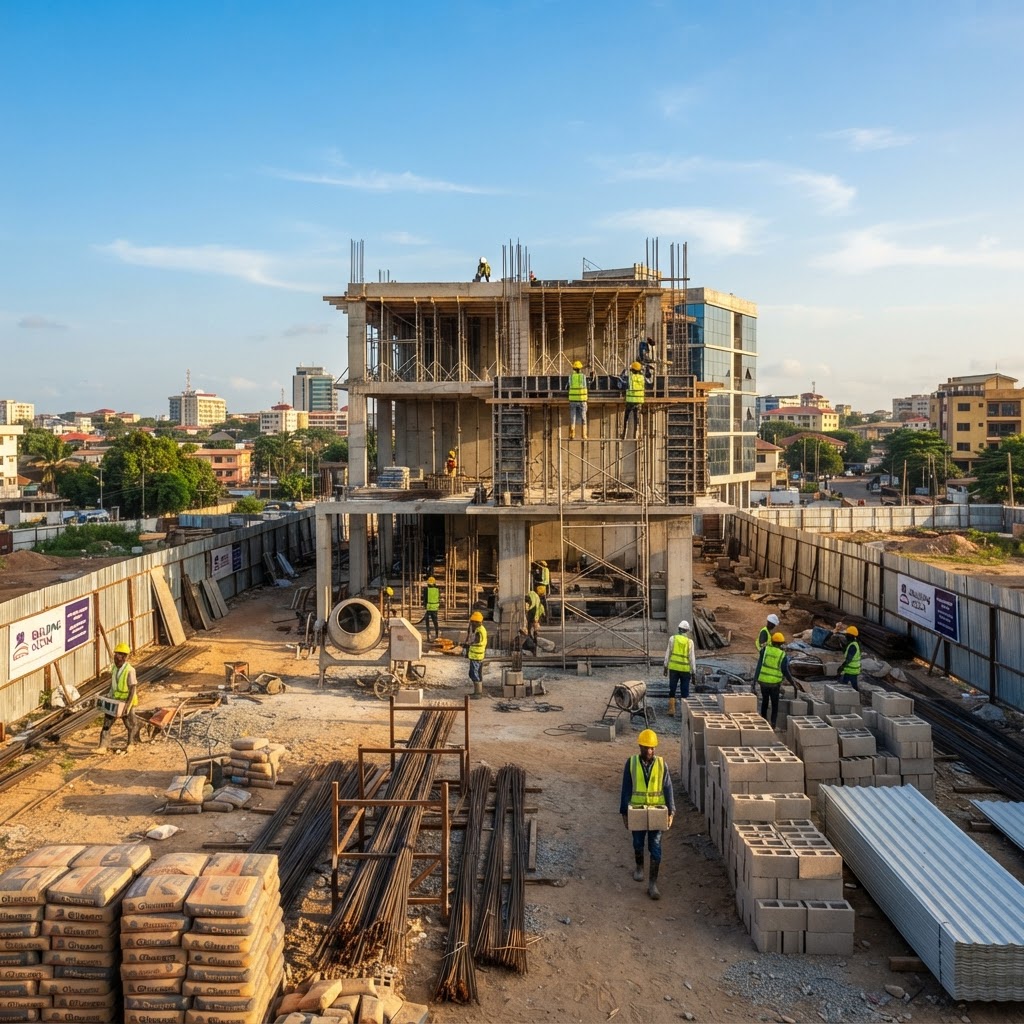
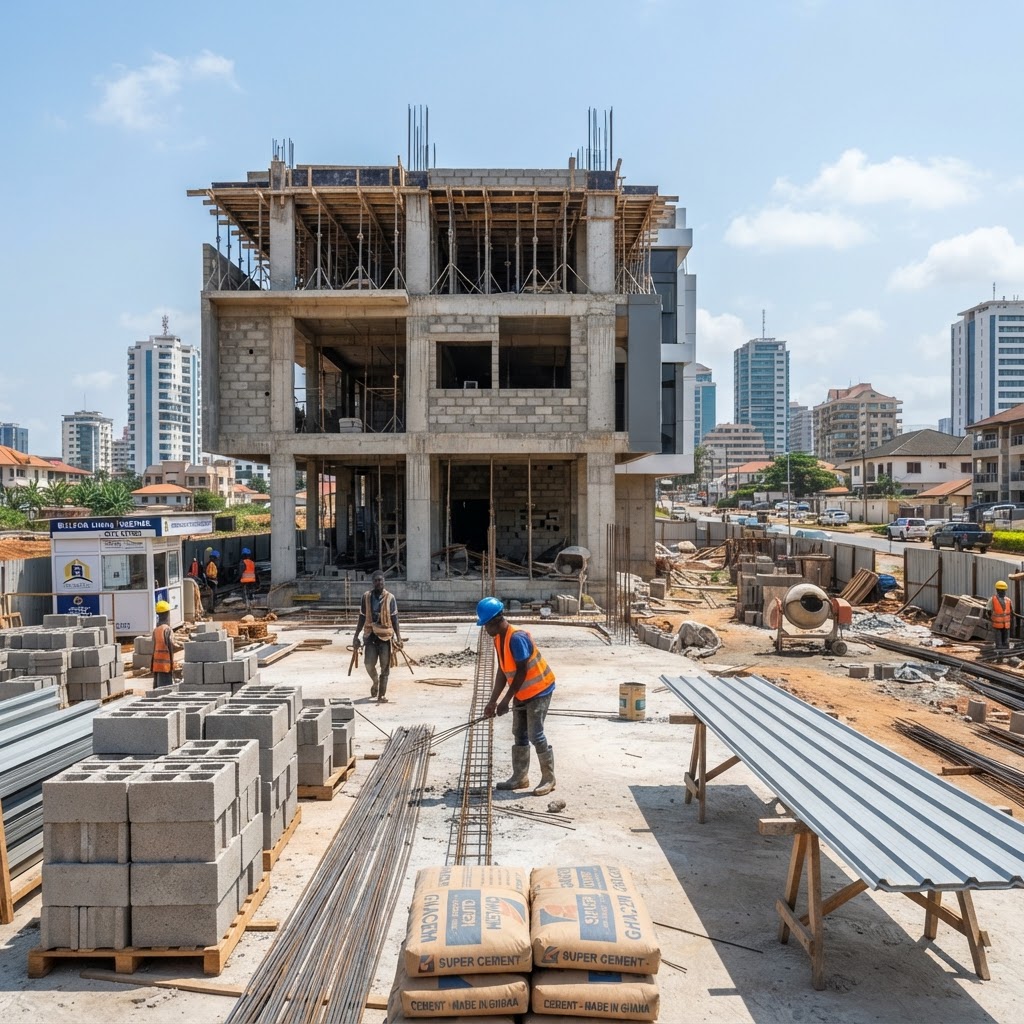
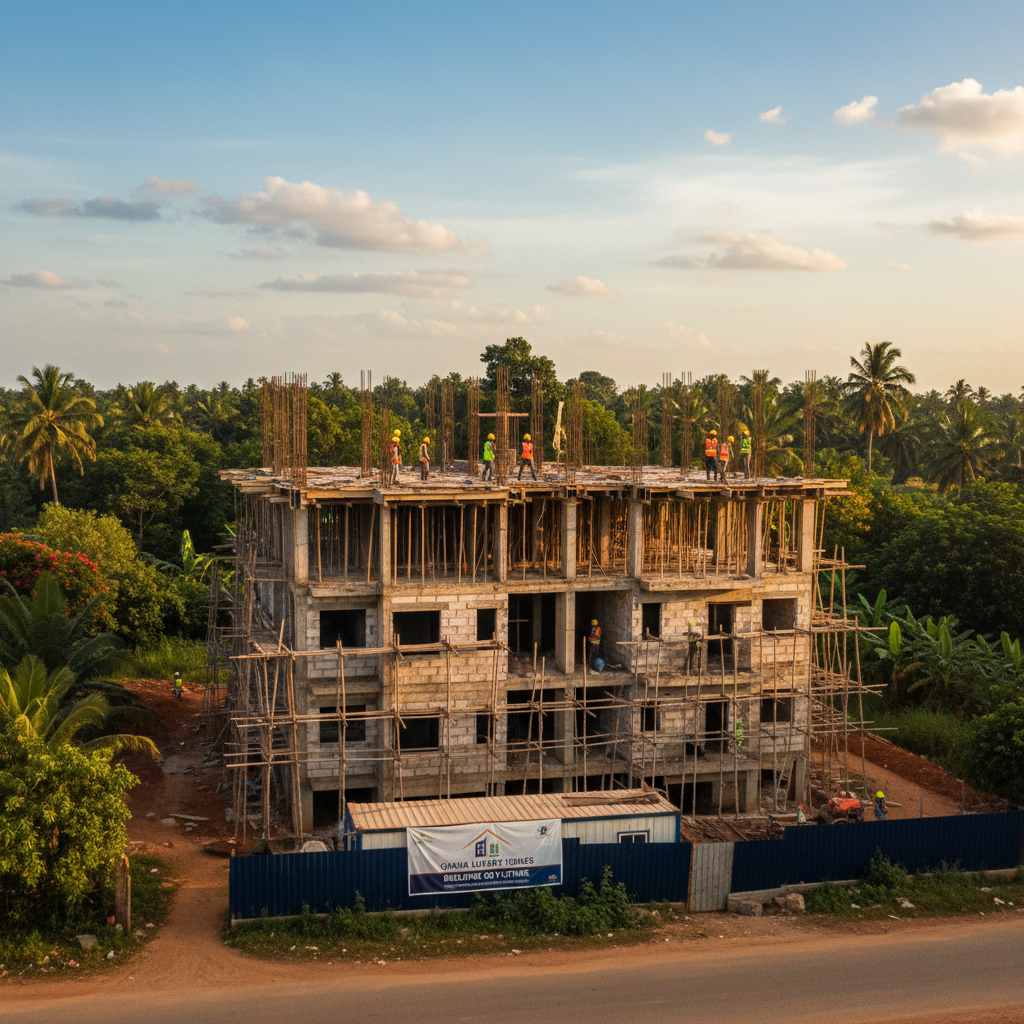
This is where the real action happens. A professional construction team mobilises on site, beginning with setting out, excavation, and foundation works. Depending on the type of structure — residential, commercial, or industrial — the construction timeline can range from a few months to several years.
Effective project management is the difference between a project that finishes on time and on budget, and one that becomes a financial nightmare. At Gido Construction Ltd, we deploy experienced project managers who coordinate every trade — from masonry and carpentry to plumbing, electrical, and finishing works — ensuring seamless execution from start to handover.
Phase 5: Quality Control and Finishing
Quality is non-negotiable. Every element of a building — the concrete mix, the steel reinforcement, the waterproofing, the tiles, the paintwork — contributes to its durability and value. Cutting costs on materials might save money today, but the repair bills and safety risks in the future are never worth it.
Finishing works, from flooring to fixtures, are what transform a structure into a home or a functional workspace. These details matter enormously to the end user and to the resale value of the property.
Key Trends Shaping Real Estate Construction in Ghana and Africa
Affordable Housing Developments
Governments and private developers across Africa are actively pursuing affordable housing initiatives. In Ghana, public-private partnerships are emerging as a model for delivering large-scale housing projects that cater to low and middle-income earners. Mixed-income communities, satellite towns, and modular housing are gaining traction.
Smart Building Technology
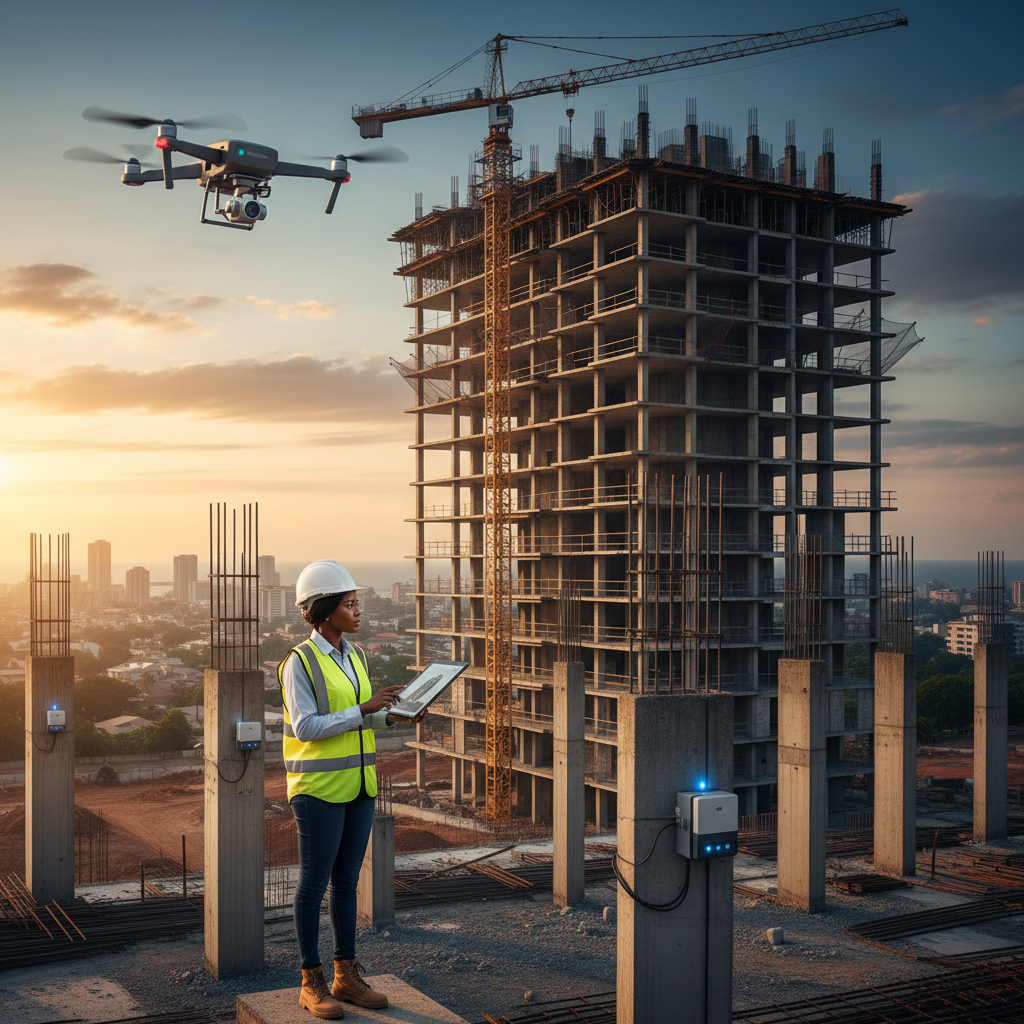
Smart homes and intelligent commercial buildings are no longer a foreign concept in Africa. From automated security systems to smart energy management, technology is being integrated into new developments across Ghana's major cities. The modern property buyer expects connectivity, efficiency, and innovation.
Green and Sustainable Construction
Climate change is a reality that Africa feels acutely. The construction industry is responding with greener practices — using locally made compressed earth blocks, optimising natural lighting to reduce electricity consumption, and designing stormwater management systems. Sustainable construction is both an ethical and a business imperative.
The Rise of Mixed-Use Developments
Across Accra and Kumasi, mixed-use developments that combine residential, retail, and office spaces are changing the urban landscape. These developments reduce commute times, create vibrant communities, and offer diverse revenue streams for investors.
Why Choose Gido Construction Ltd for Your Real Estate Project?
At Gido Construction Ltd, we bring together decades of experience, a multidisciplinary team, and a genuine commitment to quality. We understand Ghana's construction environment — the local materials, the regulatory landscape, the climatic conditions, and most importantly, the aspirations of our clients.
Whether you need a residential home in Accra, a commercial complex in Kumasi, or a large-scale development anywhere across Ghana and West Africa, our team delivers with professionalism, transparency, and pride in workmanship.
We are part of GIDO Group Ltd, a diversified conglomerate that brings cross-sector resources and expertise to every project we undertake. Our clients benefit not just from our construction capabilities, but from the broader group's strength in project financing, procurement, and facilities management.
Building in Ghana should be an empowering experience. With the right partner, it absolutely can be.
Tips for Anyone Planning a Real Estate Construction Project in Ghana
- Verify land title before you buy. Engage a licensed surveyor and a land lawyer to confirm ownership and boundaries.
- Budget for contingencies. Construction projects almost always encounter unforeseen costs. Keep a 10–15% contingency buffer.
- Hire qualified professionals. Work with licensed architects, engineers, and registered contractors.
- Understand your contract. Ensure your contract with a contractor clearly defines scope, timeline, payment terms, and dispute resolution.
- Visit the site regularly. Whether you are building a home or an investment property, stay engaged with the project's progress.
- Do not compromise on structure. The foundation, columns, and beams are the skeleton of your building. Never cut costs here.
Conclusion: Build With Vision, Build With Gido
Real estate construction in Ghana is one of the most powerful ways to create wealth, support communities, and contribute to the nation's development. The opportunities are immense, the demand is real, and the potential for long-term returns is compelling.
But great buildings do not happen by accident. They are the result of deliberate planning, skilled execution, and a construction partner who truly cares about the outcome. At Gido Construction Ltd, we bring all of that to the table — and we are ready to build your vision into something extraordinary.
Reach out to us today and let's start the conversation about your next real estate construction project in Ghana.