The Future Is Already Being Built — Are You Ready?
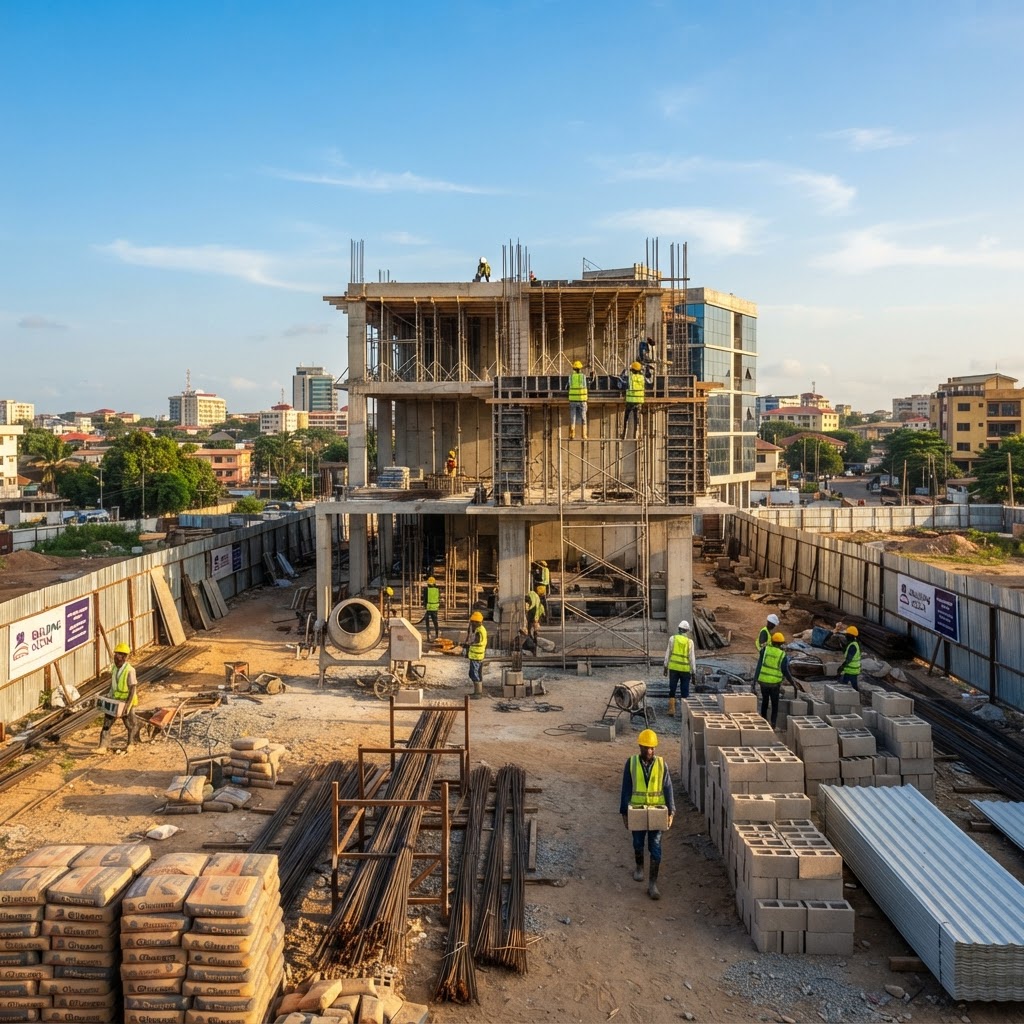
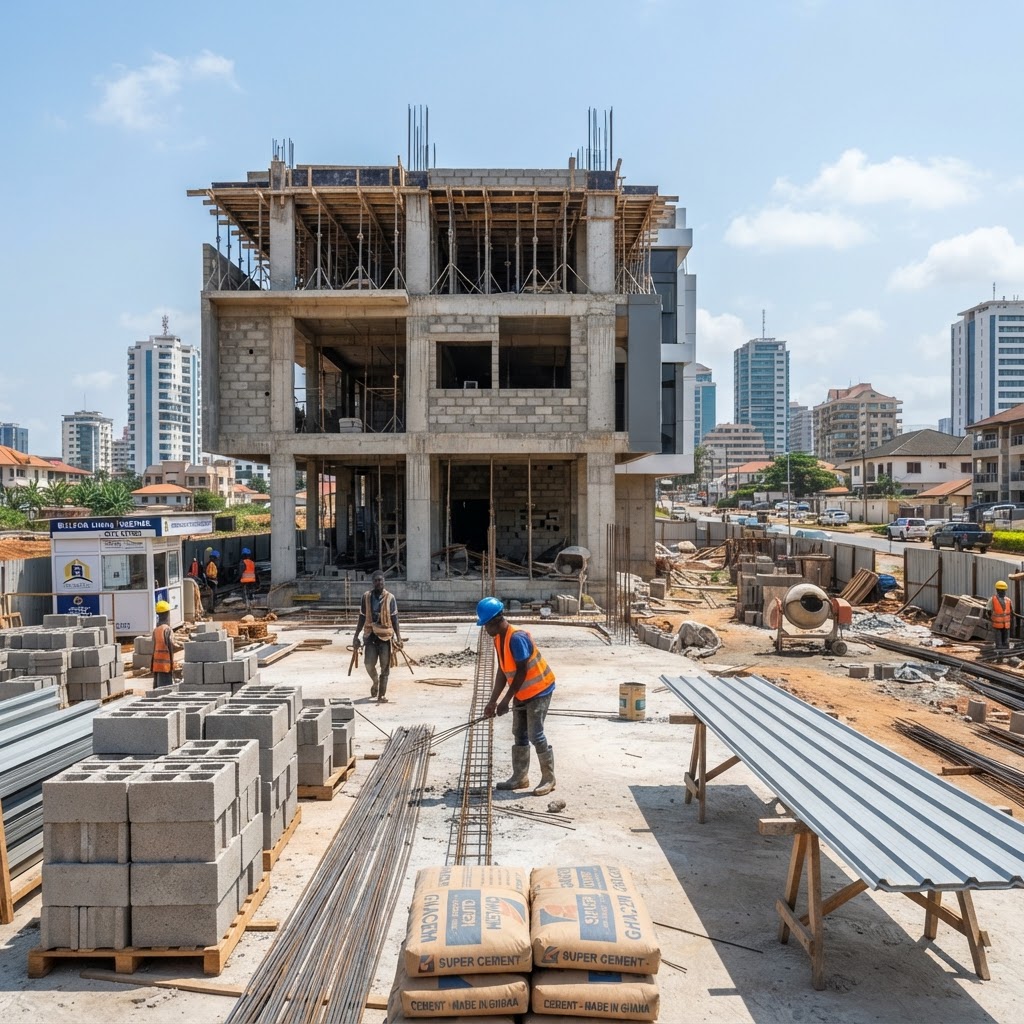
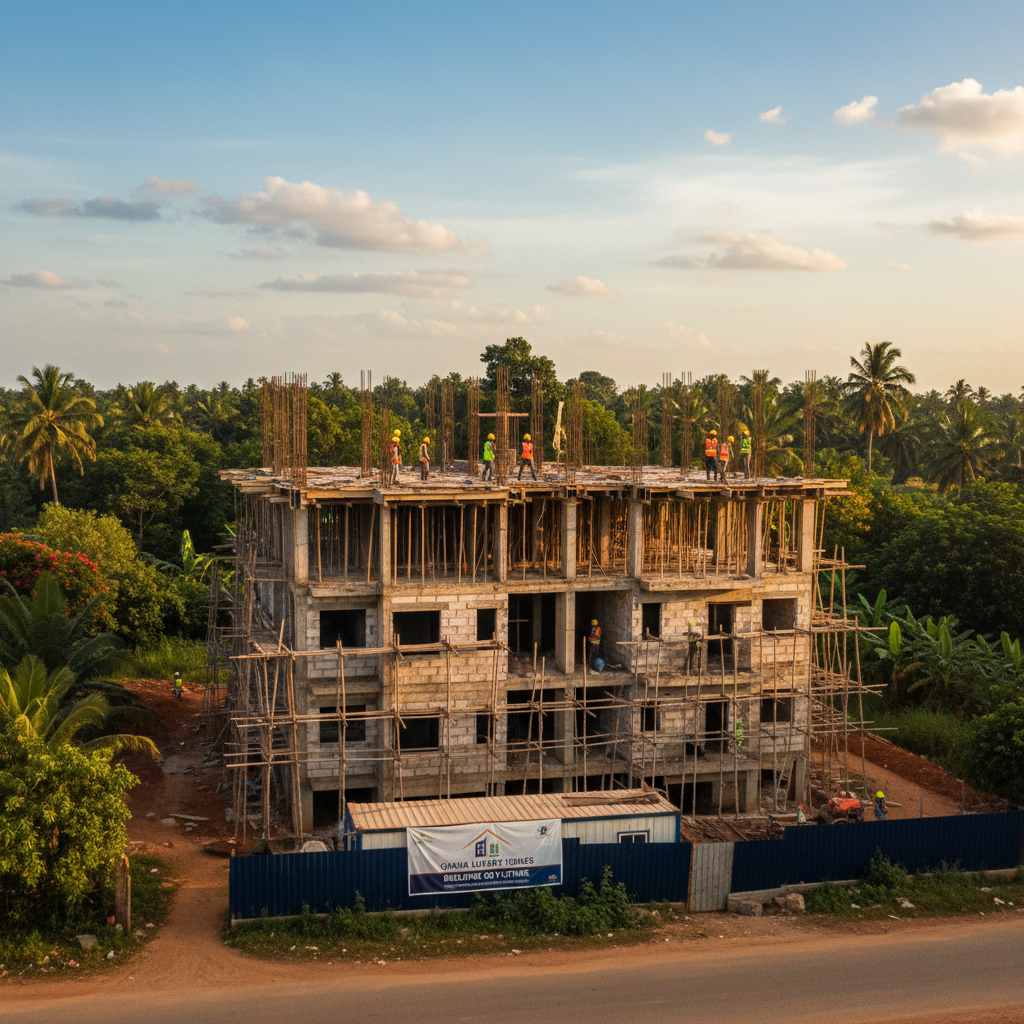
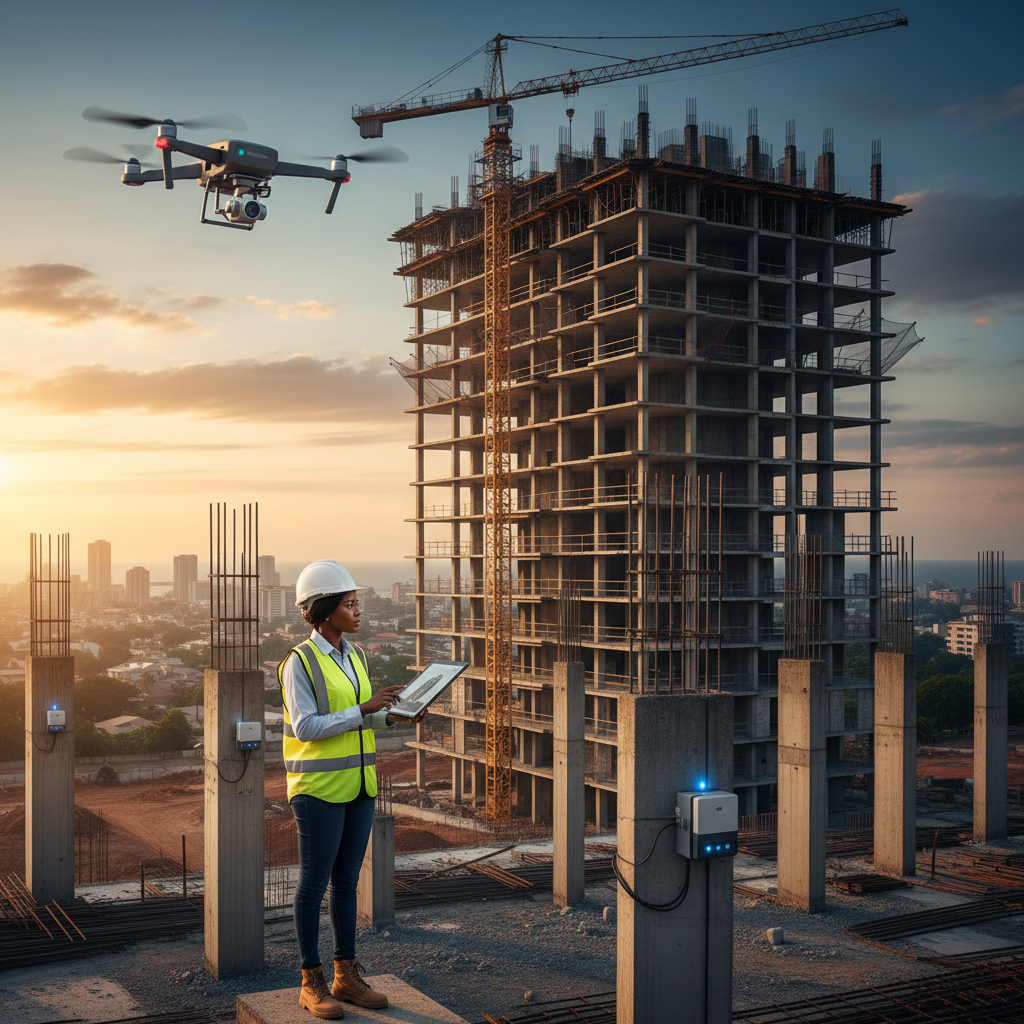
Walk onto any progressive construction site in Accra, Kumasi, or Takoradi today, and you might be surprised by what you see. Gone are the days when construction meant only hard hats, blueprints rolled out on wooden tables, and work schedules scribbled into notebooks. Today, project managers are walking sites with tablets running real-time building models, drones are mapping terrain from above, and sensors embedded in concrete are reporting structural data back to engineers sitting in offices kilometres away.
This is smart construction technology — and it is not a distant Western concept. It is happening right here in Ghana, right now, and it is changing everything about how we design, build, and manage structures across the country.
At Gido Construction Ltd, a proud subsidiary of GIDO Group Ltd, we believe that embracing these innovations is not optional. It is how we deliver better buildings, protect our workers, reduce waste, and serve our clients with the level of excellence they deserve. In this article, we break down what smart construction technology actually means, which tools are making the biggest difference, and why Ghana's construction sector stands to gain enormously from getting ahead of this curve.
What Exactly Is Smart Construction Technology?
Smart construction technology refers to the integration of digital tools, data-driven systems, and advanced equipment into the construction process — from the earliest planning stages all the way through to building maintenance after handover. It is not about replacing skilled workers or experienced site managers. It is about giving those professionals better tools to do their jobs faster, safer, and more efficiently.
Think of it this way: a carpenter still cuts timber, but a laser-guided measuring system ensures that every cut is precise to the millimetre. An engineer still designs a structure, but Building Information Modelling (BIM) software lets them visualise every pipe, beam, and electrical conduit in a fully interactive 3D model before a single brick is laid.
The result? Fewer errors. Less material waste. Shorter project timelines. Happier clients.
Key Technologies Reshaping Construction in Ghana and Africa
1. Building Information Modelling (BIM)
If there is one technology that has genuinely revolutionised modern construction, it is BIM. Building Information Modelling allows architects, engineers, and construction teams to create a detailed digital twin of a building before construction begins. Every element — structural, mechanical, electrical, and plumbing — is mapped and coordinated in a shared 3D environment.
For Ghana's construction industry, the benefits are enormous. Many construction delays and budget overruns on local projects happen because of clashes between different systems — for example, a water pipe running through the same space as an electrical conduit. BIM identifies these clashes on-screen, not on-site, saving time and serious money.
Large infrastructure projects across West Africa are already adopting BIM as a standard requirement, and Ghanaian firms that master this tool will have a significant competitive edge in winning regional contracts.
2. Drone Technology and Aerial Site Surveys
Drones are no longer novelties on a construction site — they are serious working tools. In Ghana, where many project sites are located in areas that are difficult to access or span large land areas, drones offer something invaluable: accurate, real-time aerial data.
Using drones equipped with high-resolution cameras and LiDAR sensors, construction teams can:
- Survey and map large parcels of land in hours rather than days
- Monitor construction progress and compare it against planned timelines
- Inspect hard-to-reach structures like rooftops, tall facades, or bridge undersides safely
- Create topographic maps that inform earthworks and drainage planning
For road construction, estate development, and industrial projects across Ghana, drone technology is already proving its worth — reducing survey costs and improving the quality of data that drives key decisions.
3. IoT Sensors and Smart Site Monitoring
The Internet of Things (IoT) refers to physical devices embedded with sensors that collect and transmit data. On a smart construction site, IoT sensors might be monitoring soil conditions, concrete curing temperatures, equipment usage, air quality, or even worker movement patterns.
This kind of real-time monitoring is especially valuable in Ghana's tropical climate, where temperature, humidity, and rainfall can significantly impact construction materials and timelines. Instead of discovering that a concrete pour was compromised by heat days after it happened, smart sensors provide immediate alerts so corrective action can be taken on the spot.
Beyond materials, IoT-enabled equipment tracking helps construction companies in Ghana manage their plant and machinery more effectively — knowing where equipment is, when it needs servicing, and whether it is being used efficiently.
4. Prefabrication and Modular Construction
One smart construction approach gaining considerable momentum across Africa is prefabrication — the manufacturing of building components in a controlled factory environment before transporting them to site for assembly.
Modular and prefabricated construction offers several advantages that resonate particularly well with the Ghanaian context:
- Speed: Factory production runs simultaneously with site preparation, dramatically compressing overall project timelines
- Quality control: Controlled manufacturing environments produce more consistent, higher-quality components than what is always achievable on open construction sites
- Reduced site waste: Less material is wasted when production happens in optimised factory settings
- Lower dependence on site labour: This is significant in areas where skilled tradespeople are in short supply
From affordable housing blocks in peri-urban Accra to modular commercial structures in the Northern Region, prefabrication is opening up new possibilities for delivering quality construction faster and at scale.
5. Construction Management Software and Digital Project Platforms
Managing a construction project involves coordinating dozens of variables simultaneously — procurement, labour scheduling, subcontractor management, budget tracking, document control, and client communication. Traditional approaches relying on paper records and spreadsheets are simply not adequate for complex, multi-stakeholder projects.
Cloud-based construction management platforms like Procore, PlanGrid, and locally adapted solutions are helping Ghanaian construction firms centralise this complexity. Teams on different parts of a site — or in different cities — can access the same live documents, flag issues, approve changes, and track progress in real time.
This is particularly transformative for Ghana, where construction projects often span multiple regions and involve coordination between Accra-based project owners, regional site teams, and international consultants or investors.
The Business Case for Smart Construction in Ghana
Some industry professionals still hesitate at the upfront cost of adopting new technology. It is a fair concern, but it often misses the bigger picture. The real question is not what smart technology costs to implement — it is what poor quality, project delays, material waste, and safety incidents cost when you do not have it.
Studies from construction markets in comparable developing economies consistently show that digital construction tools reduce project delays by 20-30%, cut material waste by 15-25%, and significantly improve safety outcomes on site. When you factor in the reputational value of delivering projects on time and to specification, the return on investment becomes very compelling.
For Ghana specifically, where government and private sector investment in infrastructure is accelerating — from housing to roads, hospitals, schools, and industrial parks — contractors who can demonstrate smart project delivery capabilities will be far better positioned to win and retain major contracts.
Sustainability and Smart Construction: A Natural Partnership
One of the most important conversations in global construction today is sustainability — and smart technology sits at the very heart of that discussion. In Ghana, where the effects of climate change are already being felt through erratic rainfall, coastal erosion, and urban heat island effects, building sustainably is not just an ethical choice. It is increasingly an economic and regulatory necessity.
Smart construction technology supports sustainability in multiple ways:
- Energy modelling software allows designers to optimise building orientation, insulation, and ventilation to reduce energy consumption before construction begins
- Material tracking systems reduce over-ordering and site waste
- Smart water management systems embedded in buildings help conserve water — a critical resource in many parts of Ghana
- Renewable energy integration into building design is made far more practical when supported by smart building management systems
At Gido Construction Ltd, our commitment to sustainable, responsible construction means actively integrating these principles into every project we undertake.
Challenges and How We Navigate Them
Being honest about the challenges facing smart construction adoption in Ghana is just as important as celebrating its potential. Infrastructure gaps — including unreliable electricity and internet connectivity in some regions — can make certain digital tools harder to deploy. The cost of specialist equipment and software licences can be a barrier for smaller contractors. And there remains a skills gap that needs to be addressed through training and knowledge-sharing.
These challenges are real, but they are not insurmountable. Mobile-first platforms designed for lower-bandwidth environments are emerging. Training programmes — including those supported by industry bodies and international partners — are building local capacity. And as the market for smart construction tools grows across Africa, costs are coming down.
The firms that start investing in these capabilities now — even incrementally — will be the ones leading Ghana's construction industry in the decade ahead.
Gido Construction Ltd: Building Ghana's Future, Smartly
At Gido Construction Ltd, we are committed to being at the forefront of smart construction in Ghana. As part of the broader GIDO Group Ltd family, we bring together the resources, expertise, and long-term vision necessary to adopt and deploy construction technology in ways that genuinely benefit our clients and communities.
Whether you are planning a residential estate, a commercial development, or a major infrastructure project, we bring not just bricks and mortar — but intelligence, innovation, and integrity to every square metre we build.
Smart construction is not the future. It is the present. And we are proud to be building it, right here in Ghana.