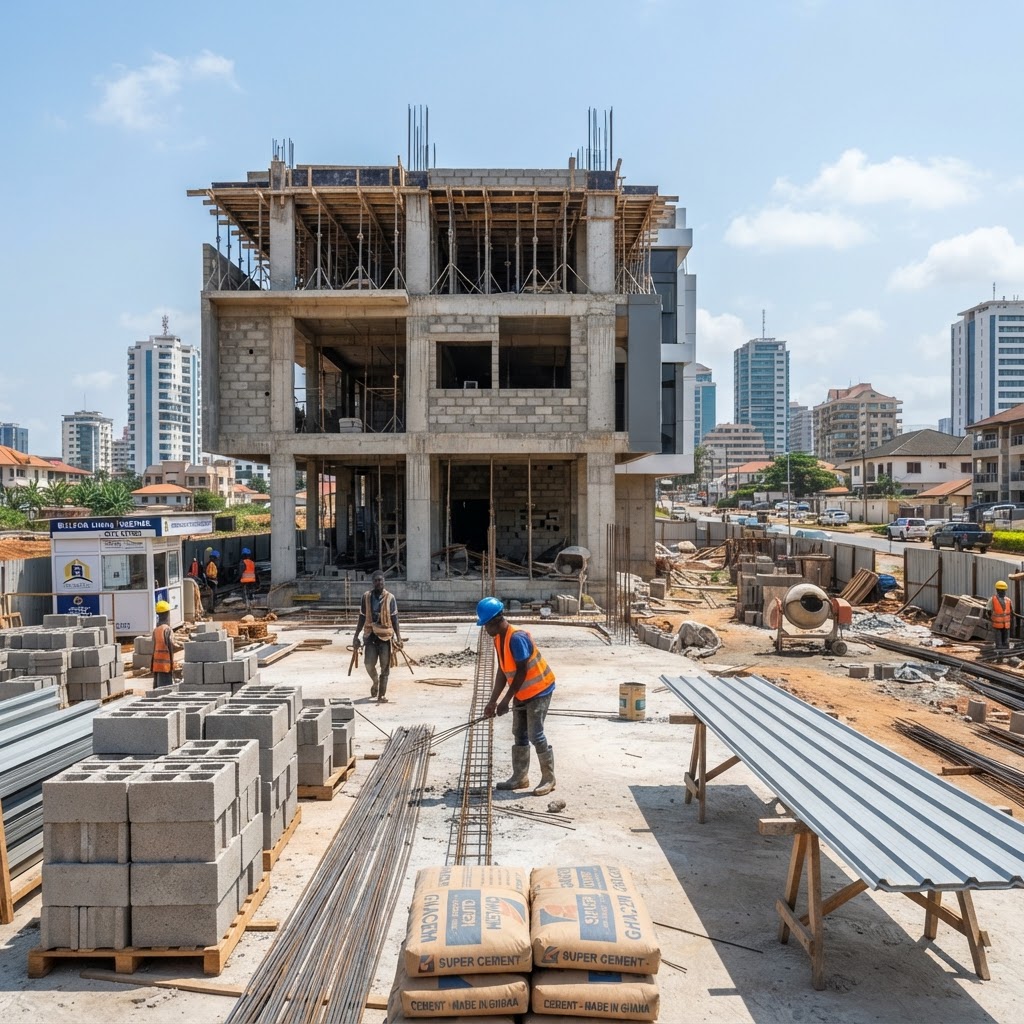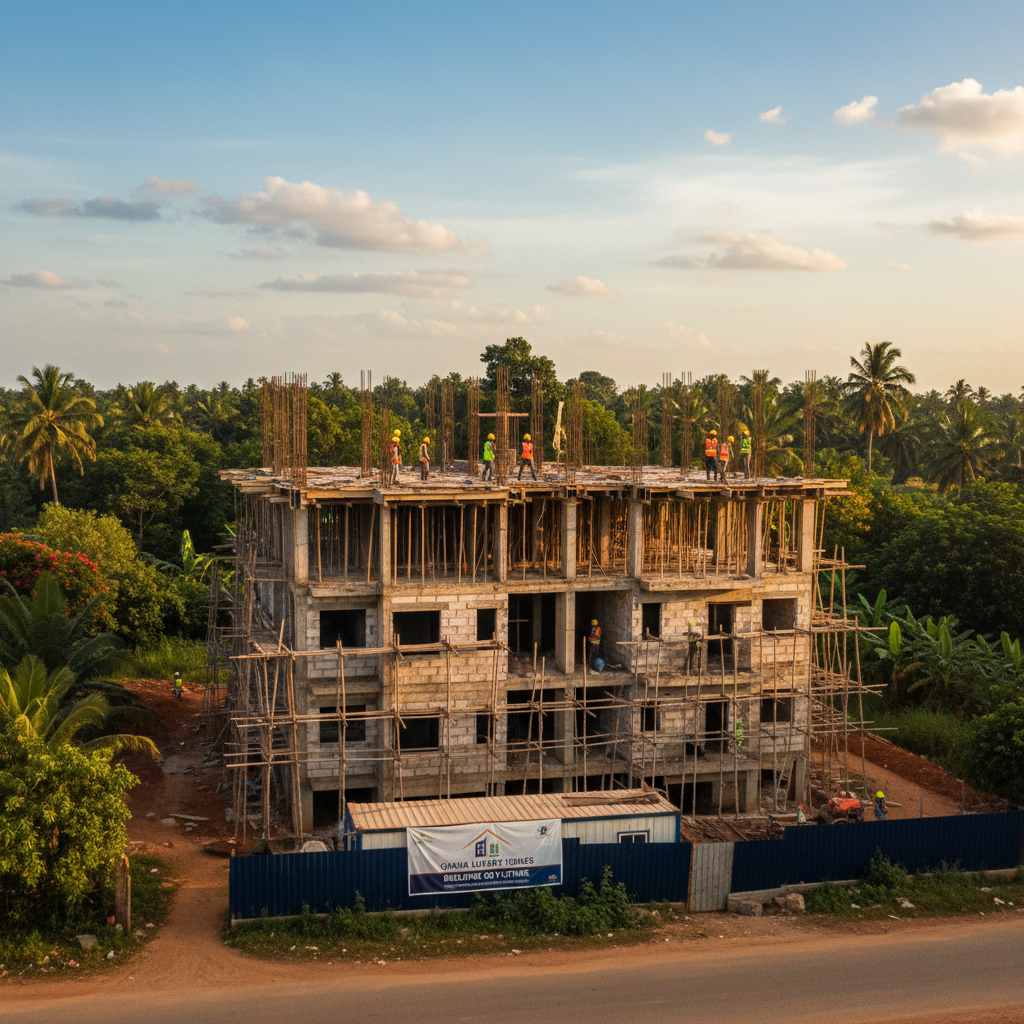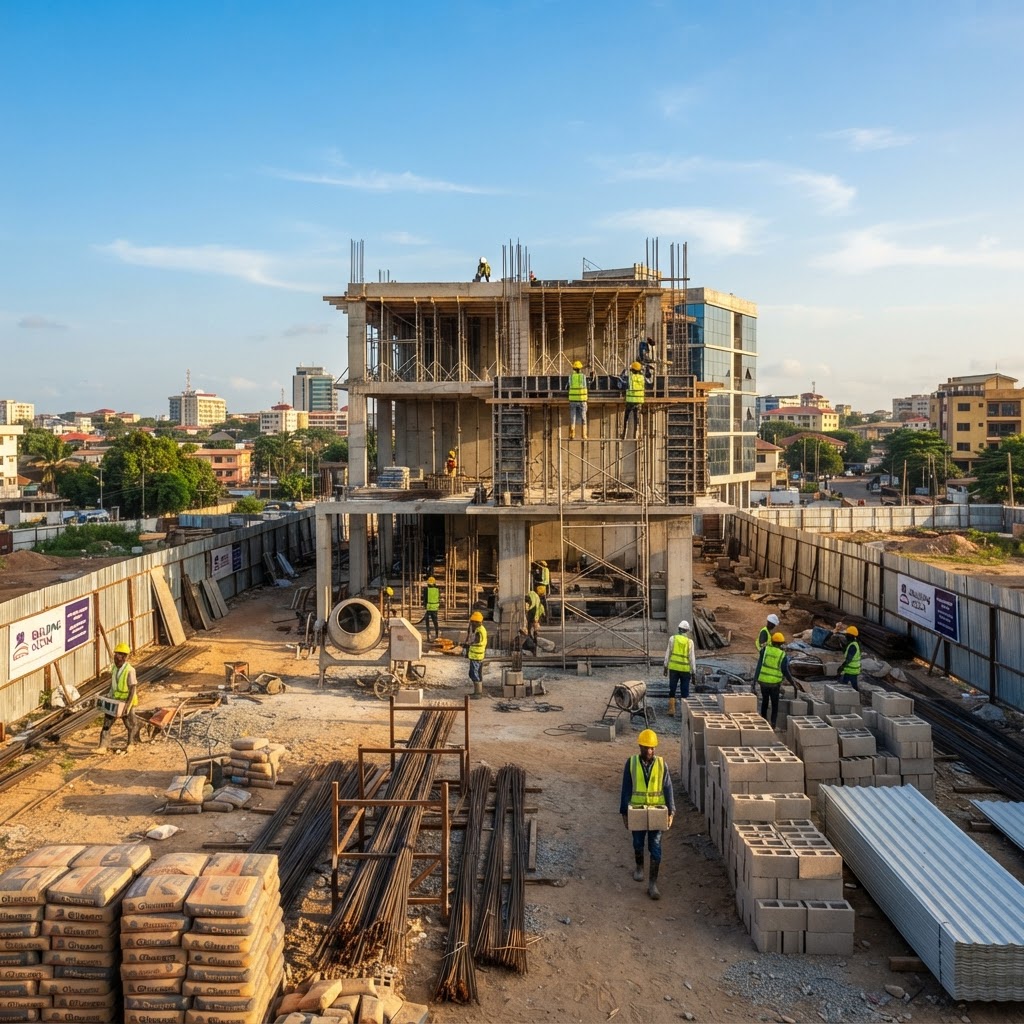
Why Choosing the Right Building Materials Matters in Africa
Construction across Africa is booming. From Accra to Lagos, Nairobi to Abidjan, skylines are changing rapidly. New residential estates are rising where farmland once stretched endlessly. Commercial complexes, schools, hospitals, and roads are reshaping communities. And at the heart of every one of these projects is a question that every developer, contractor, and homeowner must answer: what building materials should I use?
It sounds simple. It isn't.
The African construction landscape is uniquely complex. You're working with tropical climates, varying soil conditions, high humidity in coastal areas, extreme heat in the north, and infrastructure gaps that can make sourcing materials a logistical challenge. Add to that the pressure of budget constraints, local regulations, and the need for long-lasting results, and you quickly realize that material selection is one of the most critical decisions you'll make on any project.
At Gido Construction Ltd, part of the GIDO Group Ltd family of companies, we've spent years working on construction projects across Ghana and the broader African market. We've seen firsthand what works, what fails, and what delivers genuine value. This guide is built on that experience — written to help developers, homeowners, architects, and project managers navigate the world of building materials in Africa with confidence.
The African Construction Boom: Context and Opportunity
Africa's urban population is growing faster than any other region in the world. By 2050, it is estimated that over 1.3 billion people will live in African cities. Ghana alone is urbanizing at a rapid pace, with Accra, Kumasi, Takoradi, and Tamale all experiencing significant population growth and demand for housing and infrastructure.
This growth is creating enormous opportunity for the construction sector. But it also means the pressure to build quickly, affordably, and durably has never been higher. The materials you choose today will determine whether a building stands strong for 50 years or begins to deteriorate within a decade.
Key Factors Driving Material Choices in Africa
- Climate resilience: Buildings must withstand high temperatures, heavy rainfall, humidity, and in some regions, seasonal flooding.
- Local availability: Imported materials can be expensive and subject to supply chain delays. Locally sourced options often make more economic and practical sense.
- Cost efficiency: Budgets are often tight, especially in the housing sector. Value for money is non-negotiable.
- Skilled labor compatibility: Some advanced materials require specialized labor that may not always be readily available.
- Sustainability: There is growing pressure — from governments, investors, and communities — to build in ways that are environmentally responsible.
The Most Commonly Used Building Materials Across Africa
1. Cement and Concrete
Cement remains the backbone of construction across the African continent. Whether you're laying a foundation in Accra, building walls in Kumasi, or constructing a bridge in the Volta Region, cement is almost always part of the equation.
In Ghana, several cement brands compete for market share, with products varying in quality and price. When selecting cement, always check for Ghana Standards Authority (GSA) certification. Poor-quality cement is one of the leading causes of structural failure in the region, and the consequences — both financial and human — can be devastating.
Reinforced concrete (a combination of concrete and steel rebar) is particularly popular for multi-storey residential and commercial buildings. It offers excellent compressive strength and, when properly mixed and cured, provides decades of reliable performance.
Pro tip from Gido Construction: Always maintain the correct water-to-cement ratio when mixing on site. Too much water weakens the final product significantly, a common mistake on many Ghanaian construction sites.
2. Steel and Iron Rods
Steel is the second most critical material in African construction. Iron rods (rebars) are used to reinforce concrete structures, while steel sections are used in roofing, framing, and industrial construction.
Ghana imports a significant portion of its steel, which makes prices sensitive to global commodity markets and the strength of the cedi. However, local fabricators and suppliers have grown in number and capability over the years.
When sourcing steel in Ghana, always verify the grade and tensile strength specifications. Substandard rods are unfortunately common in some markets and can compromise structural integrity.
3. Sand and Aggregates
Sand, gravel, and crushed stone are essential components of concrete and mortar. In Ghana, sand is sourced from riverbeds, beaches, and inland pits — each with different properties that affect concrete quality.
Sea sand, for example, contains salt that can corrode reinforcement steel over time. River sand is generally preferred for structural work. Crushed stone aggregates are ideal for high-strength concrete mixes.
With increasing regulatory attention on sand winning in Ghana due to environmental concerns, responsible sourcing is becoming both a legal and ethical priority for contractors.
4. Blocks and Bricks
Sandcrete blocks remain the most widely used wall-building material in Ghana and much of West Africa. They are affordable, easy to produce locally, and reasonably durable when made correctly.
The challenge is quality control. Many blocks produced by informal manufacturers have insufficient cement content, making them weak and porous. At Gido Construction Ltd, we insist on using blocks that meet minimum strength standards and conduct regular testing to ensure compliance.
Fired clay bricks, while less common in Ghana, are gaining traction in some parts of East and Southern Africa where clay soils are abundant. They offer excellent thermal mass properties, helping to regulate indoor temperatures naturally.
5. Roofing Materials
The roof is one of the most exposed parts of any building in Africa. It must handle intense sun, heavy tropical rain, wind, and in some areas, the weight of debris during storms.
Aluminium roofing sheets are by far the most popular choice in Ghana due to their affordability and lightweight nature. Galvanized steel sheets offer greater durability but come at a higher cost. Long-span aluminum roofing has become increasingly popular for both residential and commercial projects.
Concrete roof tiles and clay tiles are used in higher-end residential developments, offering a premium aesthetic and good durability. Solar-integrated roofing solutions are also beginning to enter the Ghanaian market as renewable energy adoption grows.
6. Timber and Wood Products
Ghana has historically been rich in timber resources, and wood remains an important construction material for doors, windows, formwork, furniture, and finishing work. However, deforestation pressures have led to tighter regulations on timber harvesting.
Engineered wood products like plywood, MDF, and timber composites are increasingly popular as sustainable alternatives. These materials offer consistent quality and are less susceptible to warping and cracking than raw timber.
Innovations Shaping the Future of Building Materials in Africa
Locally Produced Alternatives
Across Africa, innovators are developing building materials from local and sometimes unconventional resources. Compressed earth blocks, bamboo composites, rice husk ash concrete, and recycled plastic bricks are all being explored as sustainable, affordable alternatives to conventional materials.
In Ghana, institutions like KNUST's Department of Architecture are actively researching locally appropriate building technologies, and forward-thinking contractors are beginning to incorporate these solutions into real projects.
Green and Sustainable Construction
Environmental sustainability is no longer just a global trend — it's becoming a business and regulatory reality in Africa. The Green Building Council of South Africa has been active for years, and similar frameworks are emerging in Ghana and across West Africa.
Using materials with lower embodied carbon, optimizing insulation to reduce energy consumption, and incorporating rainwater harvesting systems are all practices that Gido Construction Ltd actively promotes on its projects.
Prefabrication and Modular Construction
Prefabricated building components — walls, floor slabs, roof panels — manufactured off-site and assembled on location are gaining ground across Africa. They offer speed, reduced waste, and consistent quality. For large-scale housing projects in particular, prefabrication can dramatically cut construction timelines and costs.
Sourcing Building Materials in Ghana: Practical Advice
Navigating the building materials market in Ghana requires both knowledge and networks. Here are some practical tips:
- Buy from certified suppliers: Always look for products with GSA certification or internationally recognized quality marks.
- Build relationships with reliable suppliers: Consistent quality matters more than finding the cheapest price on any given day.
- Plan your procurement early: Supply chain disruptions, port delays, and seasonal shortages can affect material availability. Plan ahead, especially for imported items.
- Inspect materials on delivery: Don't assume that what was ordered is what arrived. Site inspections on delivery protect you from costly mistakes.
- Work with an experienced contractor: A contractor like Gido Construction Ltd brings procurement experience and quality control systems that protect your investment from the ground up.
Why Gido Construction Ltd Is Your Trusted Partner in Africa
Gido Construction Ltd is a subsidiary of GIDO Group Ltd, one of Ghana's growing diversified conglomerates. Our construction division brings together experienced engineers, site managers, and procurement specialists who understand the Ghanaian and African construction environment deeply.
We don't just build structures — we build confidence. Every project we take on is guided by a commitment to quality materials, skilled workmanship, and transparent client communication. Whether you're developing a residential property, a commercial complex, or an infrastructure project, we bring the expertise and integrity your investment deserves.
From material selection to final handover, Gido Construction Ltd is with you every step of the way.
Final Thoughts
The African construction sector is full of promise. With the right materials, the right partners, and the right approach, it's possible to build structures that are not only affordable and functional, but genuinely beautiful and built to last for generations.
Choosing building materials in Africa doesn't have to be overwhelming. Equip yourself with knowledge, work with experienced professionals, and never compromise on quality where it matters most. Your building — and everyone who lives or works in it — will thank you for it.