Agribusiness in Ghana: A Sector Built on Soil, Sweat, and Strategy
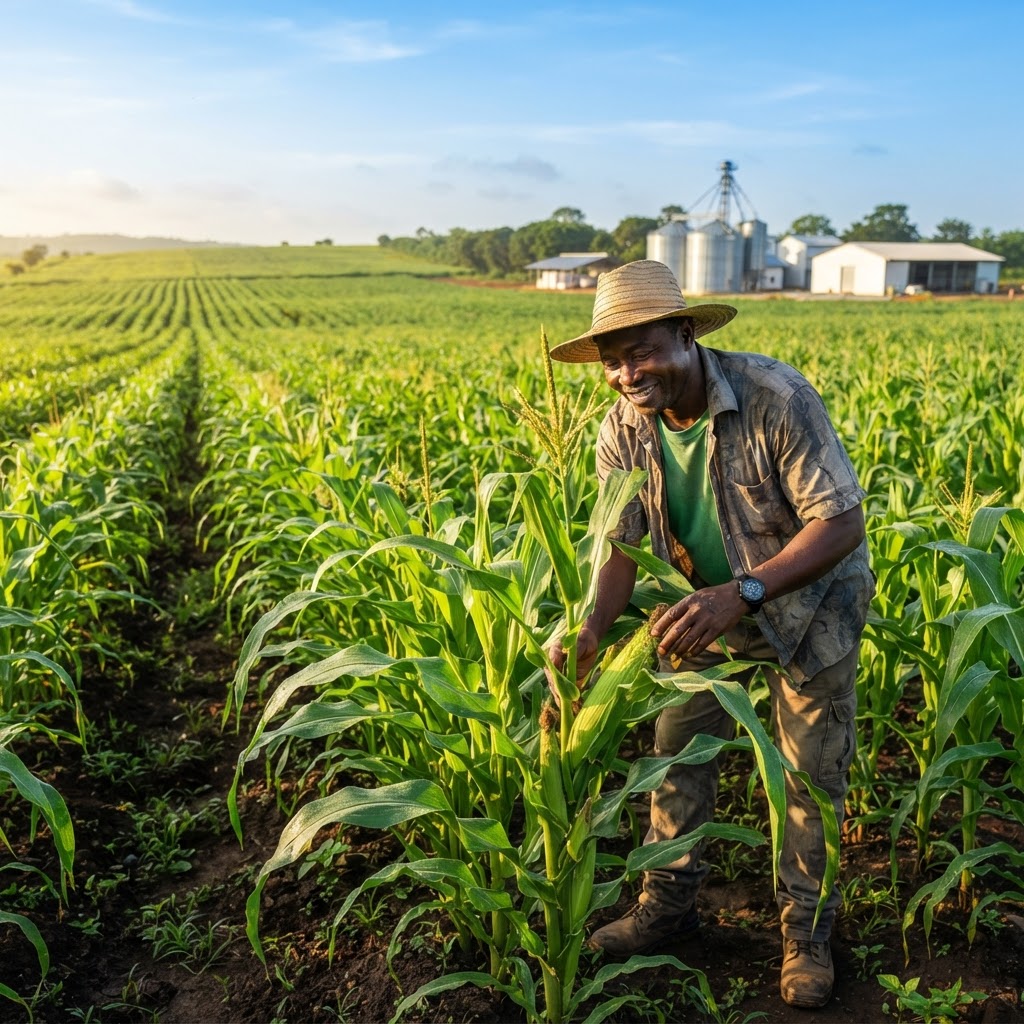
Ghana has always been a land of abundance. From the fertile plains of the Brong-Ahafo Region to the verdant cocoa farms of Ashanti and the rice paddies of the Northern Region, agriculture is woven into the very identity of this West African nation. But in recent years, something exciting has been happening — traditional farming is giving way to modern agribusiness, and Ghana is steadily emerging as one of Africa's most promising agricultural investment frontiers.
At Gido Agro Ltd, a subsidiary of GIDO Group Ltd, we sit at the heart of this transformation. We believe that agribusiness in Ghana is not just about growing crops — it is about growing communities, creating sustainable livelihoods, and building an economy that feeds itself and the world beyond its borders.
This article takes a deep, honest look at the state of agribusiness in Ghana: the opportunities available, the challenges that must be confronted, the sectors driving growth, and what the future holds for farmers, investors, and entrepreneurs willing to bet on Ghana's green gold.
Why Ghana Is a Prime Destination for Agribusiness Investment
Ghana is frequently cited by regional economists and international development organisations as one of the most business-friendly environments in sub-Saharan Africa. Political stability, a relatively transparent regulatory framework, and a growing middle class make it an attractive market. But for the agribusiness sector specifically, several unique advantages stand out.
A Favourable Climate and Diverse Agroecological Zones
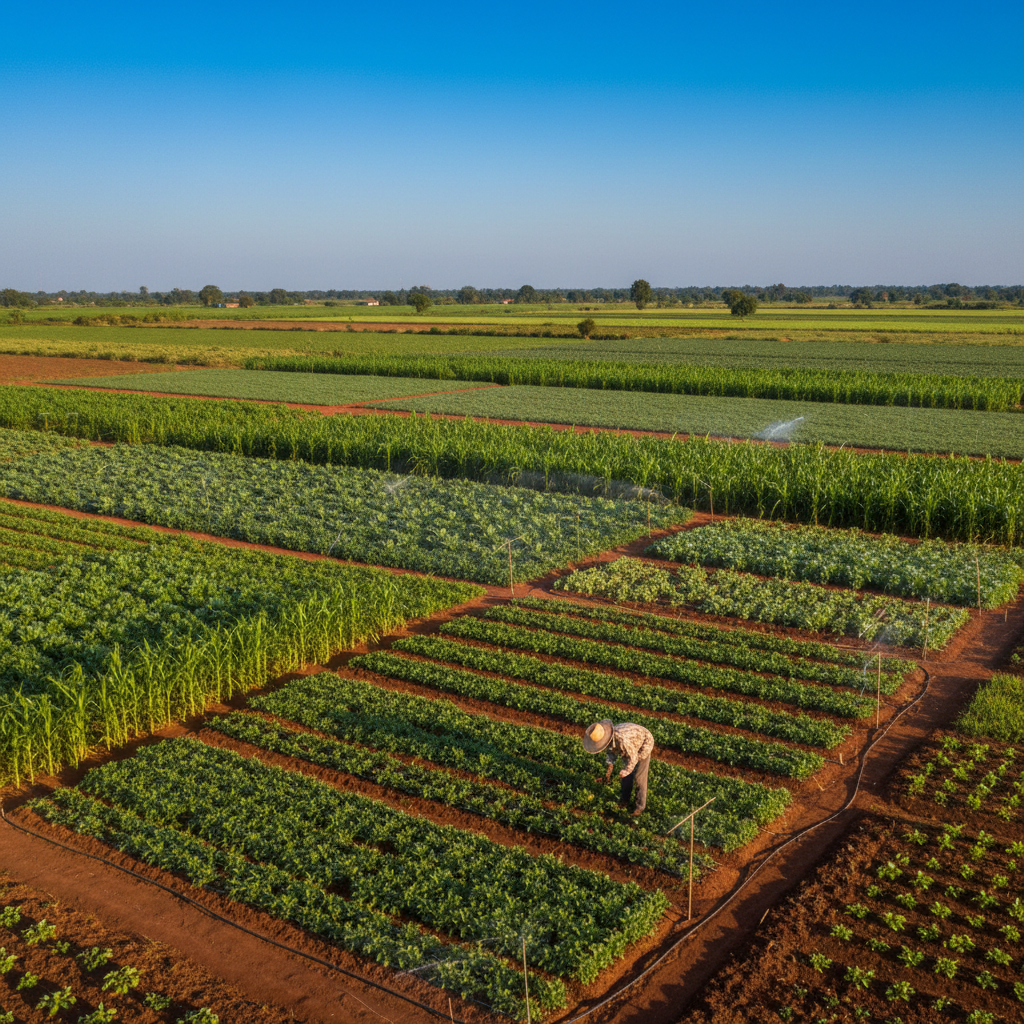
Ghana is blessed with distinct ecological belts that allow for remarkable agricultural diversity. The coastal savannah, the forest zone, the transitional zone, and the Guinea and Sudan savannah regions each support different crops and livestock systems. This means that whether you are interested in cocoa, cashew, shea, rice, vegetables, poultry, or aquaculture, there is likely an ideal location in Ghana for your enterprise.
The country receives between 750mm and 2,000mm of rainfall annually depending on the zone, supporting two growing seasons in the south and at least one reliable season in the north. With irrigation infrastructure improving, year-round farming is increasingly feasible.
A Young, Growing Labour Force
Ghana's population stands at over 33 million people, with a median age of approximately 21 years. This youth demographic represents both a challenge and an enormous opportunity. Young Ghanaians are increasingly being drawn into agribusiness not as subsistence farmers, but as entrepreneurs, agripreneurs, and agritech innovators. Government programmes, NGO initiatives, and private sector players like Gido Agro are actively empowering young people to see agriculture as a viable and dignified career path.
Government Policy Support
The Ghanaian government has consistently recognised agriculture as a cornerstone of national development. Flagship programmes such as Planting for Food and Jobs (PFJ), the Ghana Incentive-Based Risk Sharing System for Agricultural Lending (GIRSAL), and the One District One Factory (1D1F) initiative have all contributed to creating a more enabling environment for agribusiness.
These policies have helped reduce the cost of farm inputs, increase access to credit for smallholder farmers, and link primary producers to processing and export markets.
Key Sectors Driving Agribusiness Growth in Ghana
Not all segments of Ghana's agricultural sector are growing at the same pace. Some are booming, some are emerging, and some are ripe for disruption. Here is an overview of the most important sub-sectors.
Cocoa: Ghana's Agricultural Crown Jewel
Ghana is the world's second-largest cocoa producer, and cocoa remains the single most important commodity in the country's agricultural export basket. Managed under the Ghana Cocoa Board (COCOBOD), the sector employs over 800,000 farming families and generates hundreds of millions of dollars in foreign exchange annually.
But the opportunity is no longer just in raw cocoa beans. Value addition — processing cocoa into powder, butter, and finished chocolate products — is where the real margins lie. Gido Agro and forward-thinking agribusinesses across Ghana are increasingly looking at how to capture more of the cocoa value chain domestically, rather than exporting raw produce.
Cashew: The Rising Star of West African Agriculture
Ghana has become one of the top cashew-producing countries in Africa, particularly in the Brong-Ahafo, Eastern, and Upper East regions. Cashew cultivation requires relatively low inputs and is drought-tolerant, making it ideal for smallholder farmers in drier zones.
Demand for cashew nuts — both raw and processed — continues to surge globally, particularly in Europe, Asia, and North America. Like cocoa, the challenge and the opportunity lie in processing. Currently, the majority of Ghana's raw cashew nuts are exported to Vietnam and India for processing. Building domestic processing capacity represents one of the most exciting agribusiness frontiers in Ghana today.
Rice and Food Staples: Feeding Ghana First
Ghana imports a significant portion of the rice it consumes — a situation that costs the country hundreds of millions in foreign exchange every year. The Upper East, Upper West, and Volta regions have significant potential for expanded rice cultivation, and government-supported irrigation schemes are opening up land that was previously unproductive during the dry season.
Investment in rice milling, storage, and distribution infrastructure represents a clear business opportunity aligned with national food security goals. The same logic applies to maize, soybean, sorghum, and other staples that form the backbone of Ghanaian diets.
Poultry and Livestock: A Protein Deficit Waiting to Be Closed
Ghana's poultry industry has faced stiff competition from imported frozen chicken, but domestic demand for locally produced poultry and eggs is strong and growing. With the right investment in breeding, feed production, and biosecurity, Ghanaian poultry producers can compete and win on quality and freshness.
Similarly, beef, sheep, and goat production in the northern regions holds significant untapped potential, both for domestic consumption and for export to neighbouring countries.
Agritech and Digital Agriculture: The New Frontier
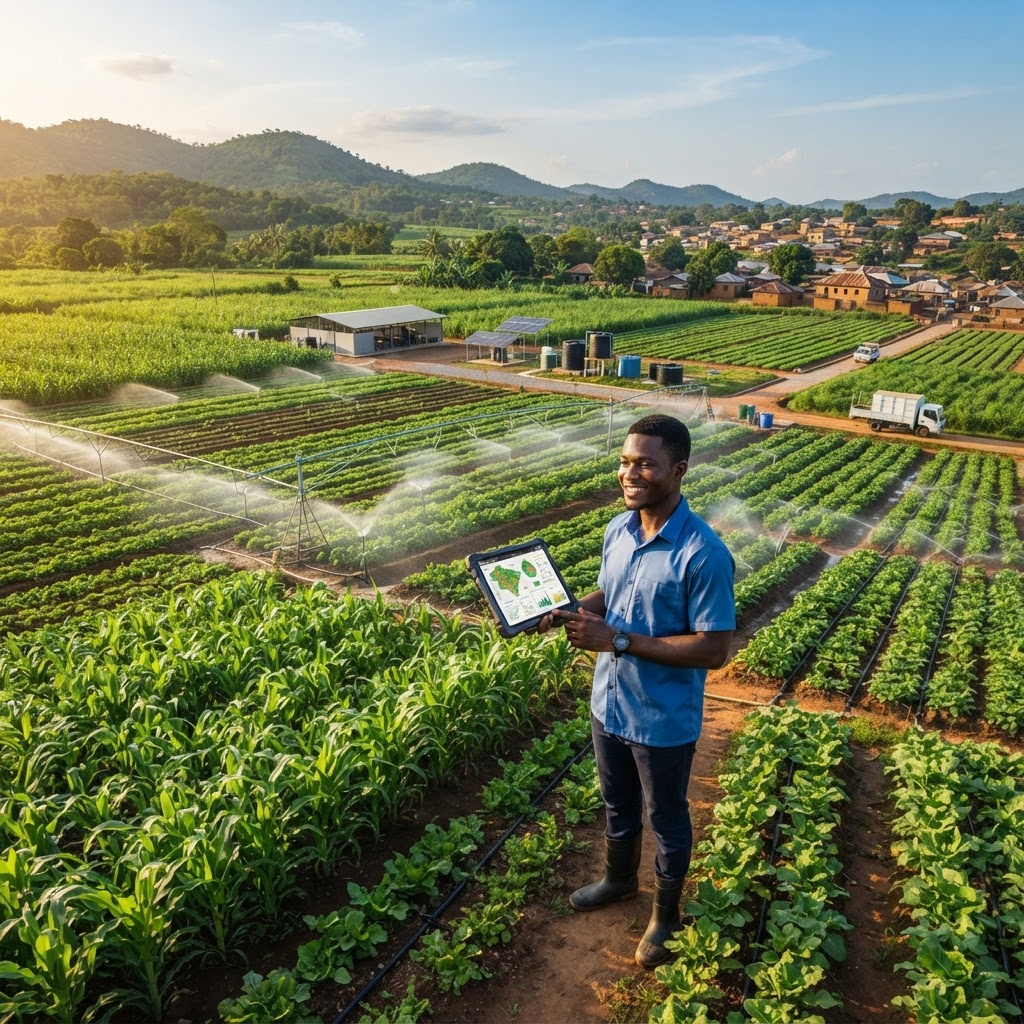
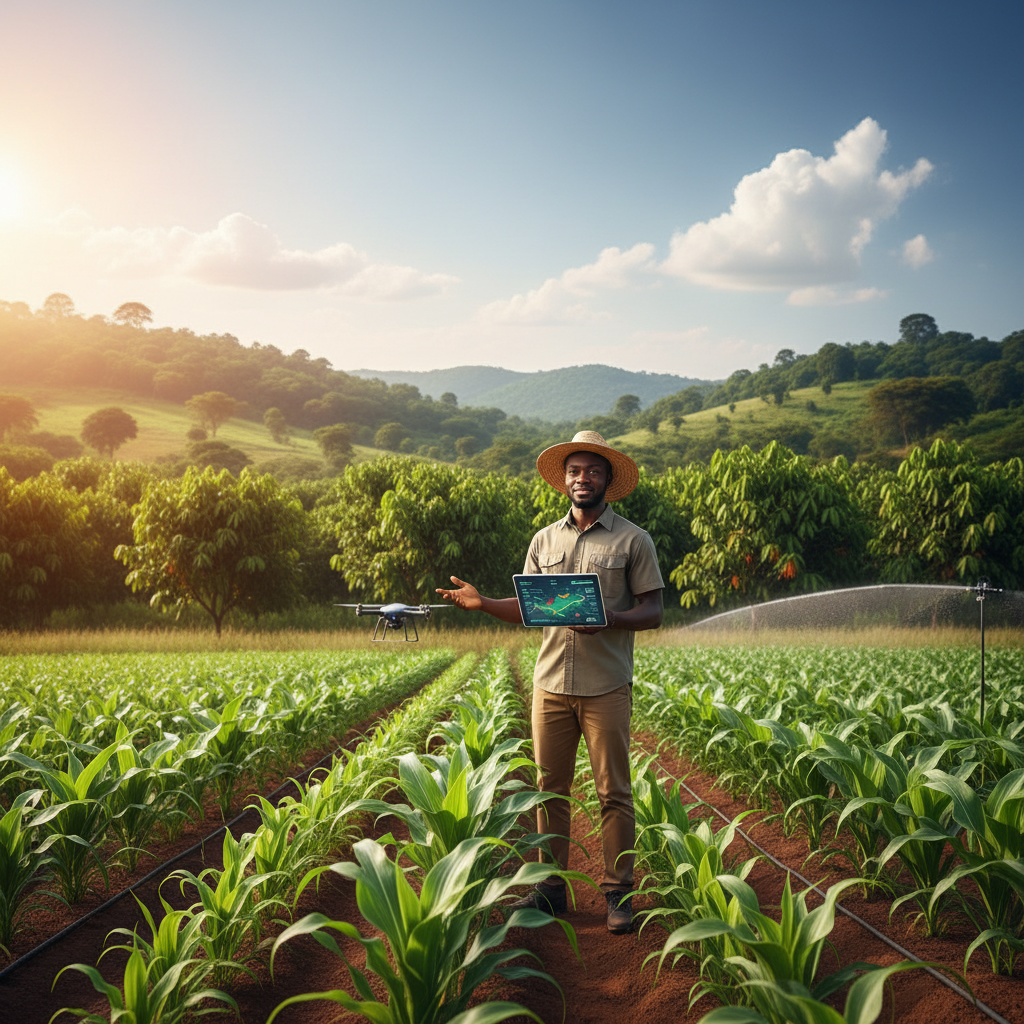
Perhaps the most exciting development in Ghana's agribusiness landscape is the emergence of digital agriculture. Mobile platforms are connecting farmers to markets, weather data, and financial services in ways that were unimaginable a decade ago. Drone technology is being used for crop monitoring and precision spraying. Soil testing services are becoming more accessible to smallholders.
Companies operating in the agritech space are not just supporting farmers — they are fundamentally changing the economics of smallholder agriculture in Ghana.
Challenges That Agribusinesses in Ghana Must Navigate
Honesty demands that we acknowledge the real challenges facing agribusiness in Ghana. Ignoring them helps no one.
Access to Finance
Despite government initiatives, access to affordable credit remains one of the biggest constraints for farmers and agribusinesses in Ghana. Commercial interest rates are high, and many smallholder farmers lack the collateral or credit history required to secure loans. GIRSAL and other blended finance mechanisms are helping, but the gap remains significant.
Post-Harvest Losses
Ghana loses an estimated 30-40% of its agricultural produce to post-harvest losses every year. Inadequate storage, poor transport infrastructure, and limited processing capacity mean that food grown at significant cost and effort rots before it reaches the consumer. Addressing this is both a moral imperative and a massive business opportunity.
Climate Change and Soil Degradation
Changing rainfall patterns, prolonged droughts in the north, and soil degradation from unsustainable farming practices are real and growing threats. Agribusinesses that invest in climate-smart agriculture — conservation farming, irrigation, agroforestry — will be better positioned to thrive in the decades ahead.
Market Access and Price Volatility
Smallholder farmers often lack reliable market linkages, leaving them vulnerable to exploitative middlemen and volatile prices. Building transparent, efficient supply chains that connect farmers directly to processors, retailers, and exporters is one of the most important contributions that well-structured agribusinesses can make.
Gido Agro's Role in Shaping Ghana's Agricultural Future
At Gido Agro Ltd, we are not spectators in Ghana's agricultural transformation — we are active participants. As part of the GIDO Group Ltd family of companies, we bring a diversified, long-term perspective to agribusiness investment in Ghana.
We work with smallholder farmers and large-scale producers alike, investing in supply chain development, value addition, and sustainable farming practices. We understand that profitable agribusiness and responsible stewardship of land and community are not competing goals — they are two sides of the same coin.
Our approach is grounded in the belief that Ghana's agricultural potential will only be fully realised when farmers are treated as partners, not just inputs into a supply chain. When local communities benefit from agricultural growth, that growth becomes self-sustaining.
The Future of Agribusiness in Ghana
Looking ahead, the trajectory for agribusiness in Ghana is genuinely exciting. The African Continental Free Trade Area (AfCFTA), headquartered in Accra, is creating new market access opportunities for Ghanaian agricultural products across a continent of 1.4 billion consumers. Infrastructure investment — roads, ports, cold chain logistics — is gradually improving the economics of moving food from farm to market.
Young Ghanaians are increasingly choosing agribusiness as a career, and a new generation of educated, tech-savvy agripreneurs is bringing fresh energy and ideas to the sector. The combination of improving policy, growing investment, technological adoption, and demographic energy points toward a future where Ghana is not just feeding itself but playing a leading role in feeding West Africa and beyond.
The opportunity is real. The work is hard. And the rewards — economic, social, and environmental — are worth every seed planted in Ghana's fertile soil.
Final Thoughts
Agribusiness in Ghana is at an inflection point. The foundational assets — land, climate, labour, government support, and growing regional markets — are all in place. What the sector needs now is coordinated investment, innovative thinking, and committed partners who are willing to play the long game.
Whether you are a farmer looking to scale your operation, an investor seeking sustainable returns, or an entrepreneur exploring the agritech space, Ghana offers a compelling canvas. And Gido Agro Ltd is here to help paint the picture of what is possible.
Reach out to us today to learn how we can partner with you to grow something extraordinary in Ghana's agricultural heartland.