The Dawn of a New Agricultural Era in Africa
Africa is often described as the world's last agricultural frontier — and for good reason. With over 60% of the world's uncultivated arable land, a young and growing workforce, and a climate that supports year-round farming in many regions, the continent holds extraordinary potential to feed itself and the world. Yet for decades, that potential remained largely untapped.
Today, that story is changing.
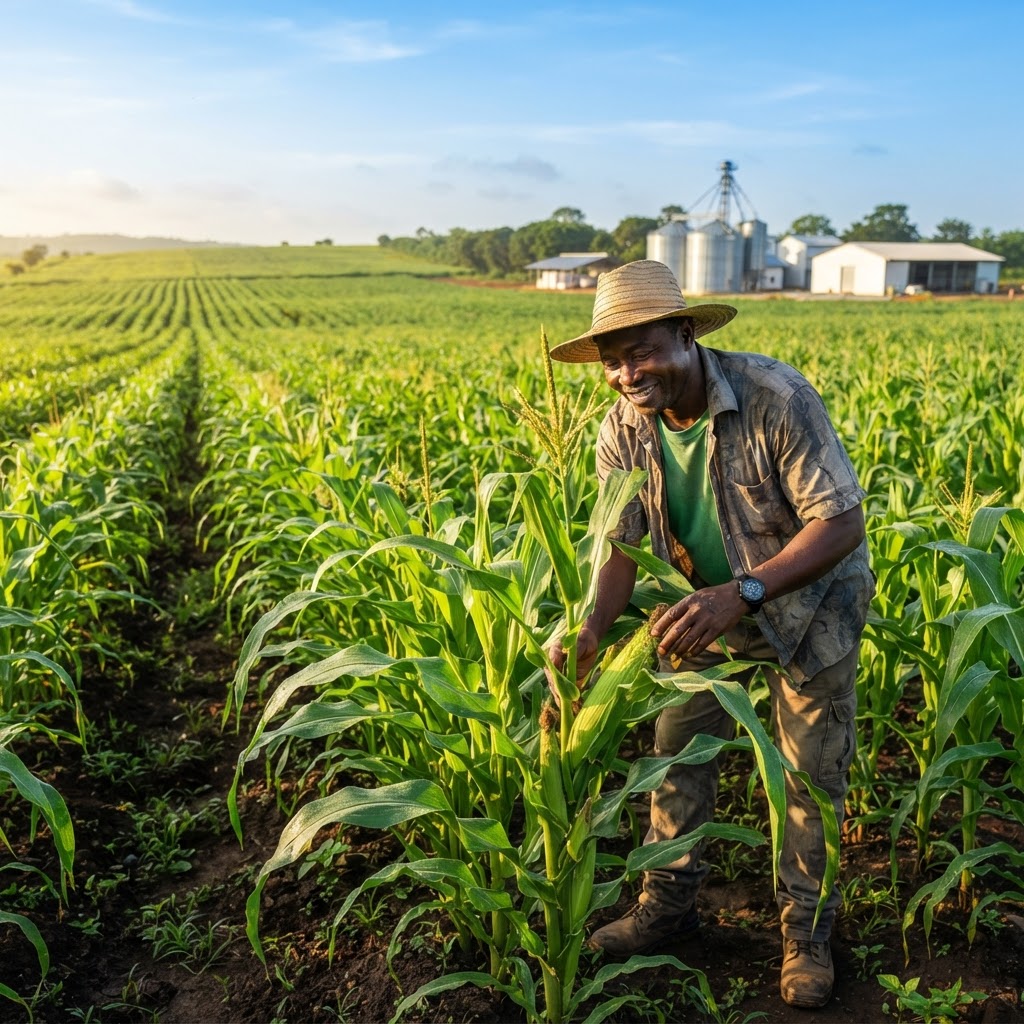
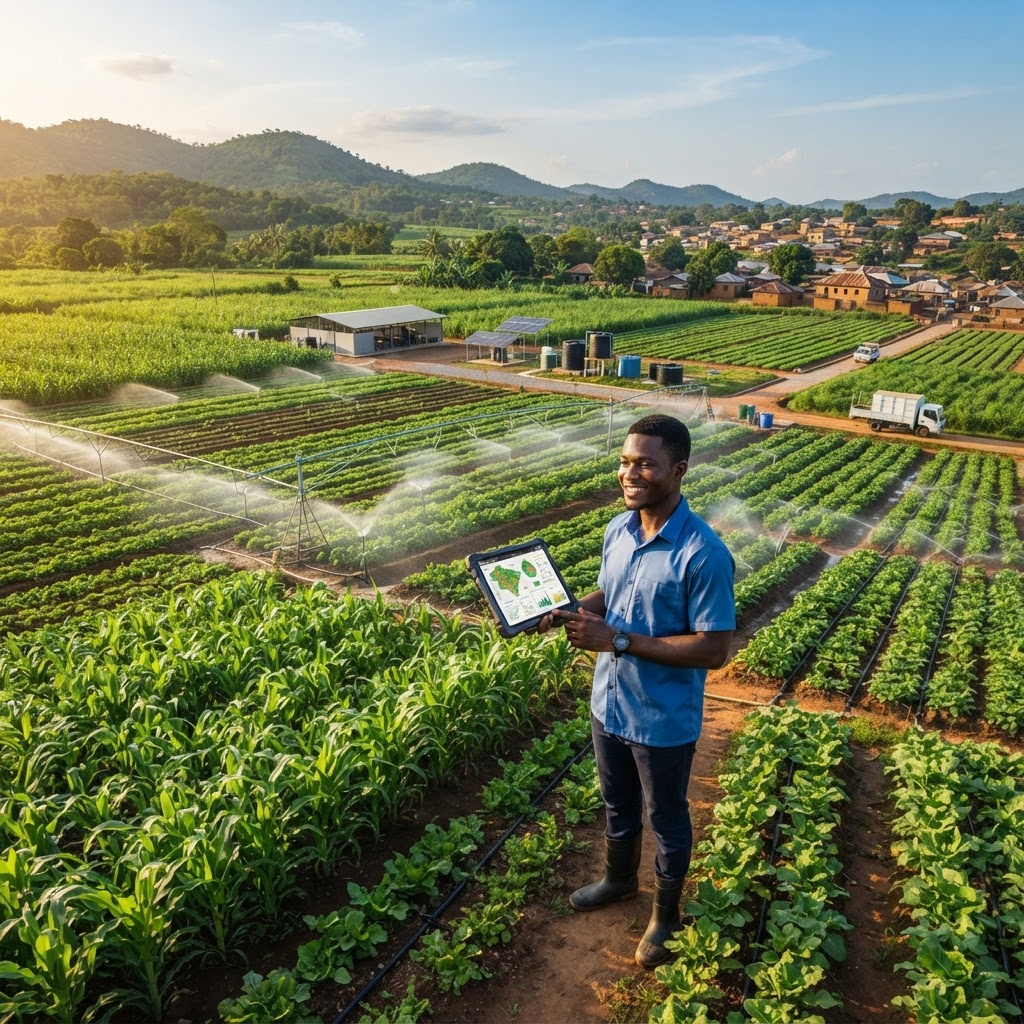
Across sub-Saharan Africa, and particularly in Ghana, a quiet but powerful revolution is underway. Farmers are swapping hoes for GPS-guided tractors. Smallholder cooperatives are accessing real-time weather data on mobile phones. Agribusinesses are using precision irrigation systems to squeeze more yield from every acre. And forward-thinking companies like Gido Agro Ltd are stepping up to bridge the gap between traditional farming and the demands of a modern, competitive food economy.
This is what modern agriculture in Africa looks like — and it is more exciting than most people realise.
Why Modernising Agriculture in Africa Matters Now
A Continent Under Pressure
By 2050, Africa's population is projected to double, reaching over 2.5 billion people. Feeding that population will require a dramatic increase in food production — estimates suggest African nations will need to triple their agricultural output over the next three decades. At the same time, climate change is making rainfall patterns less predictable, soil degradation is reducing yields, and post-harvest losses — which can reach as high as 40% in some regions — are costing farmers and consumers billions every year.
The old ways of farming, while culturally rich and resilient in their own right, simply cannot meet these escalating demands alone. Modern agriculture offers the tools, techniques, and technologies to fill the gap.
Ghana's Strategic Opportunity
Ghana sits in an enviable position within this transformation. As one of West Africa's most politically stable and economically dynamic nations, Ghana has become a testing ground for agricultural innovation. The government's Planting for Food and Jobs programme, established in 2017, has already introduced millions of Ghanaian farmers to improved seeds, subsidised fertilisers, and extension services. Private sector players are building on that foundation, investing in cold chain logistics, mechanised farming, and agro-processing facilities that add value to raw produce before it ever reaches market.
For Ghanaian farmers and agribusinesses alike, the message is clear: the time to modernise is now.
Key Pillars of Modern Agriculture in Ghana and Africa
1. Precision Farming and Smart Technology
Precision agriculture is no longer the exclusive domain of large-scale farms in Europe or North America. Across Africa, affordable technology is making smart farming accessible to smallholders and commercial operators alike.
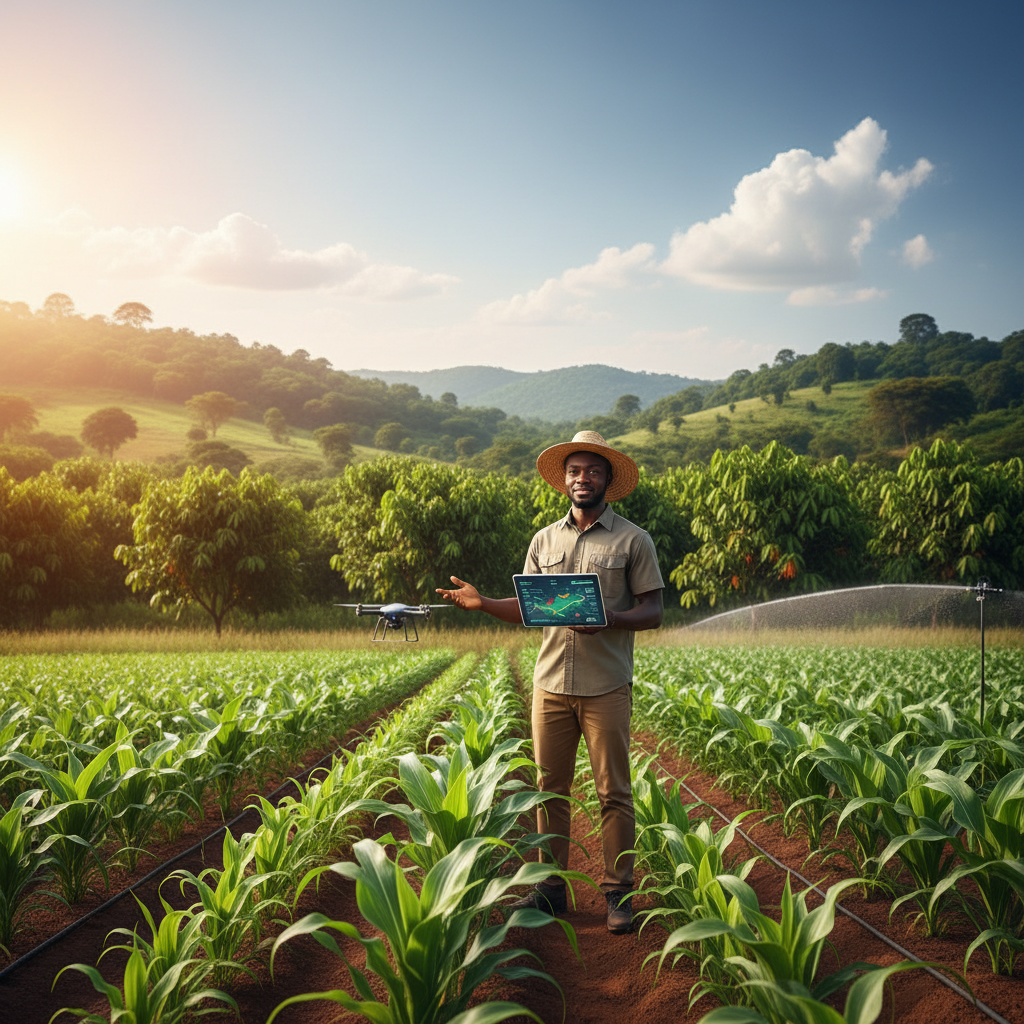
Drone technology is being deployed for crop surveillance, pest detection, and aerial spraying. Soil sensors measure moisture, pH levels, and nutrient content in real time, allowing farmers to make data-driven decisions about irrigation and fertilisation. Mobile apps like Esoko and Farmerline — both with roots in Ghana — connect farmers to market prices, agronomic advice, and financial services directly from their handsets.
Gido Agro Ltd leverages these technologies across its operations, ensuring that every decision — from planting schedules to harvest logistics — is backed by reliable data. The result is higher yields, lower input costs, and more predictable outcomes for farmers and investors.
2. Sustainable and Climate-Smart Farming Practices
Modern agriculture in Africa is not just about producing more — it is about producing smarter. Climate-smart agriculture (CSA) integrates three goals: increasing productivity, building resilience to climate shocks, and reducing greenhouse gas emissions.
In Ghana, this means:
- Conservation tillage, which reduces soil erosion and retains moisture in dry seasons
- Agroforestry systems, where trees are planted alongside crops to improve soil fertility and sequester carbon
- Integrated pest management (IPM), which reduces dependence on chemical pesticides
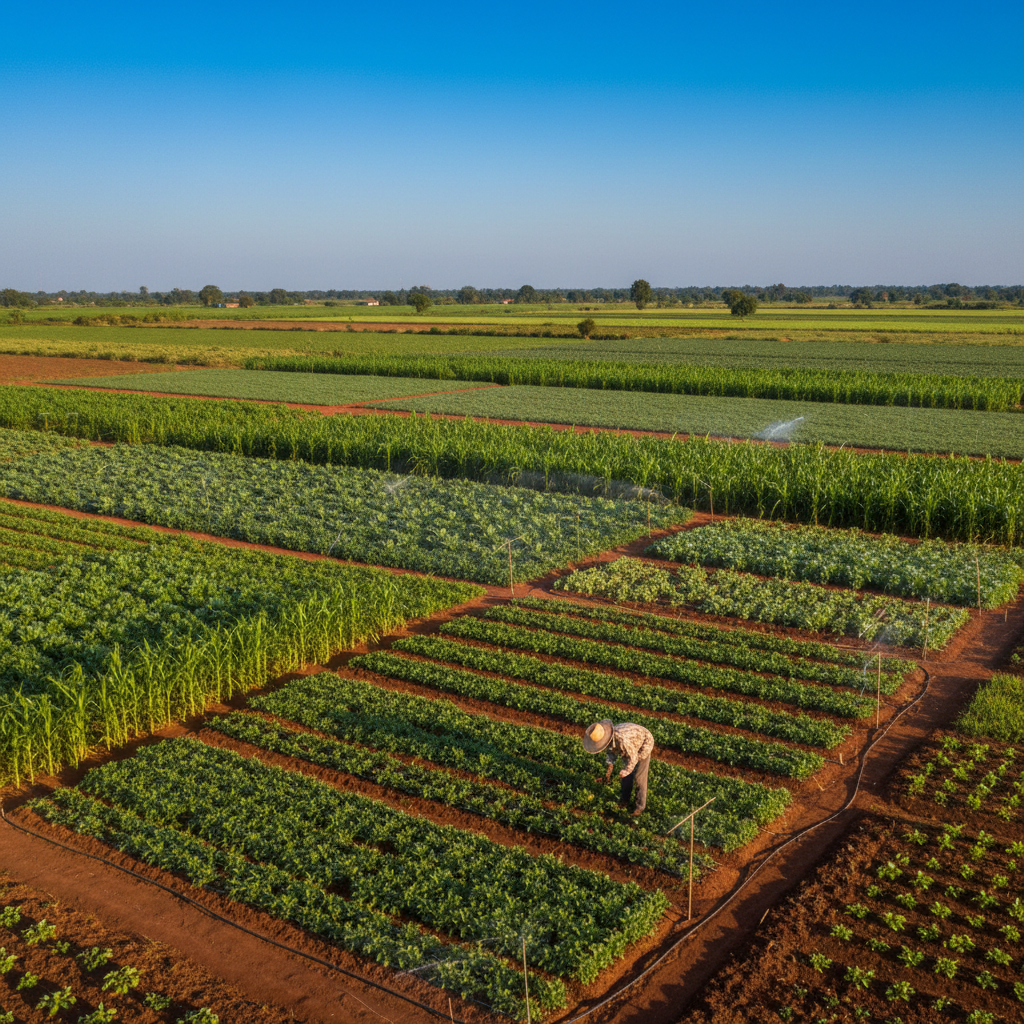
- Water-efficient irrigation, including drip irrigation systems that use up to 70% less water than traditional flood irrigation
These practices are not just environmentally responsible — they are economically smart. Farmers who adopt climate-smart methods often see lower input costs and more stable yields over time, even as weather patterns become more erratic.
3. Agro-Processing and Value Addition
One of the biggest missed opportunities in African agriculture has historically been post-harvest value addition. Raw commodities like cocoa, cassava, maize, and palm oil are often exported in their unprocessed form, meaning the economic value they generate leaves the continent.
Modern agriculture flips this model on its head. By investing in agro-processing — turning raw crops into finished or semi-finished products before export — African nations can capture a far greater share of the global food value chain.
Ghana's cocoa sector is a prime example. While the country produces roughly 20% of the world's cocoa, it has historically processed only a fraction domestically. That is now changing, with new processing facilities turning cocoa beans into butter, powder, and liquor for both export and domestic consumption. Similar opportunities exist across rice, cassava, soy, vegetables, and aquaculture.
Gido Agro Ltd is actively engaged in this space, developing supply chains that connect smallholder farmers to processing facilities and premium markets, both within Ghana and internationally.
4. Agricultural Finance and Market Access
Modern farming requires modern finance. Yet access to credit remains one of the most persistent barriers for African farmers. Traditional banks often view smallholder agriculture as too risky, leaving millions of farmers unable to afford quality inputs, equipment, or storage.
New models of agricultural finance are emerging to address this gap. Mobile money platforms, savings cooperatives, warehouse receipt systems, and impact investment funds are all channelling capital into farming communities that traditional banks overlooked. In Ghana, mobile money penetration is among the highest in sub-Saharan Africa, making digital financial services a natural pathway for agricultural lending.
Market access is equally important. Farmers who have no guaranteed buyers for their produce have little incentive to invest in improving yields. Contract farming arrangements, commodity exchanges, and aggregation models that consolidate produce from multiple smallholders all help to create the stable, transparent markets that modern agriculture depends on.
5. Youth Engagement and Agricultural Education
Perhaps the most important ingredient in Africa's agricultural transformation is its youth. The average age of an African farmer is estimated to be over 60 — a demographic reality that underscores the urgent need to attract younger generations into the sector.
Modern agriculture, with its emphasis on technology, entrepreneurship, and innovation, is helping to reframe farming as a viable and even exciting career path. Agricultural universities, vocational programmes, and youth-led agribusiness incubators are emerging across Ghana and the wider continent. Young Ghanaians are launching drone spraying businesses, organic vegetable farms supplying premium supermarkets, and digital platforms connecting rural producers to urban consumers.
This generational shift is not just necessary — it is already happening.
Gido Agro Ltd: Cultivating Ghana's Agricultural Future
At Gido Agro Ltd, a subsidiary of the GIDO Group Ltd, we believe that agriculture is not just an industry — it is the foundation of Ghana's economic sovereignty and food security. Our operations span crop production, agro-processing, and agricultural supply chain development, with a commitment to sustainable practices that benefit farmers, communities, and the environment.
We work hand-in-hand with smallholder farmers, providing access to quality inputs, training, and market linkages that enable them to compete in modern agricultural markets. We invest in technology that makes farming more precise and less wasteful. And we advocate for policies that support a thriving, inclusive agricultural sector across Ghana and Africa.
The transformation of African agriculture is not a distant dream — it is happening right now, in fields and processing facilities and boardrooms across the continent. Gido Agro Ltd is proud to be part of that story.
The Road Ahead: Challenges and Opportunities
For all its promise, modern agriculture in Africa still faces significant headwinds. Infrastructure gaps — poor roads, unreliable electricity, limited cold storage — add costs and complicate logistics. Fragmented land tenure systems make large-scale investment difficult. Inadequate extension services mean that many farmers never receive the knowledge they need to adopt new practices.
But every one of these challenges is also an opportunity. Better rural roads reduce post-harvest losses and connect farmers to markets. Solar-powered cold chain solutions bypass grid unreliability. Digital land registries are slowly but surely bringing clarity to property rights.
The trajectory is positive. International investment in African agribusiness reached record levels in recent years. Regional trade agreements under the African Continental Free Trade Area (AfCFTA) are opening new markets. And a growing African middle class is demanding higher-quality, more diverse food products — creating demand-side pull for agricultural modernisation.
Ghana, with its stable institutions, reform-minded agricultural policies, and entrepreneurial culture, is exceptionally well-positioned to ride this wave.
Conclusion: Africa's Agricultural Revolution Starts Here
Modern agriculture in Africa is not about replacing tradition — it is about empowering farmers with better tools, knowledge, and markets to do what they have always done, only more effectively. It is about turning Ghana's vast agricultural potential into shared prosperity. It is about building food systems that are productive, sustainable, and resilient enough to serve the next generation.
At Gido Agro Ltd, we are committed to being part of that transformation — every seed, every harvest, every step of the way.
Whether you are a farmer, an investor, a policy maker, or simply someone who cares about where your food comes from, the modern agriculture movement in Africa has a place for you. The revolution is already underway. The question is: will you be part of it?