Understanding Ghana's Downstream Petroleum Sector
When most people think about oil and gas in Ghana, their minds jump to offshore platforms in the Atlantic Ocean, giant tankers, and upstream exploration deals. But there is another side of the petroleum industry that touches every Ghanaian's daily life — the downstream sector. From the petrol that fills your car at dawn to the liquefied petroleum gas (LPG) that powers millions of Ghanaian kitchens, downstream petroleum is the beating heart of energy access in this country.
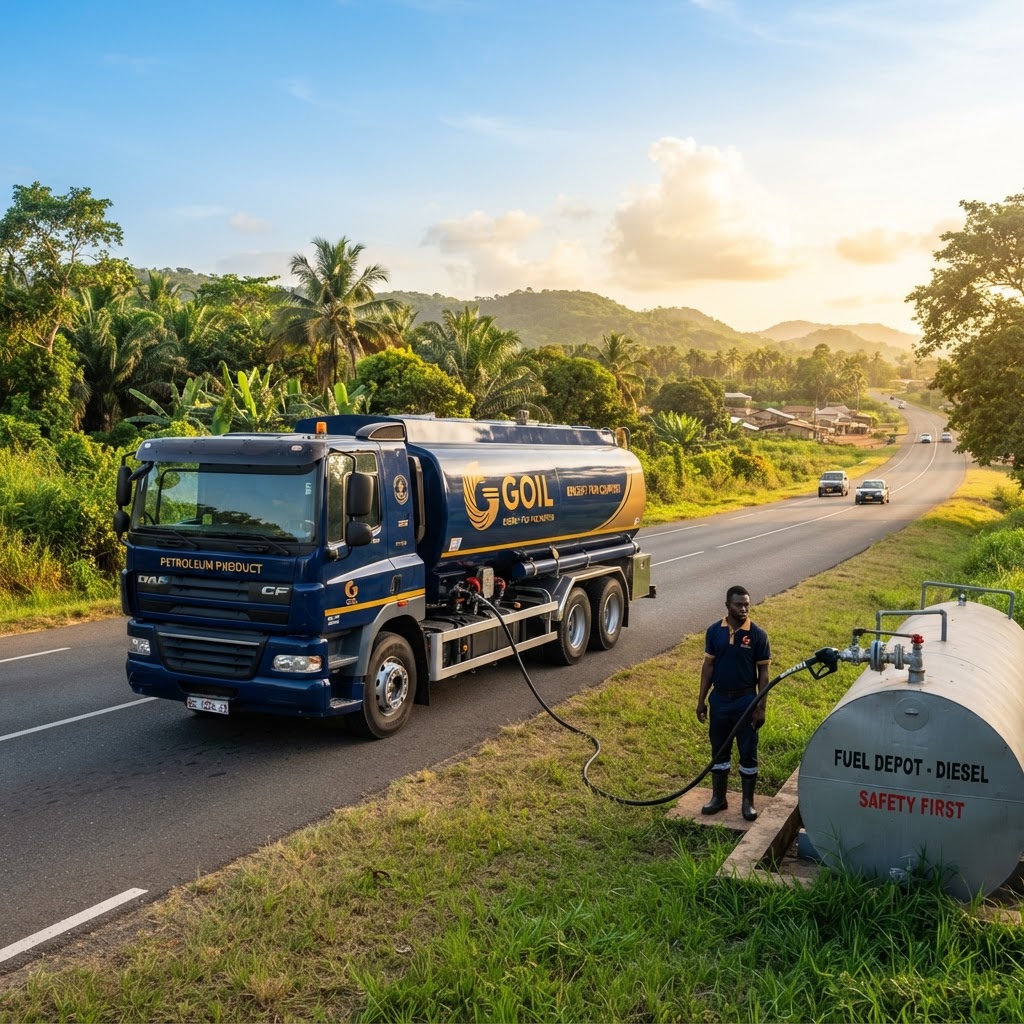
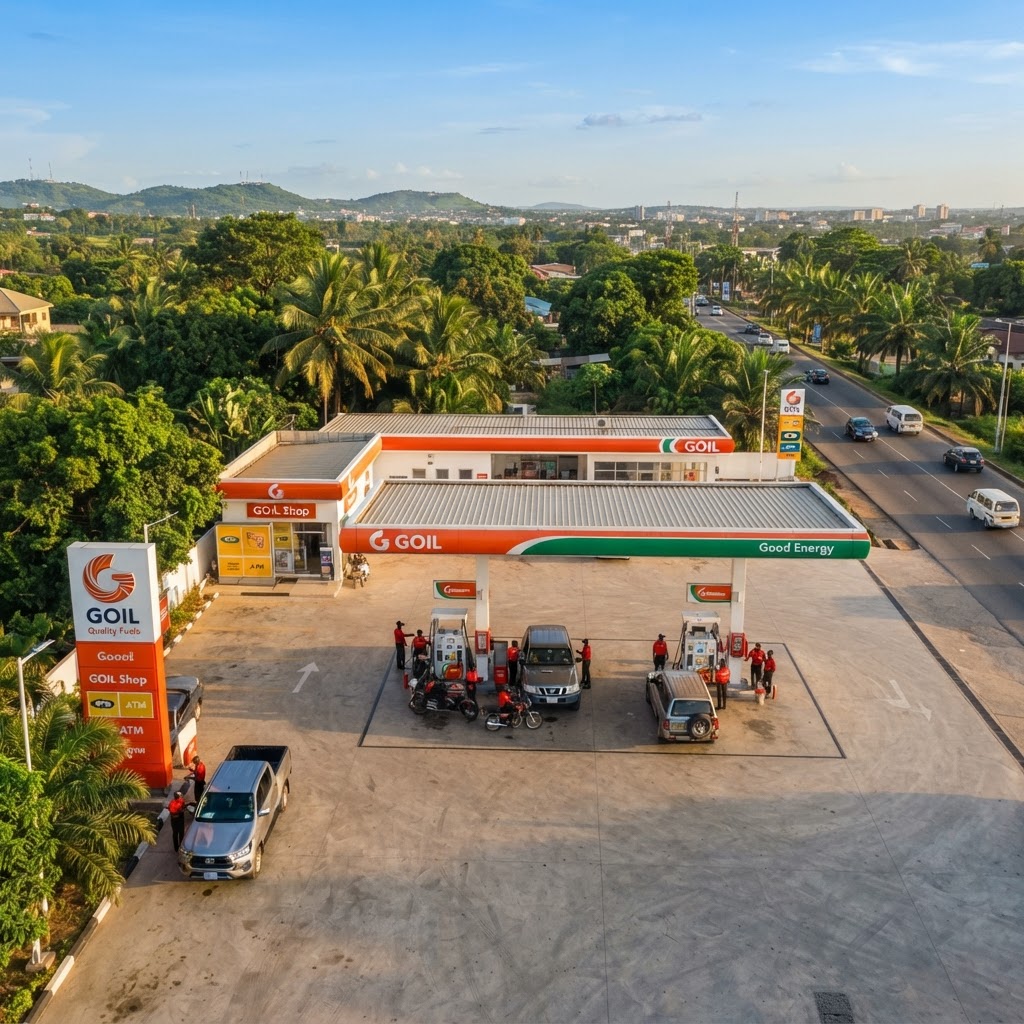
Ghana's downstream petroleum industry covers everything that happens after crude oil is refined — the importation, storage, distribution, marketing, and retail sale of petroleum products. It includes bulk distribution companies, oil marketing companies (OMCs), LPG distributors, and the thousands of filling stations scattered across the country from Accra to Tamale, and from Takoradi to Bolgatanga.
In recent years, the sector has seen significant transformation. Regulatory reforms, increased private sector participation, growing energy demand, and a push for cleaner fuels have all reshaped the landscape. For companies operating in this space — including Gido Oil Ltd, a subsidiary of GIDO Group Ltd — understanding the terrain is not just important, it is essential for sustainable growth.
The Structure of Ghana's Downstream Petroleum Industry
Key Players in the Value Chain
The downstream petroleum sector in Ghana operates through a layered value chain. At the top, you have the Tema Oil Refinery (TOR), which has historically processed crude oil for domestic consumption, though its operational capacity has faced well-documented challenges. Alongside TOR, petroleum products are also imported directly through the Tema Port by bulk distribution companies (BDCs).
Below the BDCs, oil marketing companies purchase products in bulk and distribute them to retail outlets — the filling stations that most consumers interact with daily. Embedded in this chain are storage and logistics providers, pipeline operators like the Volta River Authority's pipeline infrastructure, and cylinder filling plants for LPG.
The National Petroleum Authority (NPA) regulates the entire downstream sector, overseeing licensing, pricing guidelines, product quality standards, and consumer protection. The Ghana National Petroleum Corporation (GNPC) also plays a key commercial role, particularly in upstream matters that feed into downstream supply.
Products in the Downstream Market
The most widely traded petroleum products in Ghana's downstream market include:
- Premium Motor Spirit (PMS) — commonly known as petrol or gasoline
- Gasoil (Diesel) — the backbone of Ghana's transport and industrial sector
- Liquefied Petroleum Gas (LPG) — increasingly vital for household cooking
- Aviation Turbine Kerosene (ATK) — critical for Ghana's aviation growth
- Residual Fuel Oil — used in industrial processes and marine operations
- Bitumen — essential for Ghana's road construction sector
Each of these products has its own supply chain dynamics, pricing structure, and customer base. Mastering the distribution of even one of these products requires significant capital, logistics capability, and regulatory compliance.
Why the Downstream Sector Matters for Ghana's Economy
The petroleum downstream sector is not just a business — it is a critical pillar of Ghana's economic architecture. Consider the numbers: Ghana's population is growing, urbanisation is accelerating, and vehicle ownership is rising. The demand for fuel is not plateauing anytime soon.
According to the National Petroleum Authority, Ghana consumes hundreds of thousands of metric tonnes of petroleum products annually. This demand generates billions of Ghana Cedis in economic activity, supports hundreds of thousands of jobs — from truck drivers and pump attendants to engineers and logistics managers — and contributes meaningfully to government revenue through taxes, levies, and duties.
Beyond economic output, the downstream sector has a direct impact on food security, healthcare, and daily livelihoods. When fuel prices spike or supply chains are disrupted, the ripple effects are felt at the market, in the hospital, and on the farm. Energy security, therefore, is not a luxury concern — it is a matter of national resilience.
Opportunities in Ghana's Downstream Petroleum Market
Growing Domestic Demand
Ghana's economy continues to grow, and with growth comes energy appetite. The transport sector alone — matatus, freight trucks, taxis, private cars — consumes enormous volumes of diesel and petrol every single day. Industrial demand from construction, manufacturing, and agribusiness adds further pressure to the supply chain. For companies positioned in distribution and retail, this growing demand represents a real and sustained business opportunity.
LPG Penetration and Clean Cooking
One of the most compelling opportunities in Ghana's downstream market right now is LPG. The government's LPG promotion programme has been pushing for greater adoption of clean cooking fuels, moving households away from charcoal and wood. LPG penetration in Ghana still has significant room to grow, particularly in peri-urban and rural areas. Companies that can build reliable LPG distribution networks — including cylinder supply, filling, and retail — are well-placed to capitalise on this shift.
Infrastructure Development
Ghana needs more petroleum storage terminals, better pipeline connectivity, and modern retail stations that meet international safety standards. The government has consistently called for private sector investment in downstream infrastructure. For well-capitalised companies with the right technical expertise, this is fertile ground.
Digital Transformation
From fleet management systems to digital payment at pumps, technology is reshaping how petroleum products are distributed and sold. Companies that embrace digital tools — real-time inventory tracking, e-payment platforms, data analytics for demand forecasting — will gain competitive advantages in efficiency and customer experience.
Challenges Facing the Downstream Petroleum Sector in Ghana
Of course, no honest assessment of Ghana's downstream petroleum sector would be complete without acknowledging the very real challenges that companies navigate every day.
Price Regulation and Margins
The NPA uses a price build-up formula to guide fuel pricing at the pump. While this provides some predictability, it also means that downstream operators have limited flexibility to respond to sudden input cost changes, currency fluctuations, or global crude price shocks. Managing margins in this environment requires discipline and operational efficiency.
Foreign Exchange Pressures
Petroleum products are priced in US dollars on the global market. Ghana's Cedi has experienced periods of significant depreciation, which directly increases the cost of importing refined products. This foreign exchange exposure is one of the most persistent financial risks for downstream operators in Ghana.
Product Adulteration and Smuggling
Despite NPA's enforcement efforts, the market still grapples with adulterated fuel and cross-border smuggling — particularly when price differentials exist between Ghana and neighbouring countries. This creates unfair competition for legitimate operators and undermines consumer safety.
Infrastructure Gaps
Many parts of Ghana — especially in the north — still lack adequate retail infrastructure. The cost of building and maintaining filling stations in low-demand areas can be prohibitive, leaving communities underserved and creating logistical headaches for distributors.
The Regulatory Landscape: NPA and Beyond
The National Petroleum Authority remains the central regulatory body for Ghana's downstream petroleum industry. Its mandate includes licensing of all downstream operators, monitoring of product quality, enforcement of pricing guidelines, and consumer protection.
In recent years, the NPA has made commendable strides in improving transparency and efficiency. The introduction of the Unified Petroleum Price Fund (UPPF) helps moderate price differences across regions, ensuring that a driver in Wa does not pay dramatically more than one in Accra.
For companies like Gido Oil Ltd, operating in compliance with NPA regulations is not just a legal obligation — it is a statement of commitment to professionalism and public trust. In an industry where reputation matters enormously, regulatory compliance is a competitive advantage.
Gido Oil Ltd: Contributing to Ghana's Energy Access Story
As a subsidiary of GIDO Group Ltd, Gido Oil Ltd operates with a clear understanding that the downstream petroleum business in Ghana is about more than profit margins. It is about ensuring that Ghanaians — wherever they are — have reliable access to quality petroleum products.
Gido Oil Ltd brings to the table a commitment to safe operations, transparent business practices, and community-conscious service delivery. In a sector that directly impacts the lives of millions of people, that kind of values-driven approach is not just admirable — it is necessary.
The company's positioning within the broader GIDO Group ecosystem also provides strategic advantages: diversified resources, cross-sector expertise, and a long-term development perspective that goes beyond short-term market cycles.
The Future of Downstream Petroleum in Ghana
Looking ahead, Ghana's downstream petroleum sector will be shaped by several converging trends. The global energy transition is slowly making its presence felt, with conversations about electric vehicles and renewable energy becoming more mainstream. However, the reality on the ground in Ghana — and across much of Africa — is that petroleum products will remain the dominant energy source for transportation and industry for the foreseeable future.
The opportunity is to build a downstream sector that is efficient, transparent, environmentally responsible, and genuinely accessible to all Ghanaians. That means continued investment in infrastructure, stronger regulatory enforcement, technological innovation, and companies that take their social responsibility seriously.
For businesses, investors, and policymakers paying attention, Ghana's downstream petroleum sector represents one of the most dynamic and consequential spaces in the country's economy. The decisions made today will shape how millions of Ghanaians access energy for decades to come.
Final Thoughts
Ghana's downstream petroleum industry is at an inflection point — challenged by economic pressures and global energy shifts on one side, yet buoyed by growing domestic demand, investment opportunities, and a maturing regulatory environment on the other. For companies with the right combination of expertise, capital, and commitment, the sector offers compelling possibilities.
At Gido Oil Ltd, we believe that being part of Ghana's energy story is a privilege and a responsibility. As we continue to grow and serve communities across the country, our focus remains on delivering quality, reliability, and value — not just to our customers, but to Ghana as a whole.