Why Oil and Gas Investment in Ghana Deserves Your Attention
Ghana has quietly but steadily positioned itself as one of West Africa's most attractive destinations for oil and gas investment. Since the discovery of the Jubilee Field in 2007 — one of the most significant offshore oil finds in sub-Saharan Africa in decades — the country has never looked back. Today, Ghana's petroleum sector contributes substantially to national GDP, employs thousands of people directly and indirectly, and continues to attract international capital from investors who understand the long-term value of Africa's energy story.
But beyond the headlines and the big offshore drilling operations, there is an equally compelling case for investment at every level of Ghana's oil and gas value chain. Whether you are an institutional investor, a local entrepreneur, or an individual looking to diversify your portfolio, understanding how oil and gas investment works in Ghana — and what Gido Oil Ltd offers within that landscape — is the first step toward making informed, strategic decisions.
In this guide, we break down the investment landscape, explore the real opportunities available today, discuss the risks you should honestly account for, and explain why partnering with an established, locally rooted company like Gido Oil Ltd gives you a meaningful edge.
The State of Ghana's Oil and Gas Sector
A Brief History of Ghana's Petroleum Journey
Ghana's oil story is relatively young but deeply impactful. Commercial oil production began in 2010 following the Jubilee Field discovery, and the country quickly joined the ranks of African oil-producing nations. Since then, additional fields — including the TEN (Tweneboa, Enyenra, and Ntomme) field and the Sankofa Gye Nyame field — have come online, steadily boosting the country's production capacity.
The Ghana National Petroleum Corporation (GNPC) plays a central role in overseeing the sector, working alongside international oil companies and local operators to ensure that national interests are protected while creating space for private sector participation. This balanced regulatory environment has been one of Ghana's key selling points for foreign and local investors alike.
Current Production and Market Dynamics
Ghana currently produces hundreds of thousands of barrels of crude oil per day, and the country's natural gas resources are equally significant. The gas sector, in particular, is attracting growing investor interest as Ghana pushes to reduce power generation costs and meet industrial energy demands. The domestic downstream petroleum market — covering petroleum product distribution, storage, and retail — is also growing rapidly, driven by a rising population, expanding middle class, and increasing vehicle ownership.
This combination of upstream exploration activity and downstream market growth creates multiple investment entry points across the oil and gas value chain.
Key Investment Opportunities in Ghana's Oil and Gas Sector
Upstream Exploration and Production
Upstream investment involves the exploration, drilling, and extraction of crude oil and natural gas. This segment carries the highest risk but also offers the highest potential returns. International oil majors dominate Ghana's deep-water upstream space, but there are growing opportunities for local participation through joint ventures, farm-in arrangements, and partnerships with companies that already hold operating licenses.
For investors interested in upstream exposure, the key is aligning with operators who have strong technical expertise, regulatory relationships, and a proven track record on Ghanaian soil.
Midstream Infrastructure
Midstream investment covers the transportation, storage, and processing of petroleum products. Ghana's pipeline infrastructure, storage terminals, and LPG handling facilities represent significant investment gaps — and therefore significant opportunities. The government has actively encouraged private investment in midstream infrastructure, recognizing that bottlenecks at this stage of the value chain increase costs for everyone downstream.
Investors with capital to deploy in storage depots, product terminals, or pipeline development can benefit from long-term offtake agreements and relatively stable revenue streams compared to upstream activities.
Downstream Distribution and Retail
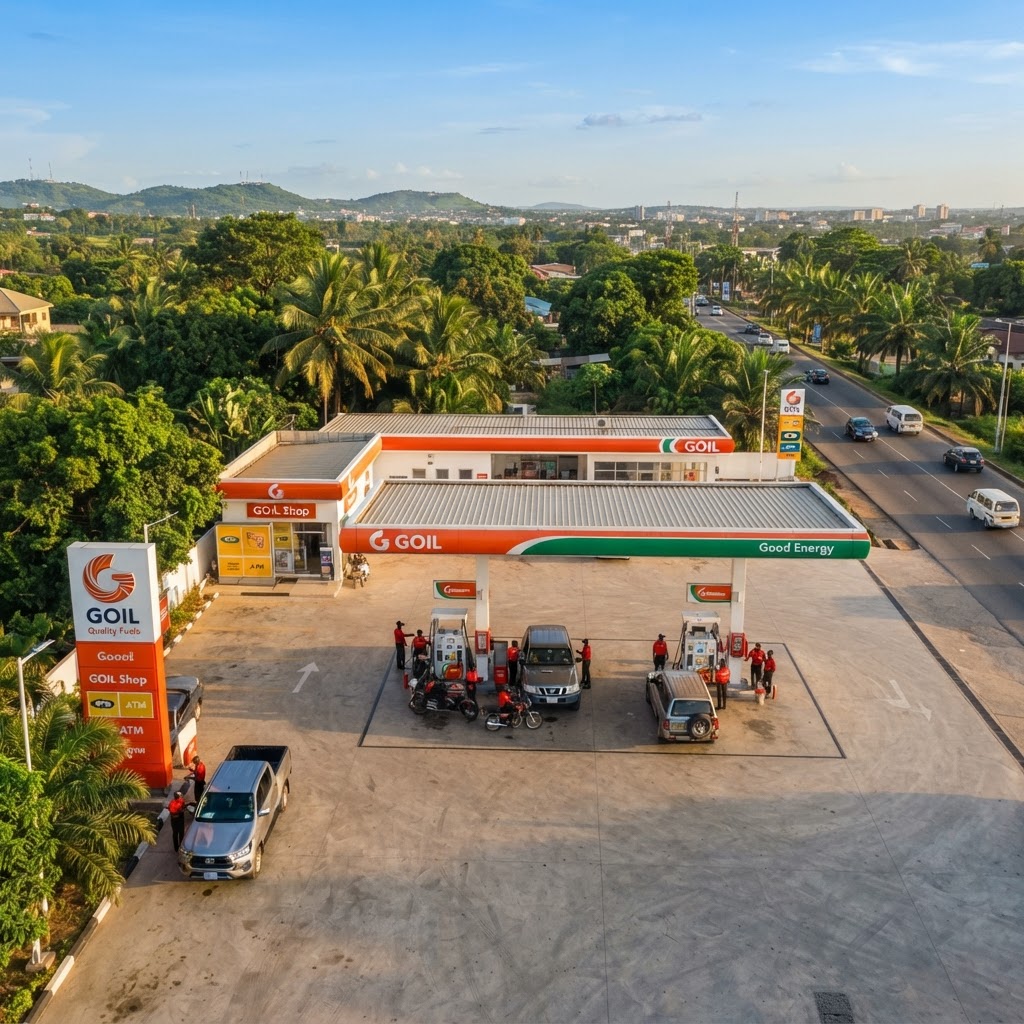
The downstream sector — fuel stations, LPG distribution, lubricants, and petroleum product trading — is where most local investors and entrepreneurs find their entry point into oil and gas investment in Ghana. This segment is more accessible, less capital-intensive than upstream operations, and benefits directly from everyday consumer demand.
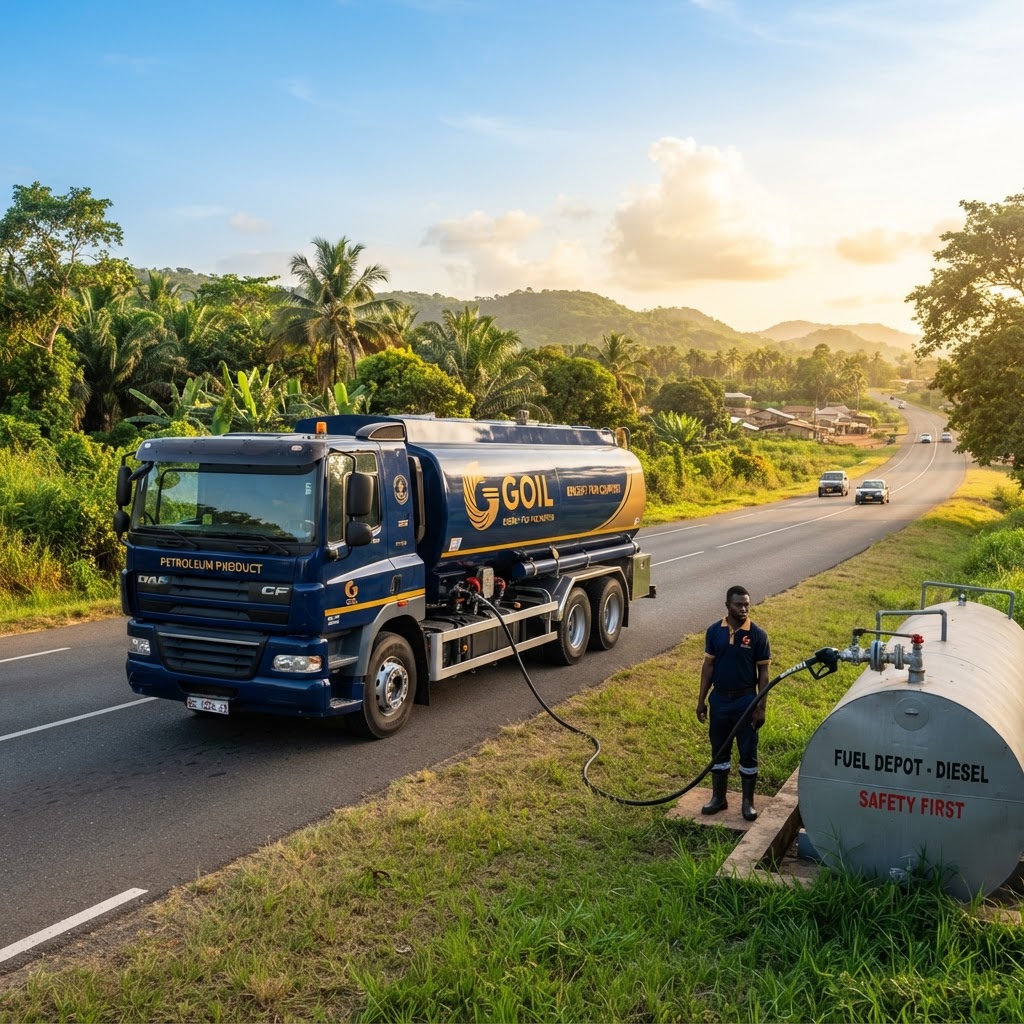
Gido Oil Ltd operates meaningfully in this space, providing a model for how locally owned and operated downstream businesses can be both commercially viable and socially impactful. From petroleum product distribution to LPG supply and energy service delivery, the downstream sector in Ghana continues to grow alongside the country's economic development.
Gas-to-Power and Clean Energy Transitions
One of the most exciting emerging opportunities in Ghana's energy landscape is the intersection of natural gas and power generation. Ghana has been investing in gas-powered electricity plants to address its persistent energy supply challenges. For investors, this creates opportunities in gas supply agreements, power purchase arrangements, and hybrid energy solutions that combine gas with renewables.
This is also where the global energy transition narrative intersects with African realities. While Ghana is not abandoning fossil fuels anytime soon — nor should it, given its development needs — smart investors are positioning themselves in ventures that bridge conventional energy infrastructure with cleaner alternatives.
Understanding the Risks of Oil and Gas Investment
No honest investment guide would be complete without a frank discussion of risk. Oil and gas investment in Ghana, like anywhere else in the world, carries real risks that investors must evaluate carefully.
Price Volatility
Crude oil prices are determined by global supply and demand dynamics, geopolitical events, and the policy decisions of major producing blocs like OPEC. This means that even the best-managed oil investment can face headwinds when global prices fall sharply — as they did during the COVID-19 pandemic in 2020. Investors need to build price volatility scenarios into their financial planning.
Regulatory and Policy Risk
Ghana has generally maintained a stable and investor-friendly regulatory environment, but policy changes — including shifts in fiscal terms, local content requirements, or environmental regulations — can affect investment returns. Staying informed and working with operators who have strong regulatory relationships helps mitigate this risk.
Operational and Environmental Risk
Drilling, transportation, and storage all carry operational risks, including equipment failures, accidents, and environmental incidents. These risks are manageable with the right safety systems and operational standards in place, but they are real and must be factored into any investment calculus.
Currency and Macro Risk
Ghana's economy, like many African economies, is subject to currency fluctuations and macroeconomic pressures. Oil revenues are typically denominated in US dollars, which provides some natural hedge, but investors operating in the local downstream market need to account for cedi exposure carefully.
Why Partner With Gido Oil Ltd for Your Energy Investment Journey
Gido Oil Ltd, a subsidiary of GIDO Group Ltd, brings something valuable to every investor conversation: deep local knowledge, established operational presence, and a commitment to building sustainable energy businesses in Ghana and across Africa.
We understand the Ghanaian market not just from boardrooms and financial models, but from years of on-the-ground experience navigating the regulatory landscape, building supply chain relationships, and serving communities that depend on reliable energy access. This combination of commercial expertise and local insight is what sets Gido Oil Ltd apart as a partner for oil and gas investment.
Whether you are exploring opportunities in petroleum product distribution, LPG supply, energy infrastructure, or broader downstream investment, Gido Oil Ltd offers a platform that combines credibility, experience, and a genuine understanding of what it takes to build lasting value in Ghana's energy sector.
Smart Strategies for Oil and Gas Investors in Ghana
Do Your Due Diligence
Before committing capital to any oil and gas venture in Ghana, conduct thorough due diligence. This means reviewing the regulatory standing of your target company, understanding the specific segment of the value chain you are entering, and getting independent legal and financial advice.
Think Long-Term
Oil and gas investment in emerging markets like Ghana rewards patience. Short-term price movements and temporary regulatory uncertainties should not derail a well-reasoned long-term investment thesis built on Ghana's genuine energy demand fundamentals.
Prioritize Local Content and Community Impact
Ghana's Petroleum (Local Content and Local Participation) Regulations are not just legal requirements — they reflect a real and important national aspiration to ensure that oil and gas investment benefits Ghanaian communities and businesses. Investors who genuinely embrace local content, beyond box-ticking compliance, tend to build more durable, trusted, and ultimately more profitable operations.
Diversify Across the Value Chain
Rather than concentrating exposure in one segment of the oil and gas value chain, sophisticated investors consider diversifying across upstream, midstream, and downstream activities to balance risk and return profiles.
The Future of Oil and Gas Investment in Africa
Africa's energy story is still being written. With some of the world's largest untapped hydrocarbon reserves, rapidly growing urban populations, and rising energy demand across the continent, the long-term investment case for African oil and gas remains compelling — even as the global energy transition accelerates.
Ghana, with its stable democracy, established petroleum infrastructure, growing domestic market, and improving business environment, sits at the heart of this story. For investors willing to engage thoughtfully, manage risk intelligently, and build genuine partnerships with local operators like Gido Oil Ltd, the opportunities are real, substantial, and enduring.
At Gido Oil Ltd, we are not just observers of Ghana's energy future — we are active participants in building it. We invite serious investors to explore what partnership with us looks like, and to be part of an energy investment journey that creates value not just for shareholders, but for Ghana and Africa as a whole.
Ready to explore oil and gas investment opportunities with Gido Oil Ltd? Contact our team today and let's start the conversation.