The Lifeblood of a Growing Economy: Understanding Petroleum Distribution in Ghana
Imagine waking up in Accra on a Monday morning. Your generator kicks in, your car starts, and the factory down the road begins its daily operations — all powered by one thing: fuel. Petroleum products are so deeply woven into daily life across Ghana and the wider African continent that it's easy to forget the enormous, complex system working behind the scenes to make that possible.
Petroleum distribution is not just about trucks moving fuel from one place to another. It is a sophisticated, highly regulated, and economically significant chain of activities that connects refineries and import terminals to the end consumer. For a country like Ghana — one of West Africa's most dynamic economies — getting this chain right is not optional. It's essential.
At Gido Oil Ltd, a key subsidiary of GIDO Group Ltd, we operate at the heart of this chain. Our mission is simple: to deliver petroleum products safely, reliably, and efficiently to the people and businesses that depend on them. In this article, we break down how petroleum distribution works, why it matters, and how Gido Oil is shaping the future of energy distribution in Ghana.
What Is Petroleum Distribution?
Petroleum distribution refers to the entire process of moving refined petroleum products — such as petrol (gasoline), diesel, kerosene, and liquefied petroleum gas (LPG) — from refineries or import terminals to end users. These end users range from individual households and small businesses to large industrial facilities, transport fleets, and agricultural operations.
The distribution chain typically involves several key stages:
1. Importation and Primary Supply
Ghana imports a significant portion of its refined petroleum products. Once crude oil or refined products arrive at the Tema Oil Refinery (TOR) or are offloaded at bulk storage terminals, primary suppliers take over. These are licensed companies authorized by the National Petroleum Authority (NPA) of Ghana to receive, store, and distribute bulk fuel.
2. Bulk Storage and Depot Management
From the terminals, petroleum products move into bulk storage depots. These depots act as the central hub of the distribution network. Proper depot management ensures product quality is maintained, accurate measurement takes place, and safety standards are upheld. This stage is critical because any contamination or measurement error here affects everything downstream.
3. Secondary Distribution — Bridging the Gap
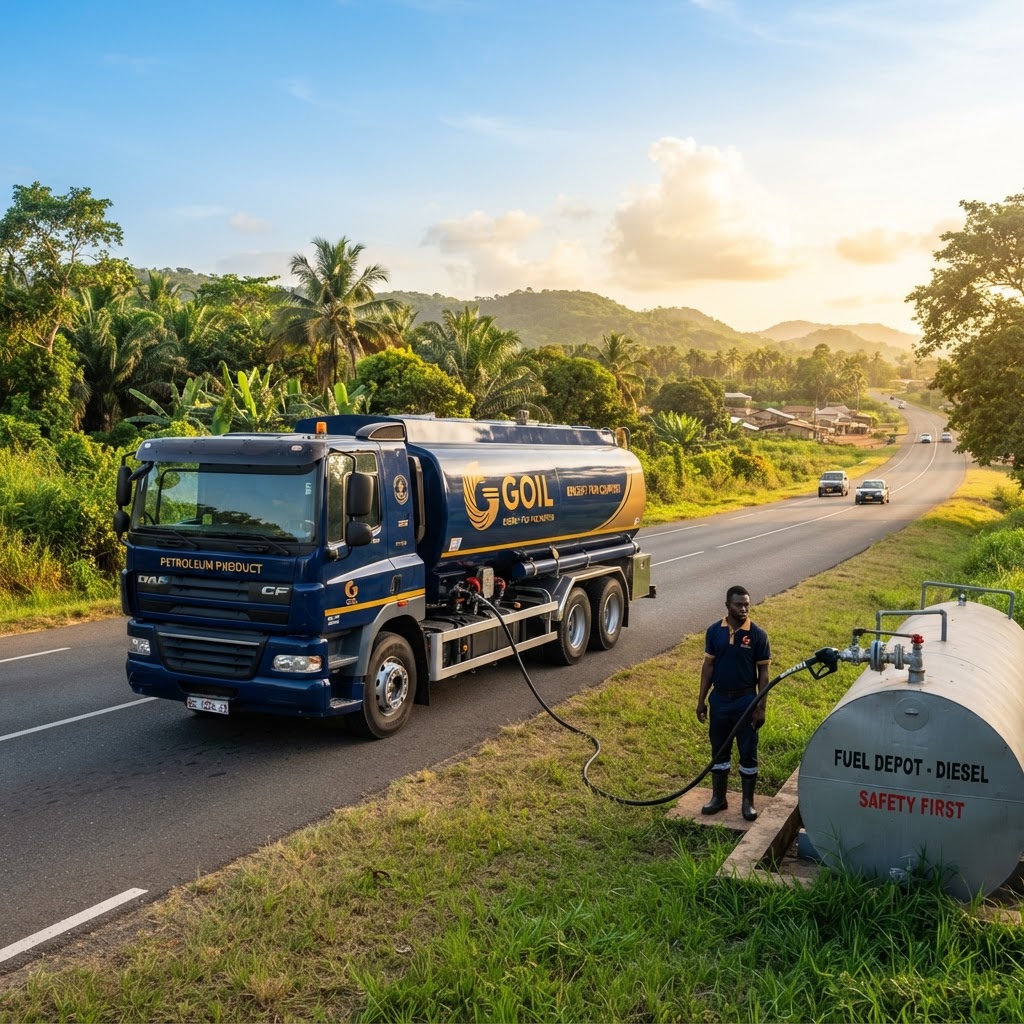
This is where companies like Gido Oil Ltd play a pivotal role. Secondary distributors transport fuel from bulk depots to filling stations, industrial clients, and off-road customers using tanker trucks and specialized logistics systems. This stage requires precision, safety compliance, and local knowledge — all areas where our team excels.
4. Retail and End-User Delivery
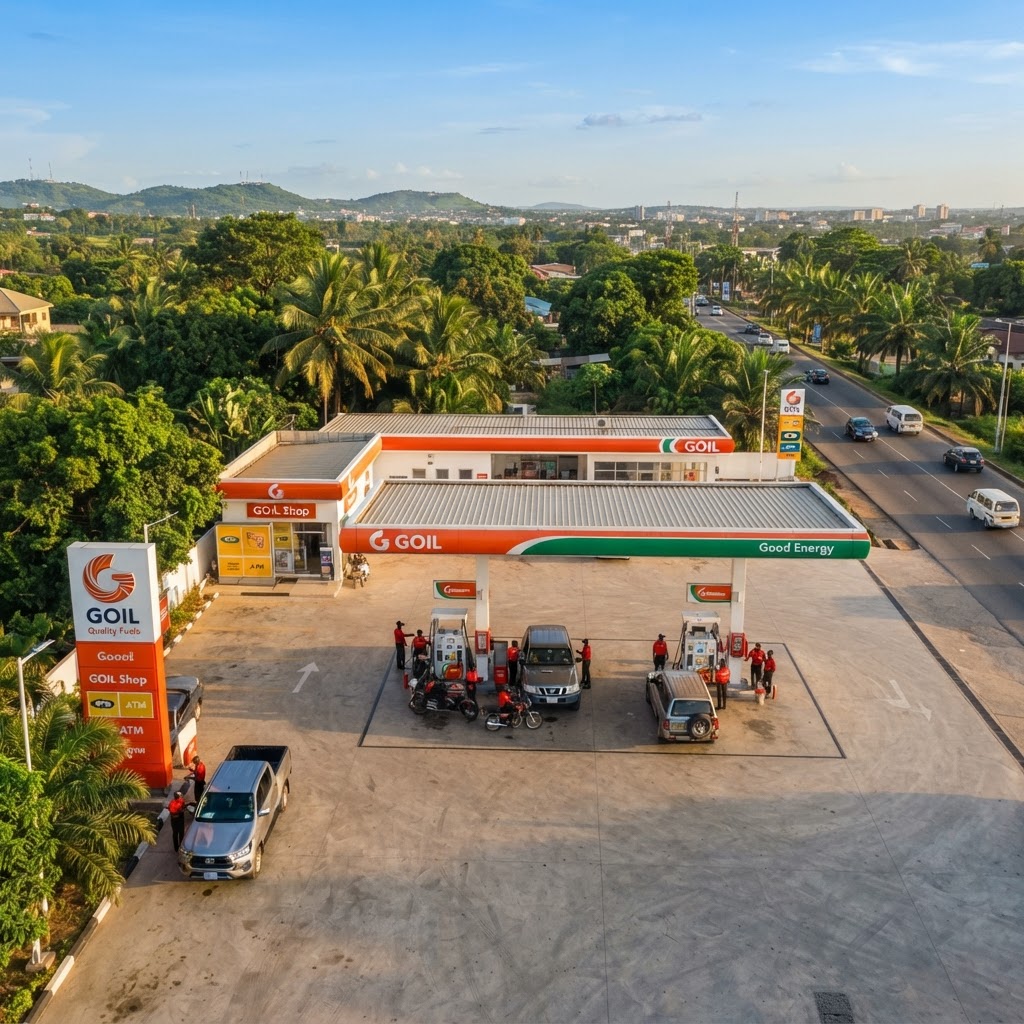
Fuel reaches the end user either through filling stations or direct delivery to businesses such as mining companies, construction firms, hospitals, hotels, and agricultural enterprises. The reliability and efficiency of this final mile determines whether a business runs smoothly or comes to a grinding halt.
Why Petroleum Distribution Matters for Ghana's Development
You cannot separate energy access from economic growth. In Ghana, sectors like agriculture, construction, transportation, manufacturing, and telecommunications all run on petroleum products. When distribution networks fail — due to logistics breakdowns, pricing irregularities, or supply chain disruptions — the economic impact is felt across every corner of society.
Fueling Agriculture and Food Security
Ghana's agricultural sector, which employs a large share of the rural population, depends heavily on diesel-powered irrigation systems, tractors, and post-harvest processing machines. Reliable fuel distribution to rural and peri-urban areas directly supports food production and helps reduce dependence on imported food.
Powering Transportation and Logistics
The transport sector is perhaps the most visible consumer of petroleum products. From trotros and taxis in Accra to long-haul trucks on the Accra-Kumasi highway, the entire movement of goods and people across Ghana depends on a steady, affordable fuel supply. Any disruption in distribution cascades quickly into higher transport costs and economic slowdowns.
Supporting Industrial Growth
Mining, cement production, manufacturing, and construction — sectors that are driving Ghana's GDP growth — are significant consumers of diesel and other petroleum products. Reliable industrial fuel supply is not a luxury; it is a prerequisite for competitiveness.
Enabling Energy Access in Underserved Communities
For communities not yet fully integrated into the national electricity grid, LPG and kerosene remain critical energy sources for cooking and lighting. Expanding the distribution network to reach these communities is both a business opportunity and a social responsibility — one that Gido Oil takes seriously.
Challenges in Petroleum Distribution Across Africa
Distributing petroleum across Ghana and sub-Saharan Africa is not without its hurdles. Understanding these challenges is the first step toward solving them.
Infrastructure Deficits
Poor road networks, especially in northern Ghana and rural areas, make last-mile distribution expensive and logistically challenging. Tanker trucks face wear and tear, increased delivery times, and higher operating costs when navigating unpaved or poorly maintained roads.
Regulatory Complexity
The downstream petroleum sector in Ghana is governed by the National Petroleum Authority (NPA), and compliance with pricing, licensing, and safety regulations requires significant administrative capacity. Smaller distributors often struggle to keep up, which creates market inefficiencies.
Product Adulteration and Fuel Quality
Fuel adulteration remains a concern across parts of Africa. When unscrupulous actors dilute petroleum products to increase margins, end users suffer vehicle damage, reduced engine performance, and safety risks. This makes it critical to work with reputable, licensed distributors who maintain strict quality controls.
Foreign Exchange and Pricing Volatility
Because Ghana imports a large portion of its refined fuel, the sector is exposed to global oil price fluctuations and local currency depreciation. Managing these price risks while keeping fuel accessible to consumers requires both financial discipline and strategic procurement.
How Gido Oil Ltd Is Raising the Standard
Gido Oil Ltd was established with a clear understanding of these challenges — and a firm commitment to solving them. As part of the GIDO Group Ltd, a diversified Ghanaian conglomerate, we bring the financial strength, operational expertise, and local market knowledge needed to deliver petroleum products at scale and with integrity.
A Safety-First Approach
Safety is non-negotiable in petroleum distribution. Our fleet of tanker trucks meets rigorous safety standards, our drivers receive regular training in hazardous materials handling, and our depot operations follow international best practices. We don't cut corners on safety — because the cost of an incident is far greater than the cost of prevention.
Technology-Driven Logistics
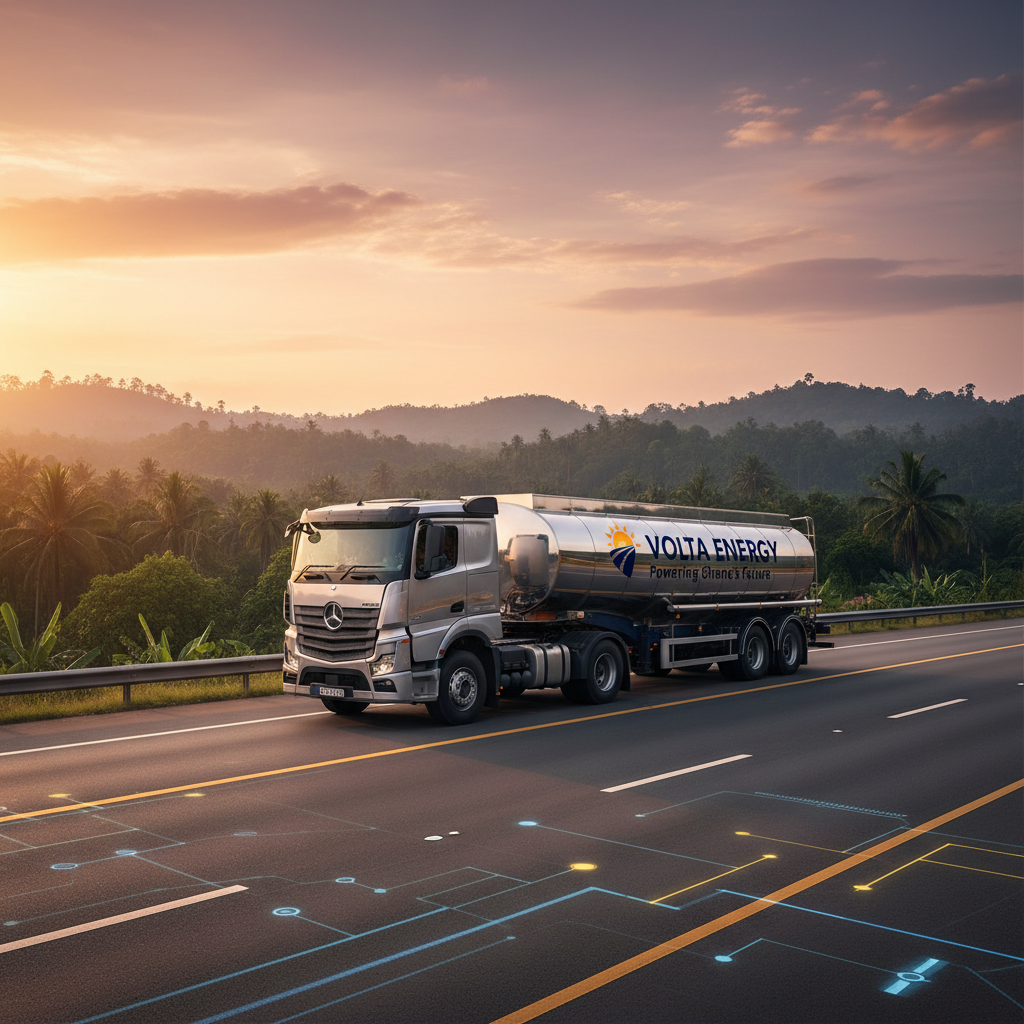
Gido Oil leverages modern fleet management and tracking systems to monitor deliveries in real time, optimize routing, and reduce turnaround times. This means our clients receive consistent, timely deliveries — even during periods of high demand.
Serving Diverse Markets
From filling stations in Accra to mining operations in the Western Region and agricultural enterprises in the Brong-Ahafo Region, Gido Oil serves a wide range of clients. Our distribution network is built to reach both urban centers and underserved communities, ensuring no corner of Ghana is left behind.
Building Long-Term Partnerships
We believe in relationships, not just transactions. Our team works closely with clients to understand their fuel needs, forecast consumption, and develop supply agreements that offer pricing stability and operational confidence. When you work with Gido Oil, you gain a partner who is invested in your success.
The Future of Petroleum Distribution in Ghana
The energy landscape in Ghana is evolving. Renewable energy is growing, electric vehicles are beginning to make inroads, and the government is actively pursuing energy diversification. But the reality on the ground tells a clear story: petroleum products will remain central to Ghana's energy mix for decades to come.
The question is not whether petroleum distribution matters — it's who will do it better, safer, and more sustainably. At Gido Oil Ltd, we are already preparing for that future. We are investing in cleaner logistics practices, exploring LPG expansion to rural communities, and aligning our operations with Ghana's national energy goals.
As Africa's economies continue to grow and urbanize, the demand for reliable petroleum distribution will only increase. Countries like Nigeria, Côte d'Ivoire, Senegal, and Tanzania are all seeing rising energy consumption. For a company with the infrastructure, expertise, and commitment of Gido Oil, the opportunity to expand and serve the broader African market is both exciting and attainable.
Partner With Gido Oil Ltd for Reliable Petroleum Supply
Whether you are a filling station operator, an industrial facility, a mining company, or an agribusiness looking for a dependable fuel partner in Ghana, Gido Oil Ltd is ready to serve you. We combine the resources of a large conglomerate with the responsiveness of a locally rooted business — a combination that makes a real difference in how we serve our clients.
Reach out to us today to discuss your petroleum distribution needs. Because when your operations run on reliable fuel, your business runs on success.